
Subscribe for handpicked DIY projects, exclusive tips, and giveaways.
We care about your data in our privacy policy.


 Garden

 Camping & RV
 Farming

 Reviews


 Lights
 Pool
Pool

 Systems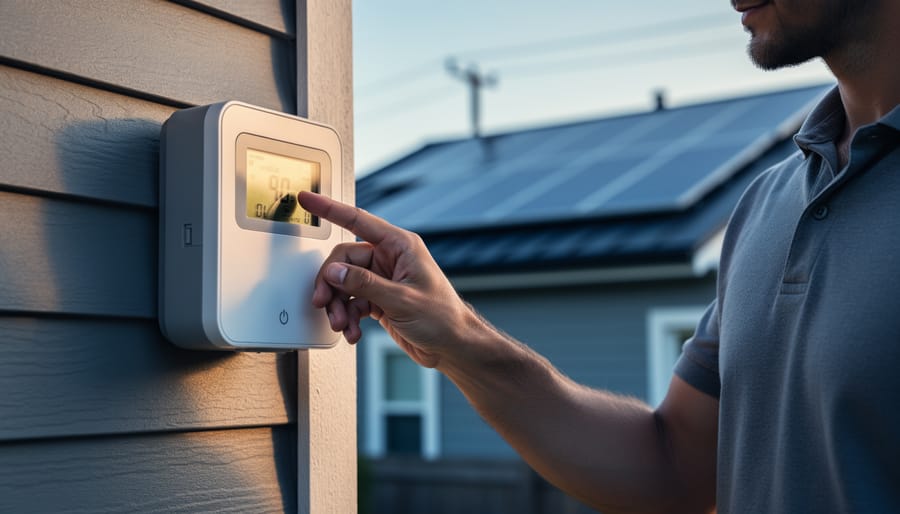
 Attic
Attic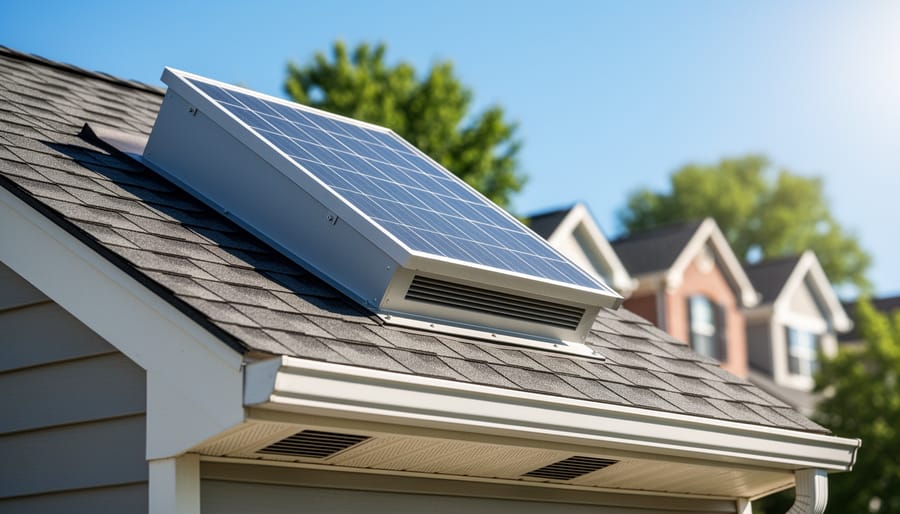
 Generators


Recent Posts
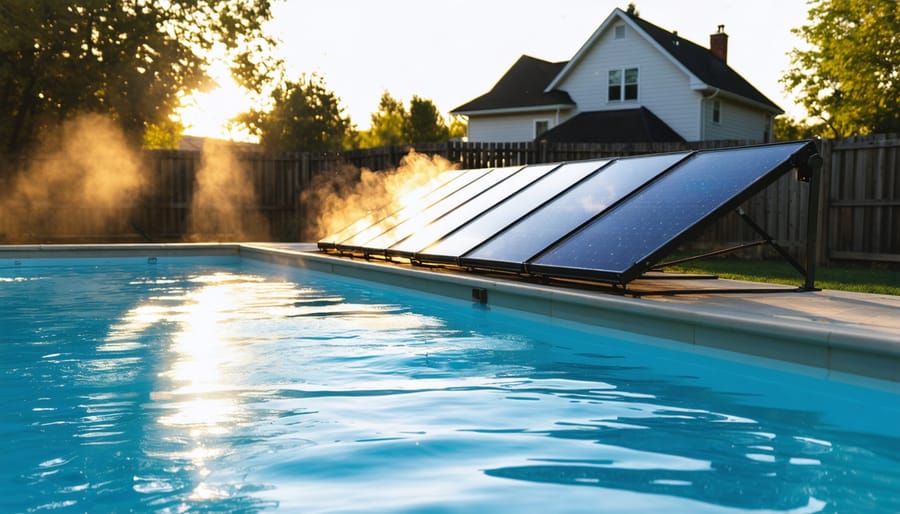
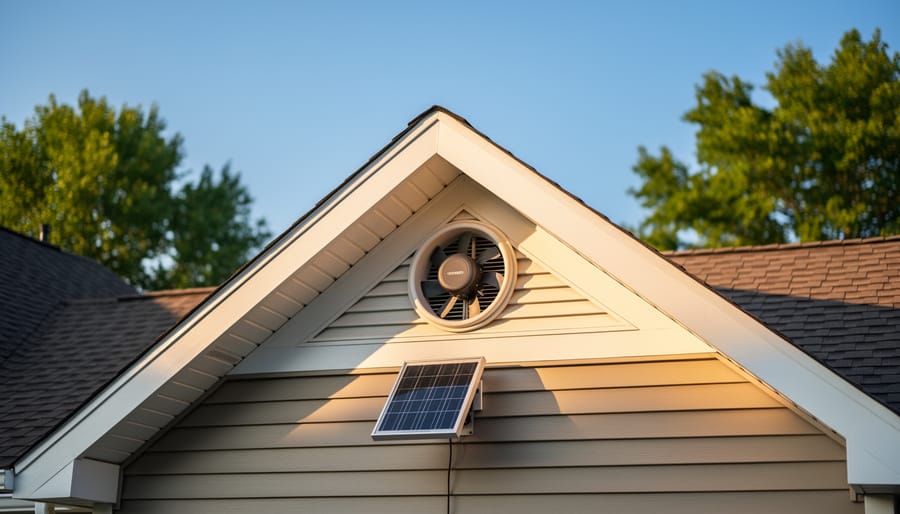
Install solar-powered attic fans on south-facing roof sections where they’ll capture 6-8 hours of direct sunlight daily, positioning them between rafters near the roof peak for maximum hot air extraction. These systems work without touching your electrical panel, pulling superheated air out before it radiates down into your living space and forces your air conditioner…
Look at your solar meter display right now and locate the kWh reading—this number tells you exactly how much electricity your panels have generated since installation, and if it’s climbing daily, your system is working. Check whether your meter’s digital arrows or symbols are moving forward (you’re using solar power or sending it to the…
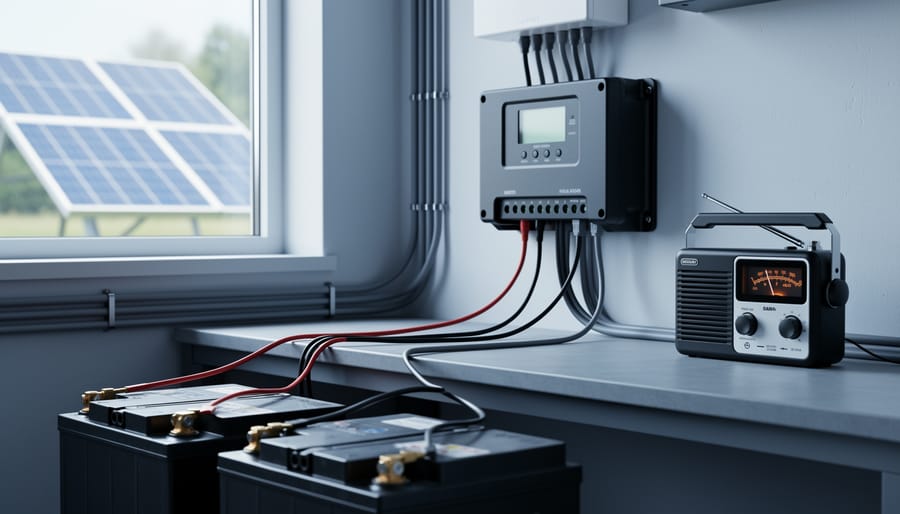
You’ve just installed your new solar charge controller, everything looks perfect—then your AM radio erupts into a symphony of static, your neighbor complains about interference on their baby monitor, or your wireless weather station starts reporting gibberish. Welcome to the frustrating world of electromagnetic interference, where your clean energy dreams collide with invisible electronic noise.…
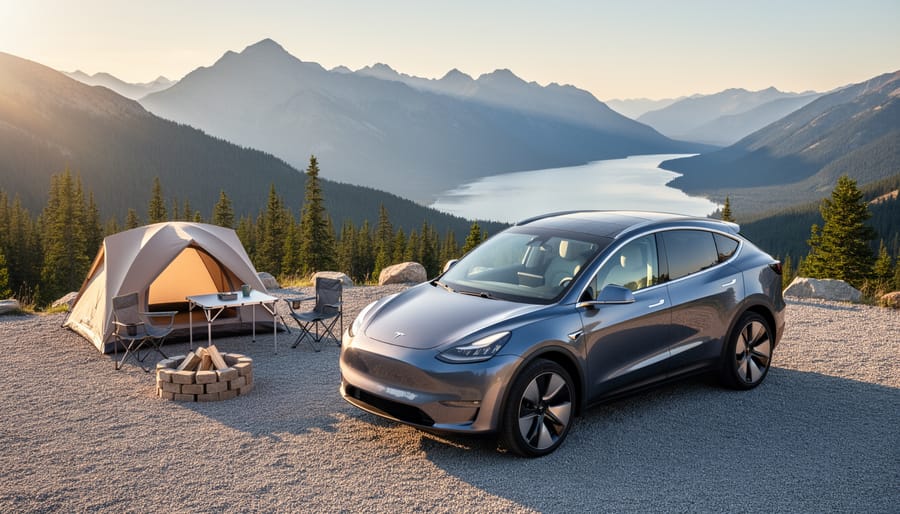
Picture yourself pulling into a campsite after hours on the road, your electric vehicle’s battery sitting at 40%, and the nearest charging station is twenty miles back. Now imagine your EV quietly replenishing its own power from panels mounted right on the roof while you set up camp. This isn’t science fiction anymore—it’s the reality…
Picture yourself pulling into a campsite after hours on the road, your electric vehicle’s battery sitting at 40%, and the nearest charging station is twenty miles back. Now imagine your EV quietly replenishing its own power from panels mounted right on the roof while you set up camp. This isn’t science fiction anymore—it’s the reality…
Picture yourself pulling into a campsite after hours on the road, your electric vehicle’s battery sitting at 40%, and the nearest charging station is twenty miles back. Now imagine your EV quietly replenishing its own power from panels mounted right on the roof while you set up camp. This isn’t science fiction anymore—it’s the reality…