
Subscribe for handpicked DIY projects, exclusive tips, and giveaways.
We care about your data in our privacy policy.


 Garden
 Camping & RV
 Farming
 Reviews
 Lights

 Pool
Pool
 Systems
 Attic
Attic
 Generators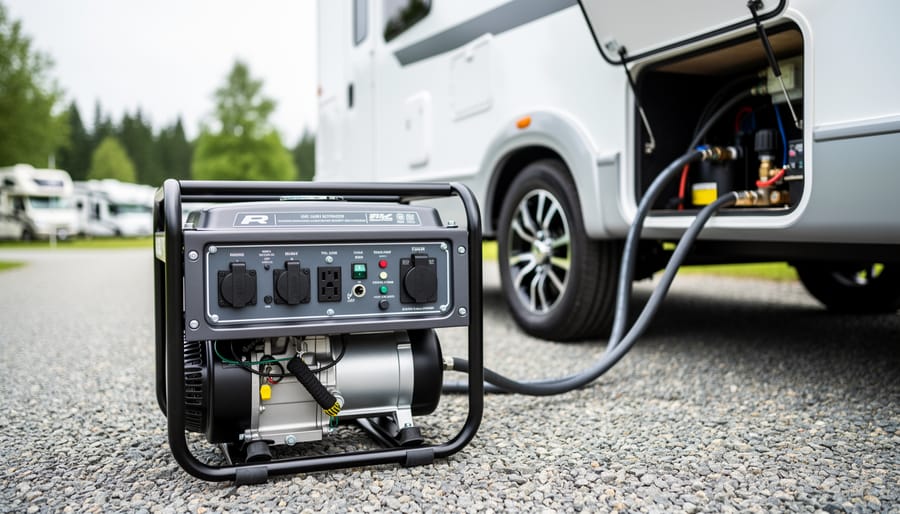


Recent Posts
After testing a range of portable power stations with real RV loads, we found the Growatt INFINITY 2000 PRO Portable Power Station delivers the best balance of capacity, runtime, and solar charging speed for extended off-grid trips. It powered a combination of fridge, lights, and roof vent reliably through multi-day boondocking sessions, and its fast…
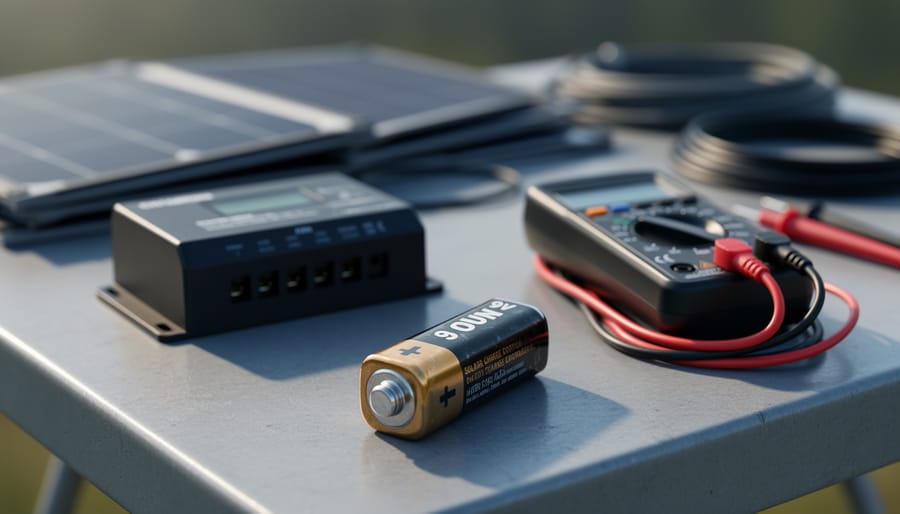
Standard 9V batteries typically deliver 400 to 600 mAh capacity, though the exact number depends on battery chemistry and discharge rate. Alkaline 9V batteries average around 500-565 mAh, while rechargeable NiMH versions offer 200-300 mAh, and lithium variants can reach 1200 mAh under ideal conditions. Understanding these numbers matters when you’re designing a solar backup…
After putting half a dozen home backup power stations through real outages and days of load testing, we found the EcoFlow DELTA Pro Ultra delivers the most comprehensive whole-home protection with its 12kWh capacity, true 120/240V split-phase output, and expandability to 90kWh. For most homeowners facing occasional power interruptions, though, the Anker SOLIX F3000 offers…
Nine times out of ten, an RV generator that won’t start has a stale fuel problem. If your generator hasn’t run in more than 30 days, degraded gasoline is likely gumming up the carburetor and preventing ignition. Before you panic or call for expensive roadside service, try this: turn on the generator’s fuel valve (if…
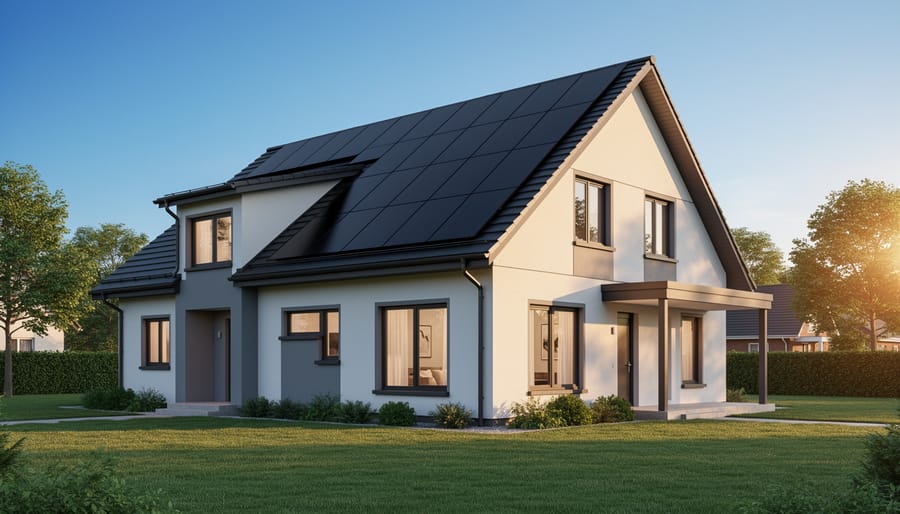
A 5kW solar system occupies between 250 and 350 square feet of roof or ground space and produces roughly 20 to 25 kilowatt-hours of electricity per day in most U.S. locations. That’s enough to power a typical three-bedroom home with moderate energy use, though your exact needs depend on your daily consumption patterns, climate zone,…
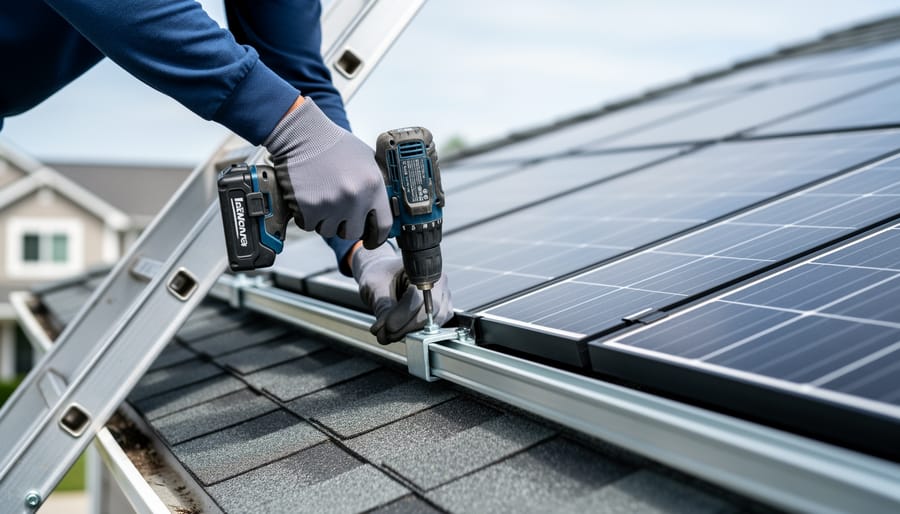
Installing a home solar system yourself takes 2-4 weekends for an average 5kW setup, requires solid electrical knowledge and comfort working at heights, and can save you $5,000-$8,000 in labor costs if you tackle everything except the final utility interconnection. The process breaks down into five main phases: permitting and design, mounting the racking system,…