Why Solar-Powered Fountains Are Better Than You Think (And How to Build Your Own)
Updated:
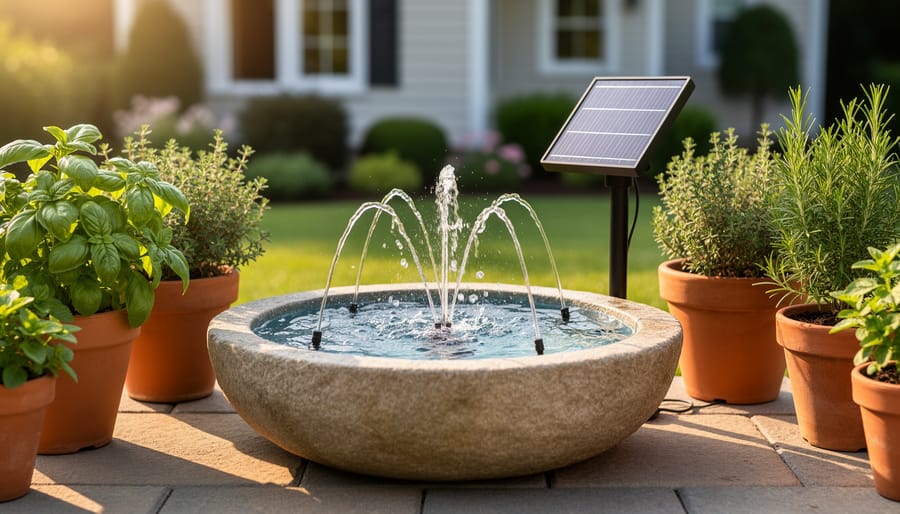
Picture a garden fountain that runs entirely on sunlight, requiring no electrical outlets, trenching, or monthly power bills. Solar-powered fountains harness photovoltaic technology to circulate water through decorative displays, creating peaceful ambiance while operating completely off-grid. These self-contained systems typically feature a small solar panel connected to a submersible pump, making them perfect for patios, gardens, birdbaths, and ponds where conventional wiring isn’t practical.
The technology works remarkably simply: solar cells convert sunlight into electricity, which powers a low-voltage pump that moves water through fountain heads or spillways. On sunny days, water dances vigorously; on cloudy days, flow diminishes but continues. Many modern units include battery backup systems that store excess energy, allowing your fountain to operate after sunset or during overcast conditions.
I installed my first solar fountain three years ago in a shaded corner of my backyard, initially skeptical about performance. Within weeks, it became my favorite outdoor feature, attracting birds and adding soothing water sounds without adding a cent to my electric bill. The setup took fifteen minutes, no tools required.
Solar fountains represent just one application of renewable energy in everyday life. Similar innovations in solar-powered water solutions are transforming how we think about outdoor water features and resource management.
Whether you’re considering purchasing a ready-made unit or building a custom system from components, understanding the mechanics, benefits, and practical considerations will help you create a sustainable water feature that enhances your outdoor space for years to come.
What Makes Solar-Powered Fountains Worth Your Time
Solar-powered fountains combine aesthetic appeal with sustainable energy, creating beautiful water features without electricity costs.
The Freedom of Off-Grid Water Features
One of the most liberating aspects of solar-powered fountains is their complete independence from electrical outlets. These ingenious water features harness energy directly from the sun, which means you can place them virtually anywhere that receives decent sunlight. I remember installing my first solar fountain in a corner of my backyard that’s at least fifty feet from the nearest outlet—it would have cost me hundreds in electrical work otherwise, but the solar version was running within minutes of unboxing.
The setup couldn’t be simpler. The fountain includes a small solar panel, either built into the unit or connected by a cord, which converts sunlight into electricity to power the pump. No trenching, no permits, no electrician required. This makes them perfect for renters who can’t modify their spaces, or for anyone wanting to add a water feature to a remote garden bed, patio corner, or even a balcony.
Their portability is a game-changer too. Take them camping to create a peaceful ambiance at your campsite, or move them seasonally to follow the best sun exposure in your yard. Remote cabins, hiking shelters, and off-grid properties can all enjoy the tranquil sounds of flowing water without compromising their energy independence.
Real Cost Savings Over Time
Let me break down the math for you, because this is where solar fountains really shine. A typical electric fountain pump running 8 hours daily uses about 200-400 watts. At the national average of $0.16 per kilowatt-hour, that’s roughly $30-60 annually in electricity costs. Multiply that over a decade, and you’re looking at $300-600.
Now here’s the beautiful part: a comparable solar fountain costs anywhere from $50-200 upfront, with zero ongoing electricity costs. Within 2-4 years, you’ve already broken even. After that? Pure savings, year after year.
I remember installing my first solar fountain and checking my electricity bill obsessively that first month, honestly disappointed I couldn’t see the tiny difference. But when I calculated five years out, I realized I’d saved nearly $250 compared to my neighbor’s electric model. Plus, my solar pump required virtually no maintenance beyond occasional cleaning.
Here’s a simple calculation you can do: multiply your local electricity rate by the wattage of your desired fountain, then multiply by hours of daily use and 365 days. Compare that annual cost to the one-time solar investment. For most hobbyists, the numbers speak for themselves within just a couple of seasons.
How Solar Fountains Actually Work (The Simple Version)
The core components of a solar fountain system include a photovoltaic panel and water pump that work together to circulate water using only sunlight.
Direct Sun vs. Battery-Backed Systems
When you’re shopping for or building a solar-powered fountain, one of the biggest decisions you’ll face is whether to go with a direct sun system or invest in one with battery backup. Let me walk you through both options so you can figure out what works best for your situation.
Direct sun fountains are the simpler choice. They operate only when sunlight hits the solar panel, which means your fountain flows during sunny daylight hours and stops when clouds roll in or when the sun sets. I remember installing my first direct sun fountain in my backyard, and honestly, I loved the natural rhythm it created. The gentle flow during the day attracted birds, and everything quieted down naturally at night. These systems are typically more affordable since you’re not paying for battery storage, and there are fewer components that could potentially fail. They’re perfect if you mainly enjoy your outdoor space during the day or if you like the idea of your fountain’s performance naturally responding to the sun’s energy.
Battery-backed systems, on the other hand, store excess solar energy during the day to keep your fountain running after sunset or during cloudy periods. This continuous operation creates a consistent water feature experience, which is fantastic if you entertain in the evenings or simply want that soothing water sound around the clock. The tradeoff is higher upfront cost and occasional battery replacement down the road, usually every few years depending on the battery type.
Consider your lifestyle and how you use your outdoor space. Are you mainly outside during daylight hours? Direct sun might be plenty. Love evening gatherings or need consistent operation? Battery backup could be worth the investment.
Choosing the Right Solar Fountain for Your Space
Key Specs That Actually Matter
When I started shopping for my first solar fountain, I felt overwhelmed by all the numbers on the spec sheets. After a few trial-and-error experiences, I learned which specs actually predict real-world performance and which ones are just marketing fluff.
Let’s break down what really matters. The pump flow rate, measured in gallons per hour (GPH), tells you how much water your fountain can move. A small birdbath typically needs 40-80 GPH for a gentle spray, while larger decorative fountains perform best with 100-200 GPH. If you want dramatic height or multiple spray patterns, look for 200+ GPH. Think of it this way: higher GPH equals stronger water flow and taller sprays.
Solar panel wattage determines how much energy you’re capturing from the sun. Most garden fountains work well with 5-10 watt panels. Smaller wattage (2-5 watts) suits compact birdbaths, while ambitious multi-tier fountains need 10-20 watts. Here’s the catch: the panel wattage needs to match your pump’s power draw, or your fountain will sputter on cloudy days.
Battery capacity, measured in milliamp hours (mAh), is your fountain’s backup plan. Without a battery, your fountain stops when clouds roll in. A 1500-2000 mAh battery gives you 2-4 hours of operation after sunset, while 3000+ mAh models can run well into the evening. I’ve found that battery-equipped fountains are worth the extra investment, especially if you enjoy your outdoor space during twilight hours.
Pre-Built vs. DIY: What’s Best for You?
I’ve been down both paths, and here’s what I’ve learned: pre-built solar fountains are perfect if you want instant results without hassle. You’ll spend anywhere from $30 to $200, and you’re up and running in minutes. The downside? Limited customization and you’re stuck with their design choices.
Building your own DIY fountain, on the other hand, typically costs between $20 and $80 in parts, depending on how creative you get with materials. I once built one using a thrift store ceramic pot and a $15 solar pump kit. The satisfaction of creating something unique for your space is unmatched, plus you learn exactly how everything works, making repairs and upgrades easier down the road.
Consider pre-built if you’re short on time, want guaranteed results, or prefer not to troubleshoot. Choose DIY if you enjoy hands-on projects, want a one-of-a-kind fountain, or love the learning process. There’s no wrong answer here. I started with a pre-built model to understand the basics, then felt confident enough to tackle my own custom builds. That’s a perfectly valid approach too.
Building Your Own Solar Fountain: A Step-by-Step Approach
Materials You’ll Need
Getting started with your solar-powered fountain is easier than you might think, and you don’t need a massive budget to make it happen. Let me walk you through exactly what you’ll need to gather before diving in.
At the heart of your fountain, you’ll want a solar panel rated between 5-10 watts for small fountains or up to 20 watts for larger setups. I learned the hard way that going too small means your fountain barely trickles on cloudy days. Look for panels with weather-resistant construction since they’ll be outdoors year-round.
Next up is your pump. A submersible fountain pump rated between 80-200 gallons per hour works perfectly for most backyard fountains. The key is matching the pump’s voltage to your solar panel, typically 12V systems are the sweet spot for reliability.
For containers, get creative! I’ve used everything from glazed ceramic pots to repurposed wine barrels. Just ensure it’s watertight and large enough to submerge your pump completely. You’ll also need flexible vinyl tubing, usually half-inch diameter, to connect your pump to decorative fountain heads or spillways.
Consider adding a rechargeable 12V battery as backup power for those overcast days when your fountain needs a boost. This optional component keeps water flowing consistently.
You can source most components from hardware stores, online retailers like Amazon, or specialized solar suppliers. Many folks in our community have found great deals at marine supply stores for pumps and tubing.
Building your own solar fountain requires just a few basic components and simple assembly that most DIYers can complete in an afternoon.
Assembly Process Made Easy
Here’s the good news: putting together a solar fountain is actually simpler than assembling most flat-pack furniture. I learned this the hard way after spending three hours on a bookshelf that still wobbles, but only thirty minutes getting my first fountain up and running.
Start by laying out all your components on a clean surface. You’ll want to identify your pump, solar panel, tubing, and any fountain head attachments before diving in. The pump usually comes with a filter sponge, so make sure that’s securely attached first. This little sponge is your fountain’s best friend, keeping debris from clogging the mechanism.
Next, connect your tubing to the pump outlet. Most pumps use a simple friction-fit system, so push firmly until you feel resistance. If it feels loose, wrap a bit of plumber’s tape around the connection point before inserting the tubing. When I skipped this step on my second fountain, I spent a frustrating afternoon wondering why my water pressure was so weak.
Now for the waterproofing part. If your solar panel connects to the pump via a cable, check whether the connection point sits above or below the waterline. Any connections that might get wet need waterproof treatment. Use marine-grade silicone sealant or electrical tape designed for outdoor use. Let silicone cure for at least 24 hours before submerging anything.
Position your solar panel where it’ll catch maximum sunlight throughout the day. South-facing spots work best in the Northern Hemisphere. If your panel has an adjustable stand, angle it at roughly your latitude in degrees for optimal performance. You can always fine-tune this later.
Finally, place your pump in the basin, ensuring it sits level on the bottom. Fill with water, making sure the pump is completely submerged. Most pumps need at least two inches of water above them to function properly. Once sunlight hits your panel, you should see water flowing within seconds. If not, check that your panel is getting direct sun and all connections are secure.
Troubleshooting Common Issues
I’ve dealt with my share of fountain hiccups over the years, and most issues have surprisingly simple fixes. If you’re experiencing weak water flow, the culprit is usually debris clogging the pump intake. I learned this the hard way when leaves from my neighbor’s oak tree turned my fountain into a trickle. Simply remove the pump, rinse the intake screen, and wipe down the impeller. This five-minute task should be part of your monthly maintenance routine.
Intermittent operation typically points to insufficient sunlight reaching your panel. Charles had a similar problem when his fountain only worked at midday. Try repositioning the panel to avoid shade from trees or buildings. If you’re still having issues, the general principles of troubleshooting solar panels apply here too, like checking connections and cleaning the panel surface.
Pump noise usually means air has entered the system or water levels have dropped too low. Top off your fountain reservoir and ensure the pump sits completely submerged. One trick I discovered: placing a small sponge under the pump dampens vibrations against the basin, reducing that annoying rattling sound significantly.
Making Your Solar Fountain Last (Maintenance Tips)
Here’s something I learned the hard way: after excitedly installing my first solar fountain, I ignored it for a few months. When I finally checked on it, the pump was struggling, the panels were covered in dust, and algae had turned my beautiful water feature into a green science experiment. Don’t make my mistake! With just a few simple maintenance habits, your solar fountain can run smoothly for years.
Start with regular panel care. Those photovoltaic cells need sunlight to work their magic, so wipe them down every two weeks with a soft, damp cloth. Bird droppings, pollen, and dust can seriously reduce power output. For a deeper dive into keeping your panels pristine, check out this guide on cleaning solar panels, which explains how even light buildup can steal 25% of your efficiency.
Next up is pump maintenance. Every month, remove the pump and rinse it thoroughly. Check the intake filter for debris like leaves or twigs that can clog the mechanism. If water flow seems weak, disassemble the pump head and clear any mineral deposits with a vinegar solution.
Algae prevention is crucial. Add a fountain-safe algae inhibitor to your water, or drop in a few copper pennies (pre-1982 ones work best). Change the water completely every few weeks, especially during hot weather when algae thrives.
Finally, winterize properly in cold climates. Before the first freeze, drain all water, remove the pump, and store everything indoors. Solar panels can stay outside, but bring batteries inside if your system uses them. This simple step prevents costly freeze damage and ensures your fountain’s ready to go when spring arrives.
Creative Ways to Use Solar Fountains Beyond the Backyard
Solar fountains aren’t just for your patio anymore. I discovered this firsthand when I brought a compact solar fountain on a camping trip last summer, and it completely changed how I thought about these versatile devices.
For camping enthusiasts, a portable solar fountain can transform your campsite into a peaceful retreat. Simply place the fountain in a collapsible bucket or portable basin, and you’ve got soothing water sounds without needing batteries or electrical hookups. The movement also helps keep water fresh for drinking when combined with proper filtration. One of my camping buddies even uses his fountain to attract birds for photography opportunities.
Wildlife lovers are creating dedicated watering stations by positioning solar fountains in shallow dishes or birdbaths. The moving water attracts more birds than static water sources, and the gentle circulation prevents mosquito breeding. Position these stations near garden edges or quiet corners where animals feel safe approaching.
Event planners and outdoor enthusiasts are discovering solar fountains as portable decorative elements. I’ve seen them used beautifully at garden parties, outdoor weddings, and community gatherings. Since they require no cords or outlets, you can place them anywhere sunlight reaches, creating focal points on picnic tables or entrance displays.
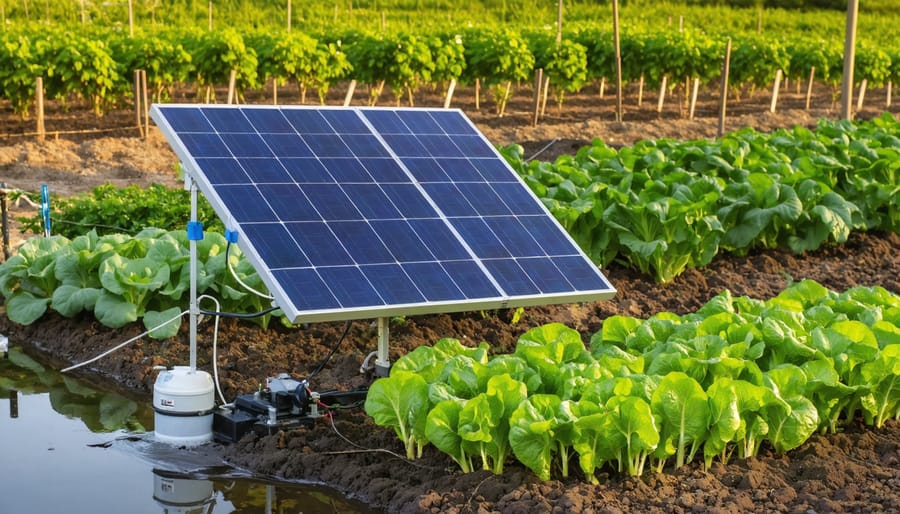
For those already using solar-powered irrigation systems, combining a fountain with your setup adds aesthetic appeal while maintaining the same eco-friendly approach. Some gardeners use fountain pumps to aerate water in rain barrels, improving water quality for plants.
The key is thinking beyond traditional placement. Solar fountains offer freedom from outlets, making them perfect wherever you need water movement, beauty, or wildlife attraction. Start with one small fountain and experiment with different locations to discover what works best for your unique needs.
Solar fountains’ portability makes them ideal for unexpected uses like camping trips, providing soothing water features anywhere the sun shines.
There’s something truly magical about watching a solar fountain come to life on a sunny day—and now you know exactly how to make it happen in your own backyard. Whether you choose a ready-made kit or dive into building a custom creation from scratch, solar fountains offer a perfect blend of practicality and pleasure. They’re low-maintenance, eco-friendly, and add that peaceful water feature you’ve been dreaming about without the hassle of electrical wiring or high energy bills.
I’ve seen countless community members transform their outdoor spaces with these projects, from simple birdbath upgrades to elaborate garden centerpieces. The beauty is that you can start small and expand as you get comfortable with the technology. Don’t forget to use the calculators here on Spheral Solar to help plan your project—they’ll take the guesswork out of sizing your panel and pump combination for optimal performance.
Ready to get started? Grab that solar panel, pick your favorite pump, and let’s bring some movement to your garden. And once your fountain is up and running, I’d love to hear about it. Share your experience, photos, and any creative solutions you discovered with our community. Your story might be exactly what inspires someone else to take the plunge into solar-powered water features.
How useful was this post?
Click on a star to rate it!
Average rating 0 / 5. Vote count: 0
No votes so far! Be the first to rate this post.
We are sorry that this post was not useful for you!
Let us improve this post!
Tell us how we can improve this post?
charlesnoble
Here at Spheral Solar, I’m a hands-on solar power enthusiast, constantly exploring and experimenting with DIY solutions. I’m dedicated to sharing my discoveries, insights, and even the bumps I hit along the way, all in the pursuit of a more sustainable future.
Solar-Powered Irrigation Changed How I Water My… by Charlesnoble November 15, 2025 Last summer, I watched my neighbor haul gasoline cans across his property every few days just to keep his garden watered. Meanwhile, my own irrigation system was running silently on pure sunshine, costing me nothing after the initial setup. That’s the beauty of solar-powered irrigation—it transforms water management from a…
Solar Power Your Kitchen While Saving the Planet (And Money) by Charlesnoble February 21, 2026 Calculate your kitchen’s current energy consumption by tracking appliance usage for one week, noting which devices draw the most power—typically refrigerators, dishwashers, and electric stoves account for 60-80% of kitchen energy use. This baseline becomes your roadmap for meaningful change, showing exactly where solar integration or efficiency upgrades will deliver…
4 Best Solar Deck Lights of 2026, Tested and Reviewed by Charlesnoble August 8, 2026 After testing solar deck lights across multiple months of evening use, we found the VOLISUN Solar Deck Lights 16 Pack deliver the best combination of brightness, runtime, and installation simplicity for most outdoor spaces. These lights outperformed competitors in our real-world testing, staying reliably bright through the night and requiring…
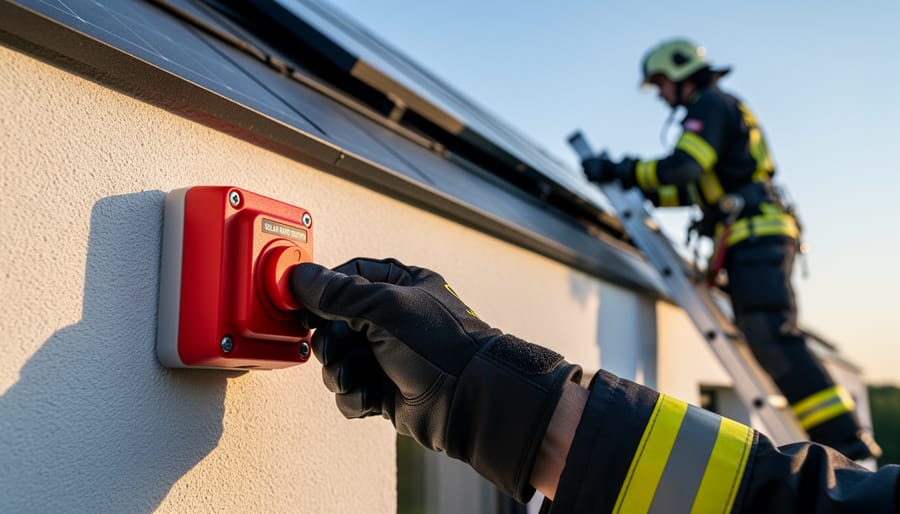
Why Your DIY Solar System Needs Rapid Shutdown… by Charlesnoble January 13, 2026 Picture this: You’ve just installed your dream solar array, the panels are gleaming in the sun, and you’re ready to flip the switch—then your inspector mentions something about rapid shutdown compliance. If you’re scratching your head wondering what that means and why it matters for your system, you’re not alone.…
How to Adjust Time on Your G-Shock Solar Watch… by Charlesnoble May 27, 2026 Press and hold the adjust button (usually bottom-left) on your G-Shock for three seconds until the time display starts flashing—this unlocks manual time adjustment on most models. Navigate between hours, minutes, and date using the mode button, then use the forward/reverse buttons to change values. If you own a radio-controlled…
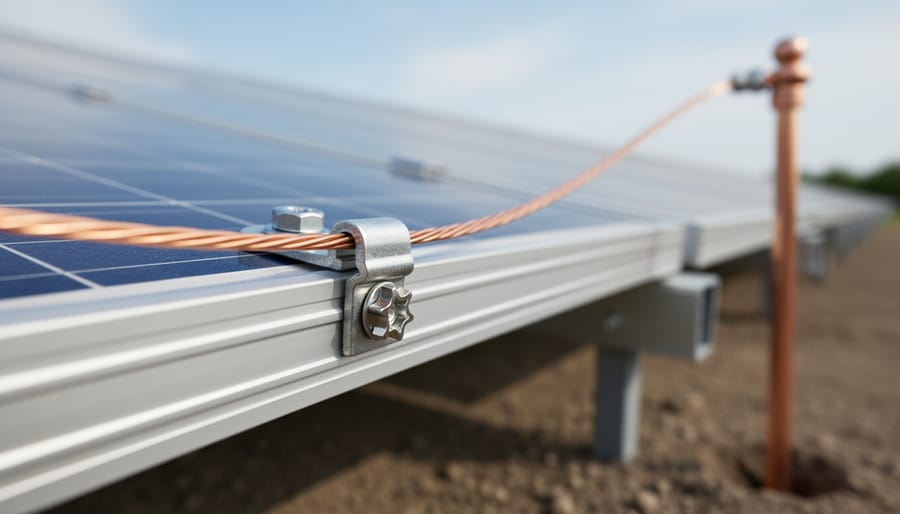
Why Your Solar Panels Need Proper Grounding (And How… by Charlesnoble March 17, 2026 Connect your solar panel frame directly to a grounding rod using 6-gauge bare copper wire and listed grounding lugs—this single action protects your system from lightning strikes and prevents dangerous electrical shocks. Strip back half an inch of wire, insert it into the grounding lug attached to your panel’s frame…
Subscribe for handpicked DIY projects, exclusive tips, and giveaways.
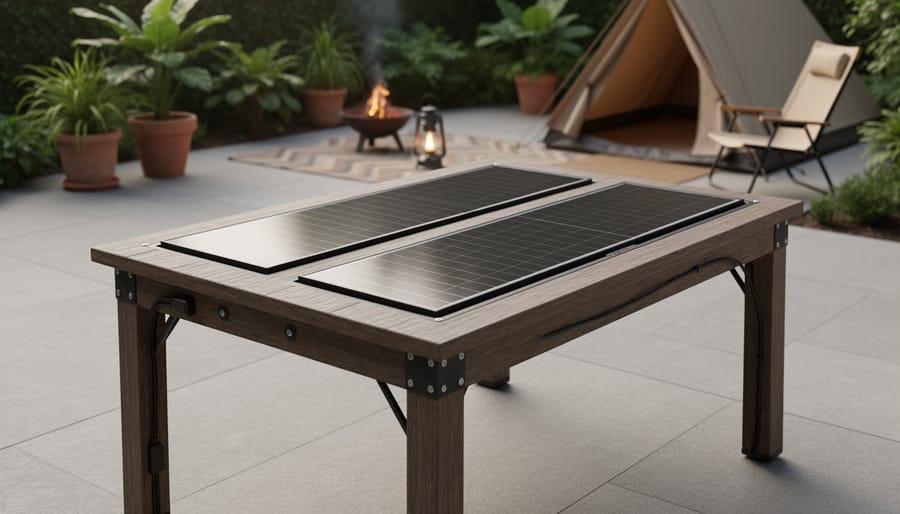
Building a solar powered outdoor table takes about 8 to 12 hours and requires basic woodworking skills plus some familiarity with electrical connections. You’ll mount solar panels directly onto a custom-built or modified outdoor table, wire them to a charge controller and battery system housed underneath, and add USB ports or AC outlets for charging… Read more: How to Build a Solar Powered Outdoor Table for Your Camping Setup
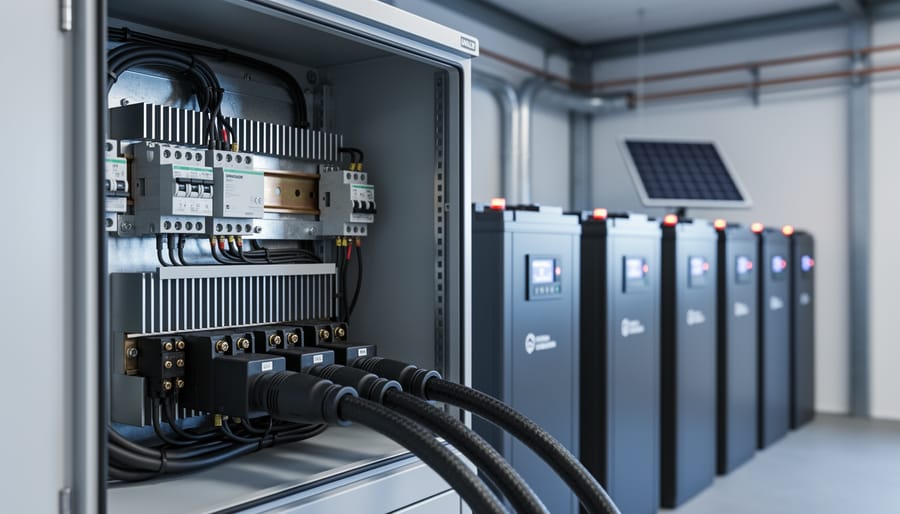
Charging a battery bank with a 3-phase inverter requires connecting your inverter’s AC output to a compatible battery charger or hybrid inverter system that can convert the 3-phase power back to DC for storage. Most DIY solar setups achieve this by using a hybrid inverter that handles both solar input and battery charging simultaneously, or… Read more: How to Wire and Configure a Battery Inverter 3 Phase System for Off-Grid Solar
Wiring a 7-pin RV plug correctly connects your tow vehicle to your trailer’s lights, brakes, and auxiliary power in about 45 minutes with basic hand tools and careful attention to the color-coded wire standard. The diagram follows a specific layout mandated by the RV Industry Association: each pin controls a distinct function, from left turn… Read more: How to Wire a 7-Way RV Plug: Step-by-Step Diagram and Setup Guide