UV Roof Coating Saved My Solar Setup (And Stopped a $3,000 Leak)
Updated:
Inspect your roof for cracks, blisters, or worn areas before applying any UV coating—these problem spots need repair first, or you’ll just be sealing in future leaks. I learned this the hard way when I rushed to coat my garage roof before installing my first solar array and ended up with water pooling under the coating within six months.
Choose an elastomeric or acrylic UV-reflective coating specifically rated for solar installations, as these flex with temperature changes and won’t degrade under the constant exposure your panels create. The reflective properties also keep your roof 20-30 degrees cooler, which actually boosts your solar panel efficiency by reducing heat buildup underneath.
Clean the entire roof surface with a pressure washer and degreaser at least 48 hours before application, giving adequate time for complete drying—moisture trapped under coating is the number one cause of premature failure. When working around existing solar equipment, rooftop solar waterproofing requires extra attention to seal all penetration points where mounting hardware creates potential leak paths.
Apply two thin coats rather than one thick coat, using a long-handled roller for large areas and a brush for edges and transitions. The first coat acts as a primer, filling in minor surface imperfections, while the second coat provides the UV protection and waterproofing barrier your roof needs to last another 10-15 years.
Plan your coating project during a stretch of dry weather with temperatures between 50-90 degrees Fahrenheit, as most coatings need 24-48 hours of cure time without rain. This timing consideration becomes critical when you’re protecting an investment as significant as a solar installation on top of your home.
What UV Roof Coating Actually Is (And Why Solar DIYers Should Care)
The Two Big Problems UV Coatings Solve for Solar Roofs
When I first started helping friends with their solar installations, I noticed two problems kept cropping up. First, their roofs would develop small leaks around the mounting points within a year or two. Second, the roofing material itself would start deteriorating faster than expected, especially in the areas directly surrounding the solar panels.
Here’s what’s happening: every time you drill into your roof to mount solar panels, you’re creating potential entry points for water. Even with the best flashing and sealants, temperature changes cause materials to expand and contract, eventually creating tiny gaps where moisture can sneak through. A quality UV coating creates an additional waterproof barrier that seals these vulnerable spots and protects against future leaks.
The second problem is actually about your roof’s exposure to ultraviolet radiation. Ironically, while your solar panels are converting sunlight into energy, that same UV radiation is breaking down the chemical bonds in your roofing materials. Asphalt shingles become brittle, rubber membranes crack, and even metal roofs can oxidize faster. UV coatings contain special reflective pigments and UV-blocking compounds that act like sunscreen for your roof, preventing this degradation.
I’ve seen this firsthand with my neighbor Jake’s installation. Two years after applying UV coating to his aging asphalt roof before mounting panels, his roof looked better than his neighbor’s newer roof without coating. The difference was remarkable, and he hasn’t had a single leak despite some pretty severe storms we’ve experienced.
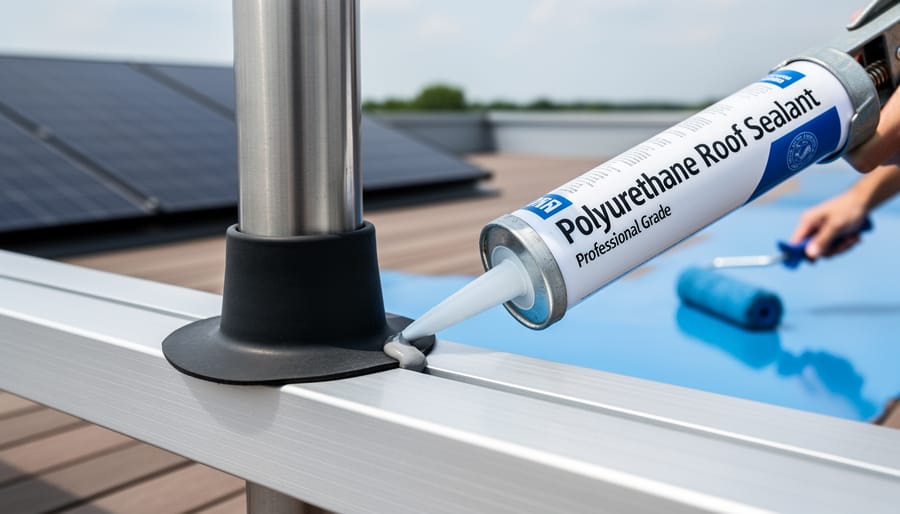
UV roof coating applied around solar panel mounting hardware creates a waterproof seal that protects vulnerable penetration points.
When Your Roof Needs UV Coating Before Going Solar
Visible cracks and weathering around mounting points indicate a roof that needs UV coating before further deterioration occurs.
The DIY Roof Inspection Checklist
Before applying any UV roof coating, you’ll want to know exactly what you’re working with. I remember my first roof inspection—I was nervous about climbing up there, but taking it slow and methodical made all the difference. Let’s walk through this together.
Start with safety first. Choose a clear, dry day with no wind. Wear rubber-soled shoes with good grip, and if your roof has a steep pitch (more than a 6:12 slope), seriously consider hiring a professional instead. Let someone know you’re going up there, and keep your phone handy.
Begin your inspection from the ground using binoculars to scan for obvious damage—missing shingles, visible cracks, or sagging areas. Once you’re comfortable heading up, bring a notepad to document what you find.
On the roof, work systematically in sections. Look for cracked, curled, or missing shingles. Check the flashing around chimneys, vents, and any existing solar panel mounting points—these are the most vulnerable spots where water typically sneaks in. Run your hand gently over shingles to feel for granule loss, which leaves them smooth and indicates UV damage that coating will address.
Pay special attention to areas around solar equipment. Examine the sealant around mounting brackets—it should be intact without gaps or cracks. If you spot any separation between the bracket and roofing material, mark it for repair before coating.
Check existing waterproofing by looking for stains on the underside of the roof from your attic. Water marks, mold, or damp insulation signal problem areas needing immediate attention.
Document everything with photos. This creates your baseline and helps you communicate with suppliers about which coating products match your specific roof condition and material type.
Timing It Right: Before or After Panel Installation?
Here’s the big question I wrestled with when I first tackled this project: should you apply UV coating before mounting your solar panels, or work around panels that are already installed?
From my experience, coating before installation is hands-down the easier route. You’ll have complete access to every inch of your roof, which means better coverage and less frustration. When I helped my neighbor coat her roof pre-installation, we finished in about half the time it took me to do mine with panels already up. Plus, you won’t risk accidentally dripping coating on expensive solar equipment or dealing with those tricky edges around panel mounts.
That said, most of us fall into the retrofit camp. Maybe you’ve already got panels up, or perhaps you’re realizing years later that your roof needs protection. The good news? It’s totally doable, just requires more patience and planning.
If you’re retrofitting like I did, here’s what worked for me: use painter’s tape and plastic sheeting to protect your panels and wiring. Work in smaller sections, and invest in an angled brush for getting under panel edges. Yes, it takes longer, but the protection is worth it.
The timing sweet spot? If you’re planning a solar installation within the next six months, wait and coat first. Already have panels? Don’t delay the coating just because it seems complicated. Your roof’s integrity matters more than convenience, and water damage only gets worse with time.
Types of UV Roof Coatings That Work With Solar Installations
Elastomeric Coatings: The DIY-Friendly Option
If you’re looking for a coating that’s forgiving and user-friendly, elastomeric coatings should be at the top of your list. I learned this the hard way during my first roof coating project when I accidentally applied my initial coat a bit too thick in some spots. With elastomeric coating, it simply flexed and settled beautifully rather than cracking like other products might have.
These coatings are basically rubber-based miracle workers. The magic lies in their ability to expand and contract with your roof as temperatures fluctuate throughout the day and across seasons. Think of it like a protective second skin for your roof that moves with it rather than fighting against it. This flexibility means fewer cracks over time, which translates to better protection for both your roof and your solar equipment.
What makes elastomeric coatings particularly popular among DIY solar enthusiasts is their straightforward application process. You can apply them with a standard paint roller or sprayer, and they’re incredibly forgiving if you’re not a professional. Most homeowners can cover about 50-100 square feet per gallon, depending on the roof’s texture and condition. Rougher surfaces will naturally require more material.
Cost-wise, expect to pay between 30 and 60 dollars per gallon for quality elastomeric coating. A typical residential roof coating project might run you 200 to 600 dollars in materials if you’re doing it yourself, which is considerably less than hiring professionals. The coverage rate and your specific roof condition will determine your final investment, but the peace of mind knowing your solar investment is protected from UV damage and moisture makes it worthwhile.
Acrylic and Silicone: When to Choose Each
When I was choosing a coating for my garage roof before installing solar panels, I stood in the hardware store aisle completely overwhelmed by the options. Let me break down what I learned about the two main players: acrylic and silicone coatings.
Acrylic coatings are the friendly, budget-conscious option. They’re water-based, which means easier cleanup and application for us DIYers. They’re excellent at reflecting UV rays and keeping your roof cool, which is fantastic for solar efficiency. I found them perfect for moderate climates without extreme temperature swings. They’re also breathable, allowing moisture to escape from your roof deck. The catch? They need periodic recoating every 5-7 years and don’t handle ponding water as well.
Silicone coatings, on the other hand, are the heavy-duty champions. They’re more expensive upfront but incredibly durable, lasting 10-15 years. What really sold me on silicone for certain applications is their superior water resistance. If your roof has low-slope areas where water pools, silicone is your friend. They remain flexible in extreme temperatures, making them ideal for harsh climates with scorching summers or freezing winters.
For solar installations, consider your mounting systems. Ballasted systems that don’t penetrate the roof pair beautifully with either coating. However, if you have penetrating mounts, silicone’s superior waterproofing around fasteners provides extra peace of mind. In consistently dry, sunny climates, acrylic works wonderfully and costs less. In areas with heavy rain or temperature extremes, invest in silicone.
What I Actually Used (And What I’d Do Differently)
When I tackled my first roof coating project three years ago, I went with an acrylic elastomeric coating after reading countless reviews and product specs. I chose it mainly because the price point felt reasonable and the application seemed straightforward for a weekend warrior like me. Looking back, I’m glad I went that route for my first attempt, but I definitely learned some valuable lessons along the way.
My biggest mistake? Underestimating how much surface prep actually matters. I thought a quick sweep and hose-down would be enough, but I ended up with some bubbling in spots where I’d missed debris. If I could do it over, I’d spend an entire extra day on cleaning and let everything dry completely for 48 hours instead of rushing it.
I also wish I’d invested in better application tools from the start. I used a basic paint roller, which worked fine for flat areas, but around my solar panel mounts and roof penetrations, a quality brush would have saved me hours of touch-up work. The pro-grade rollers with thicker naps also give better coverage in one coat.
One thing I got right was applying two coats instead of trying to make one heavy coat work. Sure, it took longer, but the finished result has held up beautifully through three harsh summers.
How to Apply UV Roof Coating Around Solar Panels: A DIY Walkthrough
Tools and Materials You’ll Actually Need
Let me tell you, my first roof coating project turned into a comedy of errors because I tried to MacGyver tools I didn’t have. Learn from my mistakes and gather these essentials before you start.
For the actual application, you’ll need a heavy-duty paint roller with an extension pole (saves your back, trust me), a quality paint tray, and at least two large brushes for detail work around vents and edges. Budget-conscious? Hardware store brands work just fine. I’ve had great results with basic contractor-grade rollers from my local home improvement center.
Safety first, friends. Invest in slip-resistant work boots with good ankle support, a safety harness with roof anchors (non-negotiable), work gloves, and UV-protective sunglasses. A wide-brimmed hat helps too, especially during those scorching afternoon sessions.
You’ll also want painter’s tape, drop cloths to protect solar equipment, a stiff-bristle broom for surface prep, and buckets for mixing if your coating requires it. Optional but helpful: a power washer for cleaning (you can rent these), a measuring wheel to calculate coverage needs, and a quality spray applicator if you’re tackling a larger roof.
Most materials are available at big-box stores, though specialty roof coatings might require ordering online or visiting roofing supply stores.
Surface Prep: The Step Most DIYers Skip (Don’t Be That Person)
I’ll be honest with you—I learned this lesson the hard way. My first UV coating job looked great for about six months, then started peeling in these sad little strips. Why? I skipped proper surface prep because I was excited to get to the “real work.” Don’t make my mistake.
Here’s the truth: UV roof coating only works if it can actually stick to your roof. Think of it like painting a wall—you wouldn’t paint over dirt and loose paint chips, right? Same principle.
Start by giving your roof a thorough cleaning. I’m talking about removing all dirt, debris, leaves, and any organic growth like moss or mildew. A pressure washer works wonderfully here, but if you don’t have one, a stiff brush and garden hose will do the job. Just make sure everything is completely dry before moving forward—I usually wait 24-48 hours depending on weather.
Next, inspect every inch for cracks, gaps, or damaged areas. Small cracks might seem harmless, but they’re basically highways for water once you seal everything else up. Use a compatible roof sealant or patching compound to fill these trouble spots. Let repairs cure fully according to manufacturer instructions.
Finally, check for any loose or flaking existing coatings. These need to be scraped away until you reach a solid surface. Yes, it’s tedious work, but this step determines whether your coating lasts two years or twenty. The extra hour you spend now saves you from redoing the entire job later.
Elastomeric UV coating application is straightforward enough for DIY solar enthusiasts with basic painting skills.
Application Technique for Even Coverage
Getting your UV roof coating on evenly is easier than it looks, but it does require some patience and the right approach. Let me walk you through the technique that’s worked best for me and countless other DIYers.
Start by dividing your roof into manageable sections, about 10×10 feet each. This prevents you from rushing and helps ensure consistent coverage. Use a quality roller with a 3/8 to 1/2 inch nap for the main application. The key is to work the coating into the surface with overlapping strokes in a crosshatch pattern, first going one direction, then perpendicular. This creates that uniform thickness you’re after.
Here’s something I learned the hard way: most UV roof coatings need to be applied at about 15-20 mils wet thickness, which translates to roughly 10 mils when dry. Too thin and you won’t get proper protection. Too thick and you risk cracking as it cures. A good rule of thumb is that one gallon should cover about 50-75 square feet for a single coat. If you’re blowing through product faster than that, you’re probably applying it too heavy.
Now, about those panel mounting points. This is where things get interesting. You’ll want to carefully cut in around the flashing and mounting brackets using a quality angled brush. Don’t slather coating onto the mounting hardware itself, especially not on bolts or adjustable components. I once gummed up a tracking mount with coating, and trust me, my panels weren’t happy when they couldn’t follow the sun properly.
For the areas directly beneath panels, if you can safely access them, apply a thin coat and feather it out toward the edges. Most roofs will need two coats for optimal protection. Wait the full recommended drying time between coats, usually 24 hours depending on temperature and humidity. That second coat fills in any holidays or thin spots from the first application, giving you complete coverage that’ll stand up to the elements for years.
Dealing With Mounting Hardware and Wiring Penetrations
When I first tackled my solar installation, I learned the hard way that roof penetrations are where leaks love to happen. Those mounting brackets, conduit entries, and cable pass-throughs create vulnerable spots that need extra attention when applying UV roof coating.
Start by thoroughly cleaning around each penetration point. Use a wire brush to remove any rust from metal components and wipe everything down with a degreaser. This step makes all the difference in coating adhesion. I once skipped this on a few bolts, and those were the exact spots where the coating peeled within months.
Before applying your main coating, consider using a high-quality sealant or caulk specifically designed for roofing applications around the base of each mounting bracket. Think of this as your first line of defense. Apply a generous bead around the hardware, ensuring it fills any gaps between the bracket and the roof surface.
When working around solar equipment, you’ll need to be strategic. For conduit entries and wire penetrations through the roof surface, create a seal by applying coating in multiple thin layers rather than one thick coat. Build up material around the penetration edges, creating a gentle slope that directs water away from the opening.
Pro tip from experience: use a small detail brush for these tight areas. The precision helps you avoid getting coating on electrical components while ensuring complete coverage. Pay special attention to the uphill side of each penetration where water naturally accumulates during rain.
Maintaining Your Coated Solar Roof: What Actually Works
The Twice-a-Year Inspection Routine
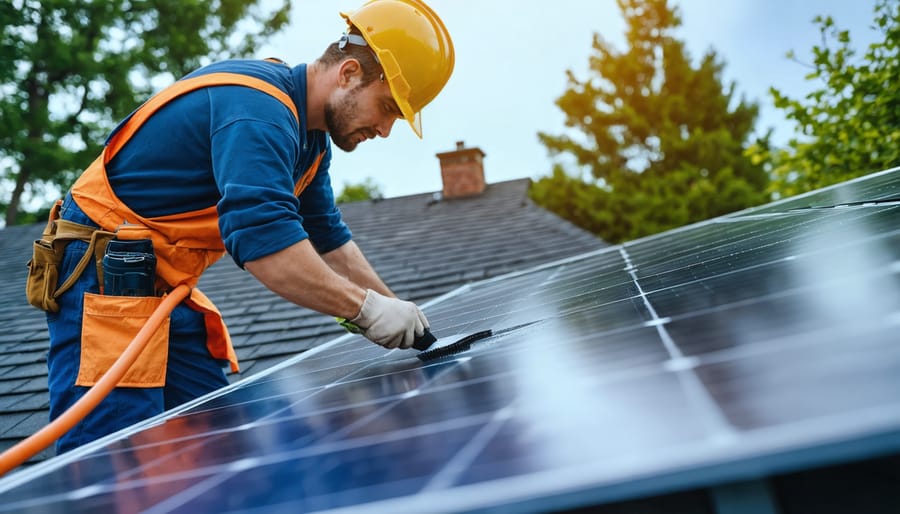
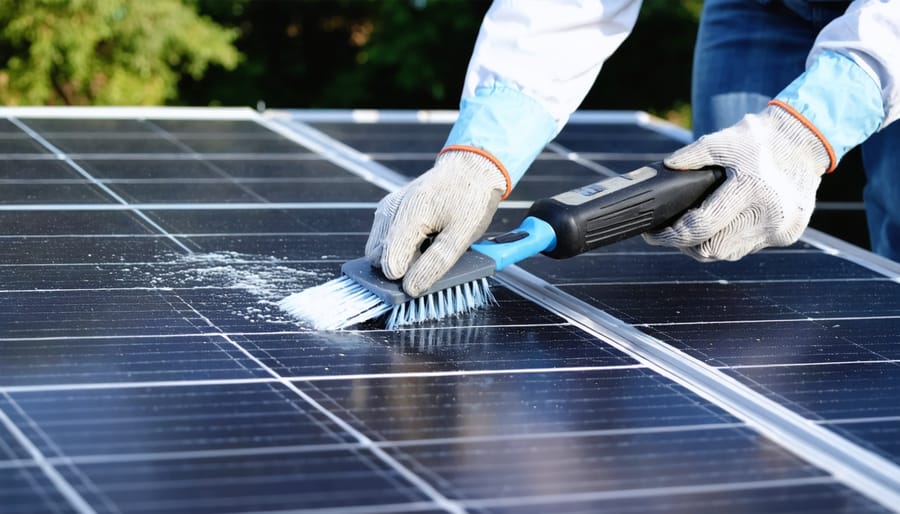
Here’s the good news: checking your UV roof coating doesn’t require a PhD in roofing science. I recommend giving it a quick look-over twice a year, ideally during your regular solar panel cleaning sessions in spring and fall. This way, you’re already up there with your hose and squeegee, so why not multitask?
During your inspection, scan for chalky residue (that’s UV degradation), cracks, or areas where the coating looks thin or worn. Pay special attention to spots around your solar panel mounts and high-traffic zones if you occasionally walk on your roof. Run your hand gently over the surface; it should feel smooth and consistent, not rough or flaky.
Most quality UV coatings last five to ten years, but environmental factors like intense sun exposure or harsh weather can shorten that lifespan. If you notice significant wear covering more than 20 percent of the coated area, or if water isn’t beading up like it used to, it’s time to consider reapplication. Catching these issues early means a simple touch-up rather than a complete redo, saving you both time and money down the road.
A properly coated solar roof protects the underlying structure while maintaining clean professional appearance and full system functionality.
Common Mistakes That’ll Cost You (And How to Avoid Them)
Let me share some hard-earned lessons from my own coating adventures and what I’ve heard from folks in our community. Trust me, these mistakes are totally normal, but knowing about them ahead of time can save you hours of frustration and wasted materials.
The biggest blunder I made on my first coating job? Not cleaning the roof thoroughly enough. I figured a quick sweep and hose-down would do the trick. Wrong. Two months later, I noticed the coating peeling away in spots where I’d missed debris and old oxidation. The fix was painful: scraping off the loose coating, properly cleaning those areas, and reapplying. Now I take an extra hour to really scrub problem areas with a stiff brush and roof cleaner. It’s boring work, but it makes all the difference.
Another common mistake is coating when the weather isn’t cooperating. Sarah from our community forum learned this the hard way when morning dew mixed with her fresh coating, creating a cloudy, weakened surface. Most coatings need at least 24 hours of dry weather, with temperatures between 50-90 degrees Fahrenheit. Check your extended forecast, not just tomorrow’s weather.
Working around solar panel mounts can be tricky too. Several people have accidentally coated the bolts and hardware, which makes future maintenance a nightmare. Use painter’s tape generously around all mounting points, junction boxes, and conduit. It takes fifteen extra minutes but saves you from having to chip coating off threaded bolts later.
I’ve also seen folks apply coating too thick in one pass, thinking more is better. This actually prevents proper curing and can lead to cracking. Follow the manufacturer’s coverage rate religiously. Two thin coats always outperform one thick one.
If you do notice problems after application, like bubbling or poor adhesion, don’t panic. Small bubbles can often be punctured and smoothed while the coating is still wet. For larger issues, letting the coating fully cure, then scraping and spot-treating usually works better than trying to fix wet coating.
Protecting your roof with the right UV coating isn’t just about adding another layer of material—it’s about investing in genuine peace of mind. When you’ve put time, money, and effort into your solar installation, the last thing you want is water damage undermining everything you’ve built. A quality waterproof coating acts as your silent guardian, working 24/7 to keep moisture out while helping your panels perform their best.
I’ve learned through years of working with DIY solar enthusiasts that the most successful projects share one common trait: they don’t skip the fundamentals. Waterproofing might not be the exciting part of going solar, but it’s absolutely essential. Think of it as insurance for your investment—one that pays dividends through extended roof life, prevented leaks, and optimal solar performance.
Now I’d love to hear from you! Have you tackled UV roof coating on your own solar project? What challenges did you encounter, and what solutions worked best for you? Share your experiences in the comments below—your insights could help a fellow DIYer avoid costly mistakes or discover a technique that makes the job easier.
Ready to take the next step in planning solar projects? Check out our Spheral Solar calculators to estimate your roof’s coating needs, calculate material quantities, and map out a timeline that works for your schedule. Together, we can build a community of informed, confident solar enthusiasts who protect their investments from the ground up.
How useful was this post?
Click on a star to rate it!
Average rating 0 / 5. Vote count: 0
No votes so far! Be the first to rate this post.
We are sorry that this post was not useful for you!
Let us improve this post!
Tell us how we can improve this post?
charlesnoble
Here at Spheral Solar, I’m a hands-on solar power enthusiast, constantly exploring and experimenting with DIY solutions. I’m dedicated to sharing my discoveries, insights, and even the bumps I hit along the way, all in the pursuit of a more sustainable future.
Why Your Rooftop Solar Installation Needs… by Charlesnoble January 28, 2026 Seal every penetration point where your solar mounting hardware breaks through the deck surface with marine-grade polyurethane caulk rated for continuous UV exposure and thermal cycling. I learned this the hard way after my first DIY installation when I assumed standard silicone would suffice—three months later, I discovered water pooling…
Solar Panel Maintenance Actually Costs Less Than You… by Charlesnoble November 20, 2025 Budget between $150 and $330 annually for basic solar panel maintenance—that’s typically what most homeowners spend keeping their systems running at peak efficiency. Compare this to the $0 you’ll pay in fuel costs, and you’ll quickly see why the benefits of solar energy far outweigh these minimal upkeep expenses. Inspect…
Dirty Solar Panels Are Costing You Money (Here’s How… by Nick November 5, 2025 Clean your solar panels every 3-6 months to maintain peak efficiency—dirty panels can lose up to 25% of their energy output. Regular maintenance takes just an hour and requires minimal equipment, making it one of the most cost-effective ways to maximize your solar investment. Start by checking your system’s performance…
Six Energy Sources That Work With Your Solar Panels… by Charlesnoble December 16, 2025 Harness the sun’s energy streaming onto your roof right now—solar panels convert sunlight into electricity that powers your home while slashing monthly utility bills. Capture moving air with residential wind turbines mounted on your property, generating supplemental power during breezy days and nights when solar production drops. Tap into the…
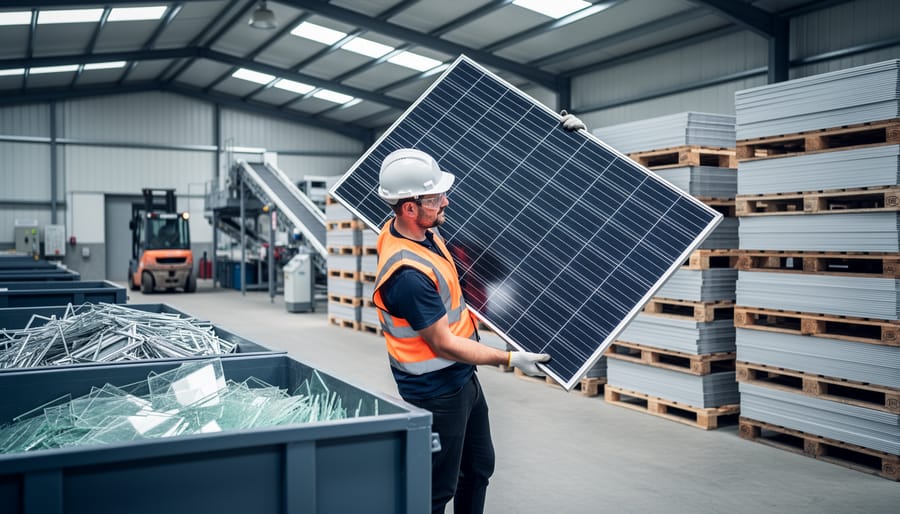
What Really Happens to Your Old Solar Panels (And… by Charlesnoble March 15, 2026 Contact certified electronics recyclers in your area first—many accept photovoltaic panels even if they don’t advertise it specifically. Call ahead with your panel specifications, including wattage, age, and whether they contain crystalline silicon or thin-film materials, as facilities often specialize in particular types. Most recyclers will ask about quantity since…
How the Solar Tax Credit Puts Thousands Back in Your Pocket by Charlesnoble January 16, 2026 Claim up to 30% of your solar installation costs back from the federal government through the residential solar tax credit—officially called the Investment Tax Credit (ITC)—which applies to equipment, labor, and even permits when you install solar panels on your home. This credit directly reduces what you owe the IRS…
Subscribe for handpicked DIY projects, exclusive tips, and giveaways.
There is something special about a mature tree. Decades of growth, shade that actually cools the house, branches that the kids climbed, a root system that has quietly held the yard together through every storm. So when circumstances force a move, whether it is a home renovation, a new driveway, or a construction project that… Read more: How to Move a Mature Tree Without Killing It: The Complete Relocation Guide
A mass energy conversion calculator lets you determine how much energy is locked inside any amount of matter using Einstein’s famous equation E=mc². Whether you’re working on a physics assignment or simply curious about the enormous energy potential in everyday objects, the calculation itself takes just seconds once you understand the formula’s three components: energy… Read more: How to Use a Mass Energy Conversion Calculator (Step-by-Step Guide)
Low voltage circuit protection in DIY solar systems boils down to matching the right fuse or breaker to your wire size and expected current, not to the capacity of your battery bank or inverter. Most fires and equipment failures happen when people oversize protection devices, thinking bigger is safer, when the opposite is true. Your… Read more: How to Size Low Voltage Circuit Protection for Your DIY Solar System