Solar Panel Maintenance Actually Costs Less Than You Think (Here’s the Breakdown)
Updated:
Budget between $150 and $330 annually for basic solar panel maintenance—that’s typically what most homeowners spend keeping their systems running at peak efficiency. Compare this to the $0 you’ll pay in fuel costs, and you’ll quickly see why the benefits of solar energy far outweigh these minimal upkeep expenses.
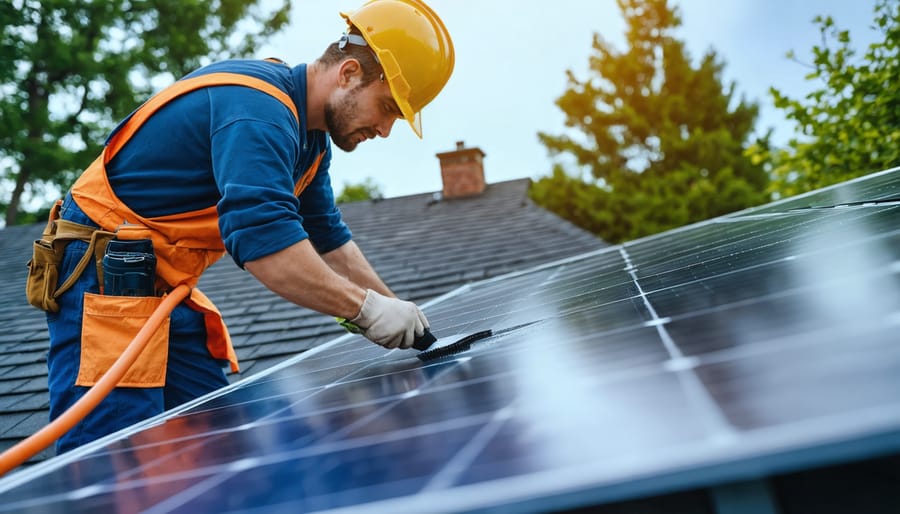
Inspect your panels every three months for debris accumulation, checking for leaves, bird droppings, and dust buildup that can reduce efficiency by 15-25%. Schedule professional cleaning once or twice yearly in dusty climates, costing $100-$150 per visit, or tackle it yourself with a garden hose and soft brush for essentially free.
Monitor your inverter’s display monthly for error codes or performance drops, as this component accounts for 60% of maintenance issues and typically costs $200-$300 to service professionally. Most inverter problems show up as reduced energy production, which you can track through your system’s monitoring app.
Set aside $25-$50 monthly in a maintenance fund to cover unexpected repairs, though most quality systems require minimal intervention for their first 10-15 years. This approach beats scrambling for cash when you need a critter guard installation at $400-$600 or an inverter replacement down the line.
Here’s what most solar owners don’t realize until year two: maintenance costs actually decrease over time as you develop a routine and learn which tasks you can confidently handle yourself. I learned this firsthand when I spent $300 on professional cleaning my first year, then invested $40 in proper equipment and now handle quarterly cleanings in under an hour.
The real question isn’t whether solar maintenance costs money—it’s whether those costs make sense compared to your energy savings and system longevity.
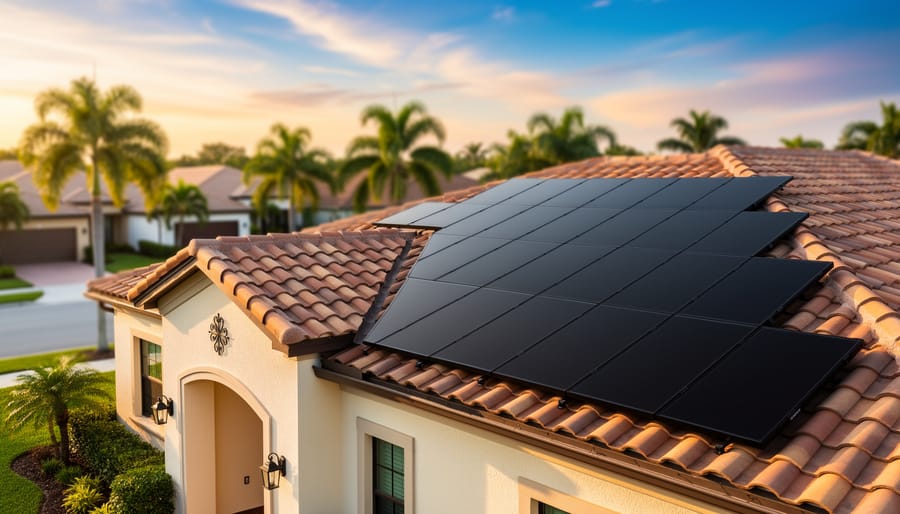
Residential rooftop solar installations represent the most common type of system requiring regular but affordable maintenance.
The Real Numbers: What You’ll Actually Spend
DIY Systems vs. Professional Installations
Let me share something I learned the hard way: when I installed my first DIY solar setup five years ago, I thought I’d save a fortune by handling everything myself. Turns out, the maintenance cost story is more nuanced than I expected.
With DIY systems, you’ll typically spend less on routine maintenance because you’re doing the work yourself. Regular panel cleaning might cost you nothing more than some distilled water and elbow grease, compared to the $150-300 annual fee for professional cleaning services. Checking connections, monitoring your inverter display, and keeping vegetation trimmed are all straightforward tasks that put money back in your pocket.
Here’s where it gets interesting though. While my buddy opted for professional solar installation, his system came with warranties that covered many repairs I’d have to pay for out-of-pocket. When my inverter acted up after three years, I spent $200 on diagnostic equipment and another $400 on replacement parts. His installer handled a similar issue at no cost.
The real sweet spot is knowing your limits. DIYers can handle about 80% of routine maintenance tasks, saving hundreds annually. But electrical troubleshooting, roof repairs, and warranty-required inspections demand professional expertise. I budget around $200-300 yearly for my DIY system maintenance, knowing I might need to call in help occasionally. Professional systems often include maintenance packages ranging from $300-500 annually, but with less surprise expense risk.
My advice? Master the basics yourself, but build relationships with qualified professionals for the technical stuff. Your wallet and your peace of mind will thank you.
Hidden Costs Nobody Talks About
When I first installed my solar system five years ago, I budgeted for the panels, inverter, and installation. What caught me off guard? The ongoing little expenses that nobody mentioned. Let me share what I’ve learned so you can plan better than I did.
First up is monitoring equipment. Sure, basic monitoring might come with your inverter, but if you want detailed performance tracking, you’re looking at $100-300 for a decent monitoring system. Some systems also require annual subscription fees of $50-100. I didn’t factor this in initially, and it made my first-year budget a bit tight.
Cleaning supplies add up too. If you’re doing it yourself, you’ll need proper equipment. A quality soft-bristled brush costs around $30-50, and you’ll want specialized solar panel cleaning solution rather than regular soap (about $20-30 per bottle, lasting several cleanings). A telescoping pole for roof access runs another $40-80. My first attempt using regular window cleaner left streaks that actually reduced efficiency.
Here’s the big one: micro-inverters and optimizers. These components typically need replacement every 10-15 years at $150-250 each. If you have 20 panels with individual optimizers, that’s a significant future expense most people don’t anticipate.
Don’t forget about critter guards if you have wildlife issues. Squirrels and birds love nesting under panels, and protective mesh installation costs $500-1,500. I learned this the hard way after discovering a family of birds had moved in.
Budget an extra $200-400 annually for these hidden costs, and you won’t be caught off guard like I was.
What Actually Needs Maintenance (And What Doesn’t)
The Panels Themselves
Good news: the panels themselves are surprisingly low-maintenance! Most solar panels just need a simple cleaning two to four times per year, depending on where you live. I learned this the hard way when I first installed my system – I was out there every other week with a hose until a neighbor who’d had panels for years told me I was overdoing it.
Your cleaning frequency really depends on your environment. If you’re in a dusty area, near farmland, or have lots of trees dropping leaves and pollen, you might need quarterly cleanings. Desert climates with minimal rainfall? You’ll probably want to clean more often. Meanwhile, if you live somewhere with regular rain and minimal debris, nature might do most of the work for you – maybe just twice a year.
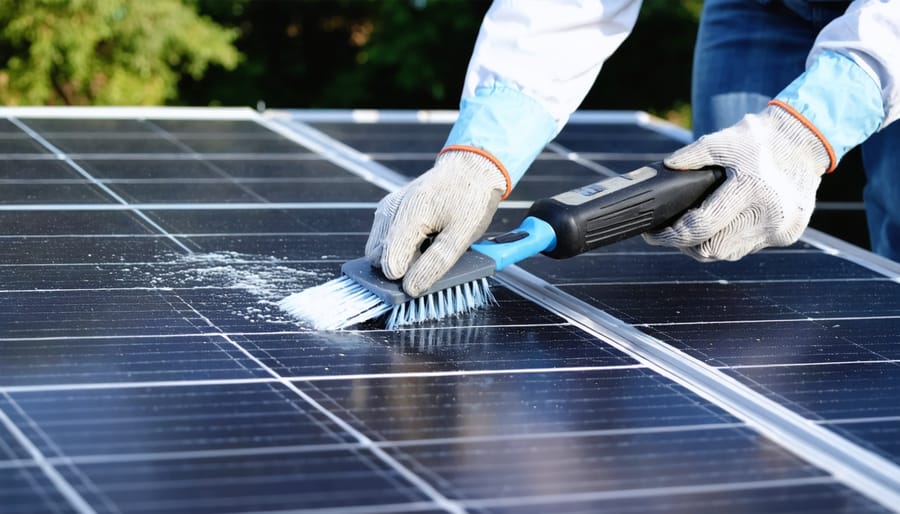
For basic cleaning, all you need is a garden hose, soft brush, and some mild soap. The cost? Practically nothing if you do it yourself. Budget about 30 minutes per cleaning session once you get the hang of it.
Visual inspections should happen during each cleaning. Look for cracks, discoloration, or debris buildup around the frames. Check that mounting hardware looks secure and that no critters have decided to nest underneath. These quick checks can catch small problems before they become expensive repairs, keeping your maintenance costs predictable and manageable.
Regular cleaning is one of the simplest and most cost-effective maintenance tasks DIY solar owners can perform themselves.
Inverters, Batteries, and Other Components
While solar panels themselves are pretty low-maintenance, the other components in your system need a bit more attention. Let me walk you through what to expect with inverters, batteries, and the supporting equipment that keeps your system humming along.
Your inverter is essentially the brain of your solar setup, converting the DC power from your panels into usable AC electricity. String inverters typically last 10-15 years and cost between $1,000 to $2,500 to replace, depending on your system size. Microinverters usually come with longer warranties (20-25 years) but cost more upfront. I learned this the hard way when my first inverter failed at year 12, right when I’d stopped budgeting for it. Now I set aside about $10-15 monthly in an “inverter fund” so replacement doesn’t catch me off guard.
If you’ve got a battery storage system, that’s where maintenance costs can really add up. Most lithium-ion batteries last 10-15 years but lose capacity over time. Replacement costs range from $5,000 to $15,000 depending on capacity. The good news? Batteries need minimal maintenance beyond keeping them clean and monitoring their charge cycles through your system’s app.
Charge controllers for off-grid systems typically last 15-20 years and cost $150-600 to replace. Annual inspection runs about $50-100 if you hire someone, though checking connections and cleaning terminals is totally DIY-friendly.
Wiring rarely needs replacement unless you’ve got rodent damage or poor initial installation. Budget around $200-500 for repairs if needed. Regular visual inspections every six months help catch issues early. Understanding how solar panels work with these components helps you spot problems before they become expensive emergencies.
Your DIY Maintenance Toolkit (And What It Costs)
When I first started maintaining my solar panels, I made the classic beginner mistake of heading to the hardware store without a plan. I ended up with a $60 squeegee designed for skyscrapers and cleaning solution that left streaks everywhere. Learn from my fumbles and start with the essentials.
Your basic solar panel maintenance toolkit doesn’t need to break the bank. Here’s what actually works:
For cleaning, you’ll need a soft-bristle brush with an extension pole. I recommend the Unger HiFlo nLite cleaning brush system, which runs about $45-75 depending on pole length. The telescoping pole lets you reach panels safely from the ground, which is worth every penny for peace of mind. If you’re on a tighter budget, a standard car wash brush with extension pole from your local hardware store works fine at $20-30.
A basic garden hose with adjustable nozzle is your best friend here. You probably already have one, but if not, expect to spend $15-25. Skip the pressure washer, seriously. I learned that lesson when I nearly damaged my panel seals.
For cleaning solution, plain distilled water often does the trick. A gallon costs about $1-2. For stubborn grime, mix in a few drops of dish soap. Avoid dedicated solar panel cleaners unless you’re dealing with persistent residue, they typically run $15-20 per bottle and aren’t usually necessary.
Safety equipment is non-negotiable. A sturdy ladder costs $100-200 if you don’t have one. Add non-slip shoes ($40-80) and work gloves ($10-15). If you’re comfortable on your roof, a safety harness system runs $150-250 but could save your life.
For inspections, grab a basic multimeter ($20-40) to check voltage and current output. Your smartphone works perfectly for documenting panel condition with photos.
Total startup cost: $200-400 for a comprehensive toolkit, or as little as $50-100 if you already have basic equipment and stick with essentials.
Most supplies last years, making DIY maintenance incredibly cost-effective long-term. I’m still using the same brush I bought three years ago.
Essential tools and components for solar panel maintenance are surprisingly affordable and accessible for DIY enthusiasts.
The Monthly, Seasonal, and Annual Maintenance Schedule
Quick Monthly Checks (15 Minutes, Almost Free)
Here’s my confession: I used to worry constantly about my solar panels until I realized the most effective maintenance costs absolutely nothing. Every month, I spend just 15 minutes doing quick checks that have saved me thousands in potential repairs.
Start with a simple ground-level visual inspection. Walk around your property and look up at your panels. You’re checking for obvious issues like accumulated debris, bird nests, or visible damage. I’ve caught cracked panels this way before they became expensive problems. No ladder required for this step, just your eyes and decent weather.
Next, check your monitoring app. Most modern solar systems come with free smartphone monitoring that shows energy production. Compare this month’s output to the same month last year. If there’s a significant drop without obvious weather changes, something needs attention. This two-minute habit has alerted me to shading issues from growing trees and one failing inverter.
Finally, inspect the area around your ground-mounted equipment or inverter. Look for wasp nests, rodent activity, or vegetation growing too close. I once found a wasp nest building inside my inverter housing during a monthly check, preventing what could have been a costly repair.
These simple habits take less time than brewing your morning coffee but provide early warning signs that prevent the expensive emergency calls nobody wants to budget for.
Seasonal Deep Dives
While monthly checks keep your system ticking along nicely, deeper seasonal maintenance ensures everything’s working at peak performance. Think of it like getting your car serviced – you check the oil weekly, but twice a year, you want a mechanic to look under the hood.
I learned this lesson the hard way during my second year with solar panels. I’d been diligent with my monthly visual checks, feeling pretty proud of myself. But when I finally did a proper deep dive inspection, I discovered some corroded connections that had been quietly reducing my system’s efficiency by about 12 percent. Not catastrophic, but definitely costing me money I didn’t need to lose.
For a thorough quarterly or bi-annual deep clean, budget between 150 to 400 dollars if you’re hiring professionals. This includes a complete panel wash (not just a quick rinse), inspection of all electrical connections, inverter performance testing, and mounting hardware checks. Some companies offer seasonal maintenance packages that bring this cost down to around 250 dollars per visit when you commit to regular service.
The DIY route for seasonal deep dives is absolutely doable and costs significantly less – usually around 50 to 100 dollars for cleaning supplies, multimeter if you don’t have one, and any minor replacement parts. Set aside a Saturday morning, grab your safety gear, and you can accomplish most of these tasks yourself. Just remember that anything involving opening electrical boxes or working with high-voltage components should be left to licensed electricians. Your safety and your warranty are worth that professional fee.
Regular visual inspections by homeowners help catch potential issues early while keeping professional service costs minimal.
When to DIY and When to Call a Pro
Let me share something I learned the hard way: not all solar maintenance tasks are created equal. Last spring, I spent a Saturday morning cleaning my panels with a soft brush and garden hose, saving myself about $150 in professional cleaning fees. The job took maybe two hours, and I felt pretty accomplished. But six months later, when my monitoring system showed unusual voltage readings, I immediately called a certified technician. That $200 service call revealed a loose connection in my combiner box that could have caused serious problems if left unchecked. Sometimes saving money means knowing when to spend it.
For most homeowners, visual inspections and basic cleaning are perfect DIY territory. You can safely clean panels from the ground using an extension pole with a soft brush attachment (about $30-50 investment), and regular visual checks for debris, animal nests, or obvious damage cost nothing but your time. I do a quick walk-around inspection monthly, which takes about ten minutes. The key is staying safe: if your panels require climbing onto the roof, consider whether you have proper safety equipment and experience. A $100-200 professional cleaning might be cheaper than a hospital visit.
Where you should definitely call professionals is anything involving electrical work or safely disconnecting solar panels. Licensed electricians understand the specific safety protocols for working with solar systems, which can produce dangerous voltage even on cloudy days. Annual professional inspections typically run $150-300 but include testing connections, verifying system performance, and catching problems before they become expensive repairs.
The cost comparison is straightforward: DIY cleaning saves $100-200 per session, but DIY electrical work risks voiding warranties, creating fire hazards, or worse. I’ve found the sweet spot is handling routine cleaning and monitoring myself while budgeting $300-500 annually for professional inspections and any technical issues. This approach has kept my system running efficiently for five years while keeping maintenance costs predictable. Your comfort level and roof accessibility will guide your specific choices, but remember that solar systems are long-term investments where cutting corners on safety never pays off.
Smart Shortcuts That Save You Money
Over my years working with solar panels, I’ve picked up some clever tricks from the DIY community that genuinely make a difference to your bottom line. These aren’t corner-cutting measures, but smart strategies that work.
Start with prevention, which is always cheaper than cure. I learned this the hard way when a simple leaf guard could have saved me $200 in panel cleaning. Install bird deterrents early, especially wire mesh under your panels. Birds love nesting there, and their mess creates hot spots that reduce efficiency by up to 25%. A $30 mesh installation beats a $150 professional cleaning any day.
Here’s a game-changer: create a maintenance fund using your energy savings. When I started building a zero energy home, I automatically transferred 2% of my monthly electric bill savings into a dedicated account. After two years, I had enough to cover any repair without stress.
For cleaning, skip expensive commercial solutions. My community swears by a mixture of white vinegar and water (1:8 ratio) with a drop of dish soap. It works just as well as the $25 bottles, costs pennies, and you probably have it in your kitchen already. Use a soft car wash brush on an extendable pole to avoid ladder rentals.
Monitor your system daily through your inverter’s app. Catching a 5% efficiency drop early means a quick DIY fix instead of a $300 emergency call. Set up automatic alerts so you never miss performance changes.
Join online solar communities where members share bulk-buying opportunities for replacement parts. I’ve saved 40% on MC4 connectors and fuses by participating in group orders. These communities also offer troubleshooting advice that’s saved me countless service calls.
Finally, document everything with photos and notes. This maintenance log helps you spot patterns, warranty claims become easier, and if you eventually need professional help, technicians charge less when they understand your system’s history upfront.
Common Maintenance Mistakes That Cost You More
I learned this lesson the hard way during my second year with solar panels. I decided to “save money” by skipping the annual cleaning, thinking a little dust wouldn’t hurt. Six months later, my energy output had dropped by nearly 18%, and I was kicking myself for that false economy. That lost production cost me far more than a simple cleaning would have.
One of the biggest mistakes I see in our DIY community is using household glass cleaners on panels. A community member once shared how they’d been using Windex for years, not realizing the ammonia was slowly degrading the anti-reflective coating. By the time they noticed the cloudy residue, they’d shortened their panels’ effective lifespan by years. Stick to plain water or proper solar panel cleaning solutions, which typically cost under $15 per bottle and last months.
Another costly error is ignoring small issues because they seem manageable. Loose mounting bolts, minor wiring concerns, or small cracks might not seem urgent, but they compound quickly. A friend delayed fixing a $30 micro-crack repair, and six months later, moisture infiltration had caused $800 in damage to the entire panel. Address small problems immediately, they’re always cheaper to fix early.
Perhaps the most expensive mistake is attempting electrical repairs without proper knowledge. While I’m all for DIY spirit, working with DC electrical systems requires specific expertise. One community member tried rewiring their inverter connections to save $200 on an electrician and ended up with a fried inverter worth $1,500. Know your limits. Basic cleaning and visual inspections are perfect DIY territory, but electrical work often requires professional help. That’s not defeat, that’s smart investing in your system’s longevity.
Here’s the truth I’ve learned after years of maintaining my own solar setup: keeping your panels in top shape costs far less than most people fear. When you break down the numbers, we’re typically talking about $150-$300 annually for a standard residential system if you handle the basics yourself. That’s less than what many of us spend on a single month of traditional electricity bills.
The key is changing how you think about these costs. I don’t see maintenance as an expense anymore. It’s an investment that protects the bigger investment sitting on my roof. Every dollar I spend on cleaning supplies or the occasional professional inspection saves me exponentially more in preserved efficiency and extended system lifespan. My panels have been producing clean energy for over a decade now, and the total maintenance cost over that time is still just a fraction of what I would have paid in utility bills.
The beauty of solar maintenance is that it works with any budget. Start small with DIY cleaning and visual inspections. As you get comfortable and your system proves its value, you can add professional inspections every few years. There’s no right or wrong approach, only what works for your situation and comfort level.
Ready to get specific numbers for your system? Check out our maintenance cost calculators and downloadable maintenance guides to create a personalized schedule that fits your budget. Remember, a little attention today means decades of reliable, cost-effective solar power tomorrow. Your future self will thank you for taking these simple steps now.
How useful was this post?
Click on a star to rate it!
Average rating 0 / 5. Vote count: 0
No votes so far! Be the first to rate this post.
We are sorry that this post was not useful for you!
Let us improve this post!
Tell us how we can improve this post?
charlesnoble
Here at Spheral Solar, I’m a hands-on solar power enthusiast, constantly exploring and experimenting with DIY solutions. I’m dedicated to sharing my discoveries, insights, and even the bumps I hit along the way, all in the pursuit of a more sustainable future.
Dirty Solar Panels Are Costing You Money (Here’s How… by Nick November 5, 2025 Clean your solar panels every 3-6 months to maintain peak efficiency—dirty panels can lose up to 25% of their energy output. Regular maintenance takes just an hour and requires minimal equipment, making it one of the most cost-effective ways to maximize your solar investment. Start by checking your system’s performance…
Why Florida Homeowners Are Going Solar (And How You Can Too) by Charlesnoble March 6, 2026 Calculate your home’s solar potential by checking your annual electricity bills and measuring your available south-facing roof space—Florida homes typically need 20-30 panels to offset 100% of energy usage. Contact your utility provider to understand net metering policies, as companies like Duke Energy, FPL, and Tampa Electric have different buyback…
How I Built a Zero Energy Home Without Breaking the Bank by Charlesnoble November 14, 2025 **Imagine slashing your electricity bill to zero—permanently.** A zero energy home produces as much renewable energy as it consumes over the course of a year, transforming your house from an energy drain into a self-sustaining powerhouse. It’s not science fiction or reserved for millionaires; thousands of homeowners are already living…
Why Commercial Rooftop Solar Isn’t Just for Experts… by Charlesnoble January 2, 2026 Calculate your building’s solar potential by measuring the usable roof area—subtract space for HVAC units, vents, and required maintenance walkways, then multiply by 15 watts per square foot for a quick capacity estimate. Most commercial roofs between 5,000 and 50,000 square feet can support systems ranging from 30kW to 400kW,…
Six Energy Sources That Work With Your Solar Panels… by Charlesnoble December 16, 2025 Harness the sun’s energy streaming onto your roof right now—solar panels convert sunlight into electricity that powers your home while slashing monthly utility bills. Capture moving air with residential wind turbines mounted on your property, generating supplemental power during breezy days and nights when solar production drops. Tap into the…
Your Dream Home Can Run on Pure Sunshine (Here’s How) by Charlesnoble October 12, 2025 Transform your home into a self-sustaining powerhouse that produces as much energy as it consumes. Zero-energy homes represent the pinnacle of sustainable living, combining advanced architectural design with cutting-edge renewable technology to eliminate utility bills while maximizing comfort. Through strategic implementation of benefits of solar energy, superior insulation, and smart…
Subscribe for handpicked DIY projects, exclusive tips, and giveaways.
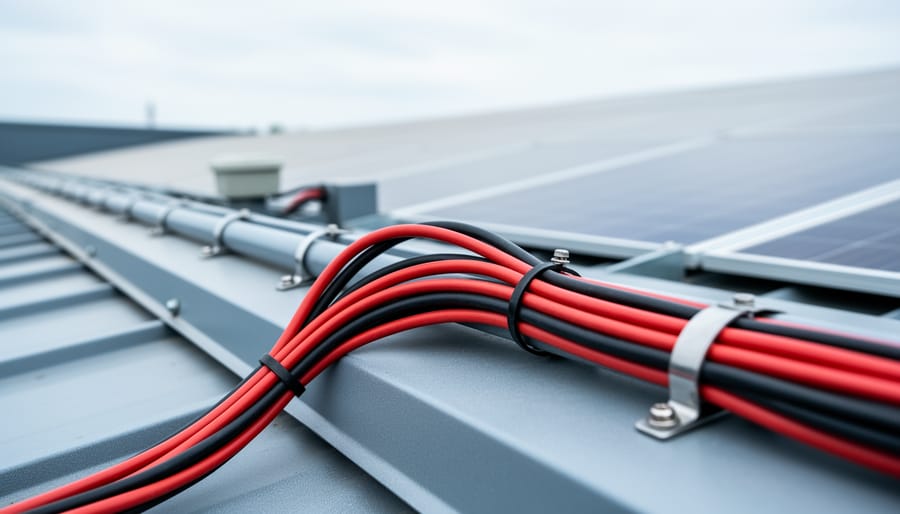
Route your PV wires through UV-resistant conduit within 18 inches of leaving the solar array, securing it every 3 feet with proper clamps to prevent wind damage and code violations. This single step prevents 80% of the wire degradation issues I’ve seen in DIY solar installations over the past decade. Group your positive and negative… Read more: Why Your PV Wire Management Could Fail Inspection (And How to Fix It)
Understand that 6000 volts sounds terrifying but delivers surprisingly low amperage—typically around 120 milliamps for just 3/10,000th of a second per pulse. This combination creates an unforgettable shock that trains animals to avoid the fence without causing lasting harm. The voltage pushes current through thick fur and hide, while the minimal amperage and microsecond duration… Read more: Why 6000 Volts Won’t Kill Your Livestock (But Will Stop Predators Cold)
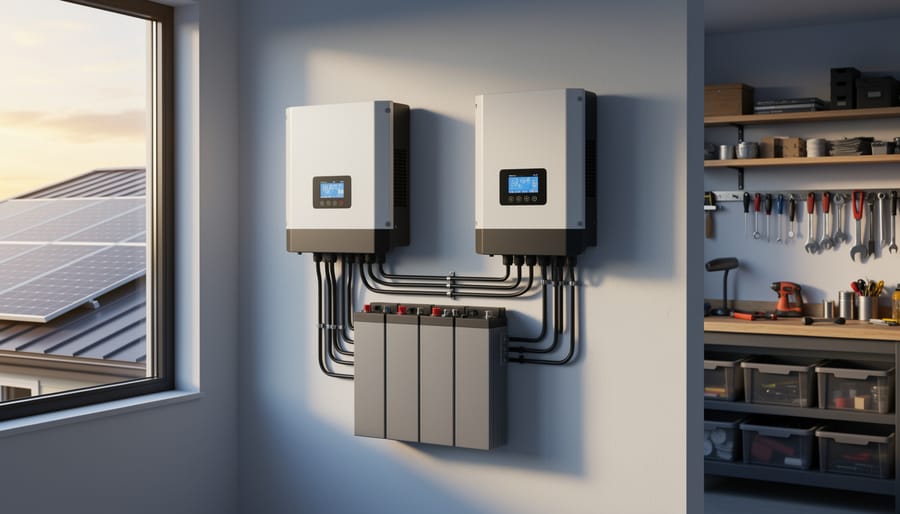
Check the maximum voltage and current ratings first—these determine whether your controller can actually handle your solar panel array without frying itself on the first sunny day. I learned this the hard way when my first DIY system shut down every afternoon because I’d paired 600 watts of panels with a controller rated for only… Read more: Why Your Solar Setup Needs Both a Charge Controller and Inverter (And How to Pick the Right Ones)