
charlesnoble
-
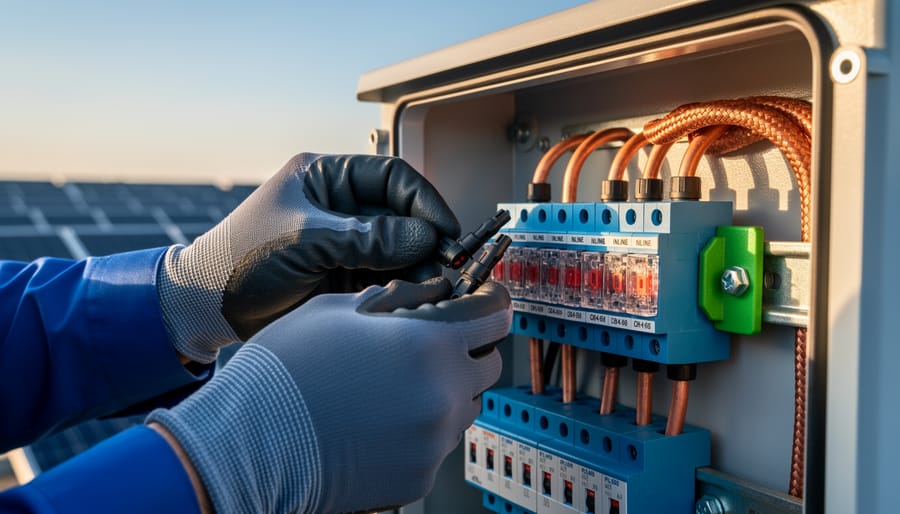
Wire Your Solar Panels Wrong and Watch Your Efficiency Disappear
Match your wire gauge to your system’s amperage before making a single connection—undersized wire creates dangerous heat buildup and wastes the energy you worked hard to capture. For most residential 12V systems running under 30 amps, 10 AWG copper wire handles the load safely, but calculate your specific needs using voltage drop formulas to prevent…
-

Why Your Pool Deserves Floating Solar Lights (And How to Choose the Right Ones)
Picture this: It’s a warm summer evening, and your pool transforms into a glowing oasis without adding a single dollar to your electricity bill. That’s the magic of floating solar lights—simple devices that charge during the day and automatically illuminate your pool at night, creating ambiance while eliminating the headache of wired installations or battery…
-
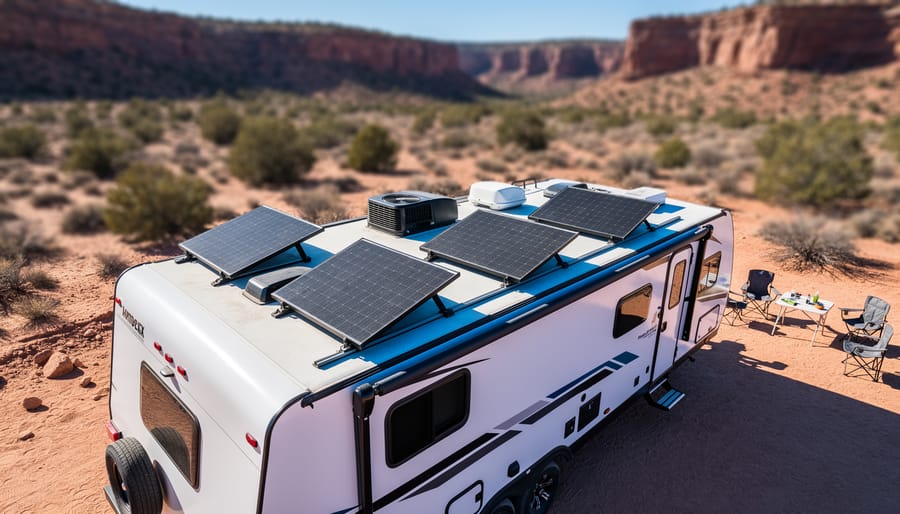
Why Most RV Solar Setups Fail (And How to Build Yours Right)
Calculate your daily power consumption by listing every device you’ll run in your RV—from the refrigerator drawing 40-60 amp-hours daily to your phone charger using just 5 amp-hours—then multiply by 1.3 to account for system losses and cloudy days. This single step prevents the most common mistake I see fellow RV solar enthusiasts make: underestimating…
-
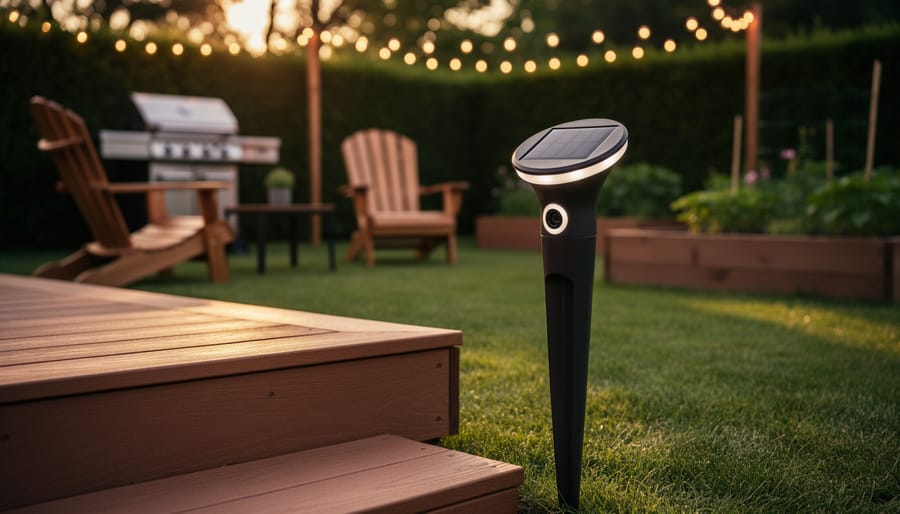
Solar Pest Repellent That Actually Works (And Saves You Money)
Mosquitoes ruined my backyard barbecues for years until I discovered solar pest repellents could create an invisible barrier around my deck without extension cords or monthly electricity bills. These devices harness sunlight to power ultrasonic waves, electromagnetic pulses, or LED lights that claim to repel everything from rodents to insects, but the reality is more…
-

The Perfect Pair: Home Renovations and Solar Integration for a Sustainable Future
As the demand for sustainable living continues to grow, homeowners are increasingly looking beyond traditional upgrades to make their homes more efficient and environmentally responsible. One of the smartest ways to achieve both is by combining home renovations with solar installation. Whether you’re remodeling a luxury residence or updating an older property, planning your renovation…
-

Why 8 AWG Solar Cable Changed How I Wire My Solar Projects (And Why Size Really Matters)
Choosing 8 AWG solar cable for your DIY solar installation comes down to understanding one critical factor: how much current your system pushes through the wires and over what distance. If you’re running a 400-watt solar panel setup at 12 volts, you’re looking at roughly 33 amps of current, and 8 AWG handles up to…
-

Why Your 8kW Off-Grid Solar System Might Be Wasting Half Its Power
Calculate your actual daily energy consumption in watt-hours before investing a single dollar—not your estimated usage, but real measurements taken over at least two weeks using a kill-a-watt meter on every circuit. An 8kW off-grid system produces roughly 32-40 kWh daily under ideal conditions, but real-world performance drops 20-30% due to battery inefficiencies, inverter losses,…
-

Six Energy Sources That Work With Your Solar Panels (And Why You Need Them)
Harness the sun’s energy streaming onto your roof right now—solar panels convert sunlight into electricity that powers your home while slashing monthly utility bills. Capture moving air with residential wind turbines mounted on your property, generating supplemental power during breezy days and nights when solar production drops. Tap into the earth’s constant underground temperature through…
-
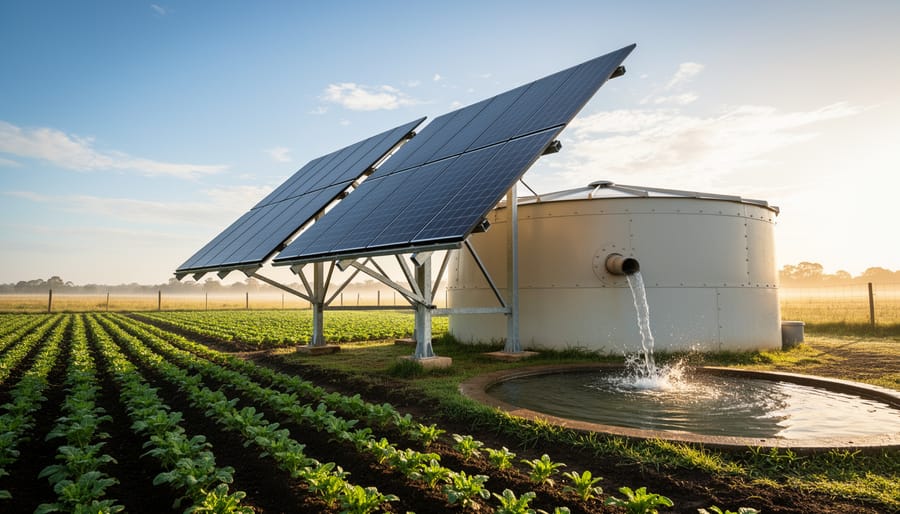
Why Your Farm Needs Solar Water Pumping That Follows the Sun
Picture this: Your crops are wilting under the afternoon sun while your water pump sits idle because electricity costs spike during peak hours. Or worse, you’re in a remote field with no grid connection at all. I faced this exact frustration on my cousin’s farm three summers ago, watching perfectly good irrigation equipment gather dust…
-
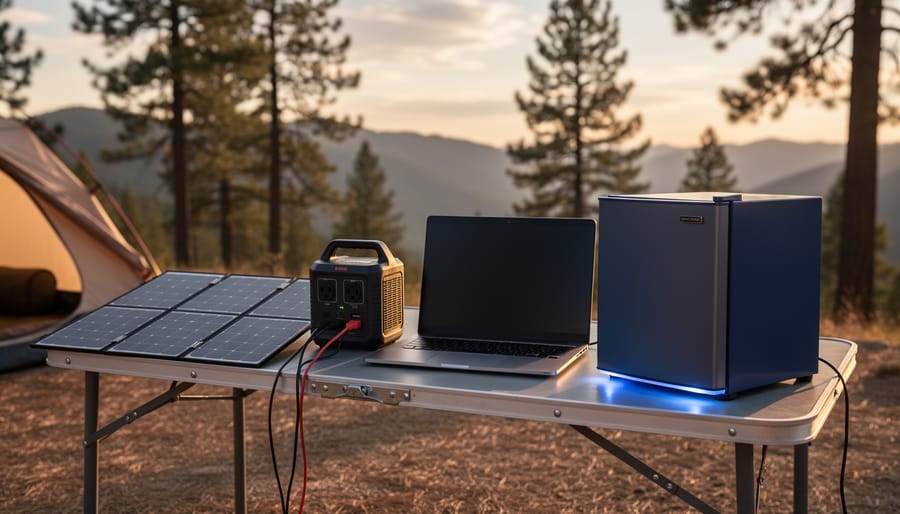
Right-Sizing Your Solar Generator: Why Most People Get It Wrong (And How to Calculate It Perfectly)
Calculate your daily watt-hour consumption by listing every device you plan to power, multiplying each item’s wattage by the hours you’ll run it, then adding everything together. A laptop drawing 65 watts for 4 hours needs 260 watt-hours, while a mini-fridge at 60 watts running 8 hours requires 480 watt-hours. This total becomes your baseline…
-
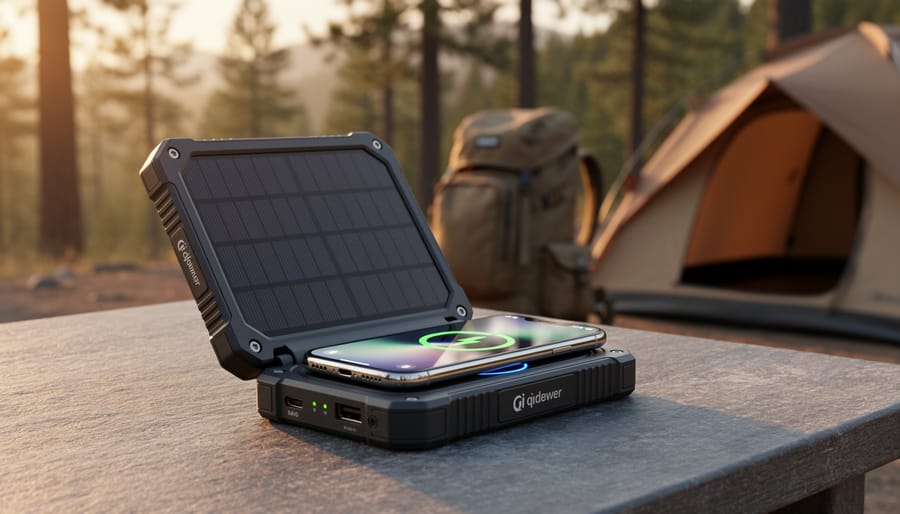
Why Your Qi Solar Power Bank Might Be Wasting Your Time (And Which Ones Actually Work)
Expect your qi solar power bank to charge your phone wirelessly, but don’t count on the solar panel as your primary power source. I learned this the hard way during a three-day camping trip when I thought the built-in solar panel would keep my devices running indefinitely. The reality? Those small panels generate maybe 5-10%…
-
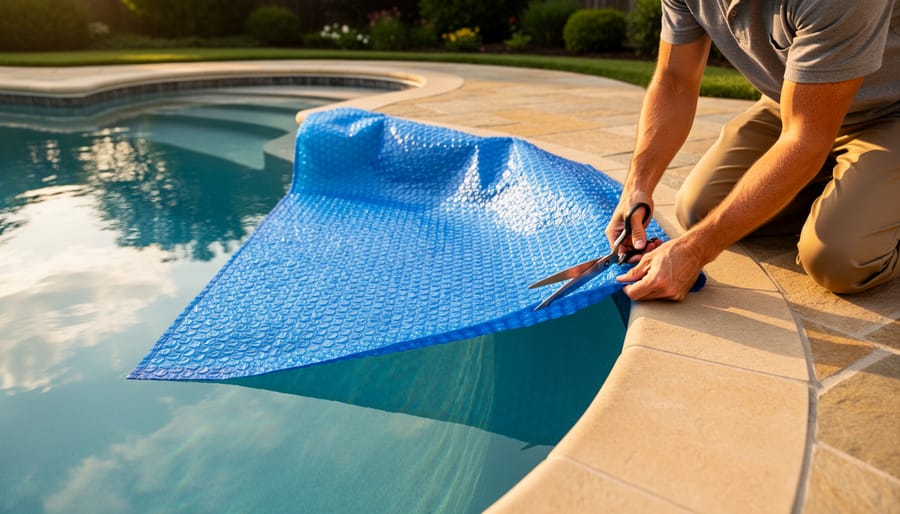
How to Cover Your Oddly-Shaped Pool Without Wasting Money on Custom Covers
Measure your pool’s widest points and order a rectangular solar cover 2-3 feet larger than these dimensions—you’ll trim it to fit your kidney, L-shaped, or freeform pool for a fraction of custom cover costs. Most pool owners with irregular shapes successfully use standard rectangular covers by either overlapping multiple smaller covers or cutting a single…
-
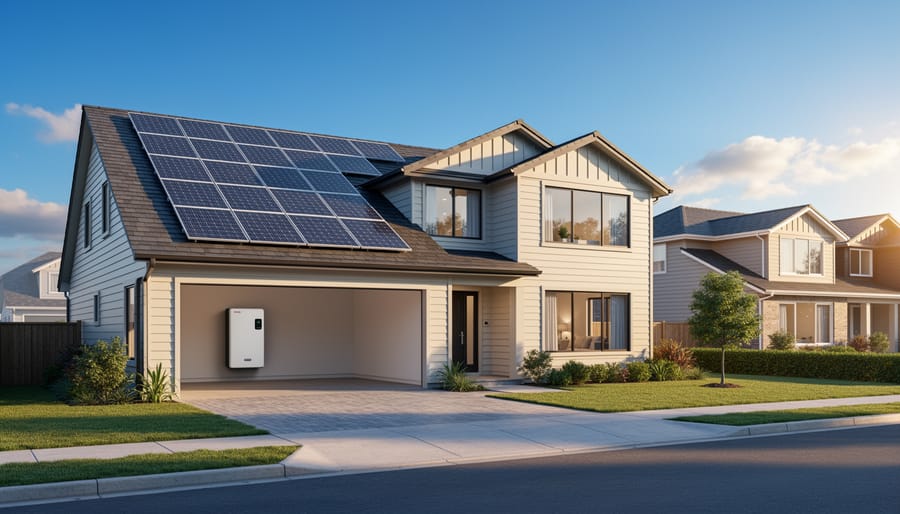
How Solar Energy Actually Works in Your Home (And Why Storage Changes Everything)
Capture sunlight with photovoltaic panels that convert solar radiation into direct current electricity through semiconductor technology. Position your panels at the optimal angle for your latitude—typically between 30 and 45 degrees in most locations—to maximize energy absorption throughout the day. Store excess electricity in deep-cycle lithium or lead-acid batteries, which act as your energy reservoir…
-
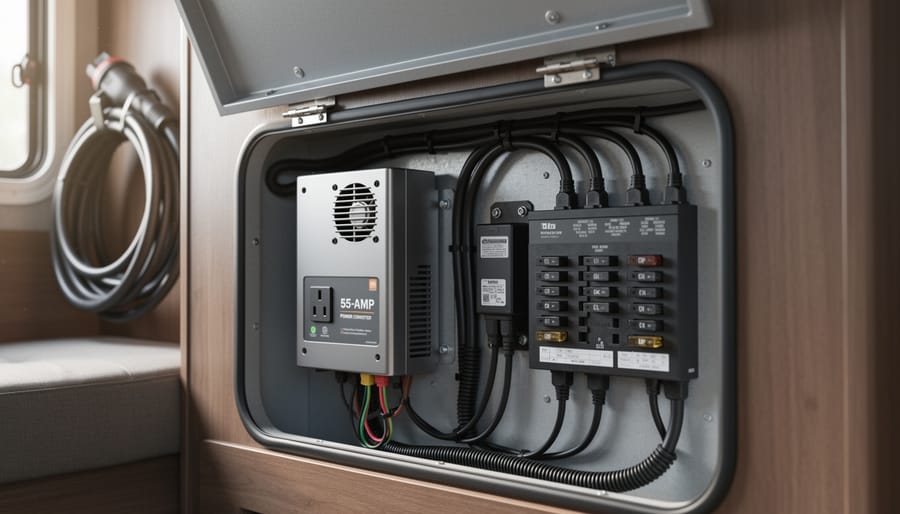
Why Your RV Battery Dies Overnight (And How a 55 Amp Converter Fixes It)
Your RV’s lights are flickering, the refrigerator isn’t keeping food cold, and your phone charger barely works. Sound familiar? That frustrating power struggle often points to an undersized or failing power converter, and upgrading to a 55 amp RV power converter might be exactly what you need. Here’s what’s happening: Your RV’s converter transforms 120-volt…
-

Solar Driveway Lights That Actually Work (No Electrical Bills Required)
Picture this: You’re pulling into your driveway after dark, and instead of fumbling for a flashlight or navigating by memory, your path is illuminated by a gentle row of lights that cost you absolutely nothing to operate. No electrician bills, no trenching through your yard, and no spike in your monthly utility costs. That’s the…
-
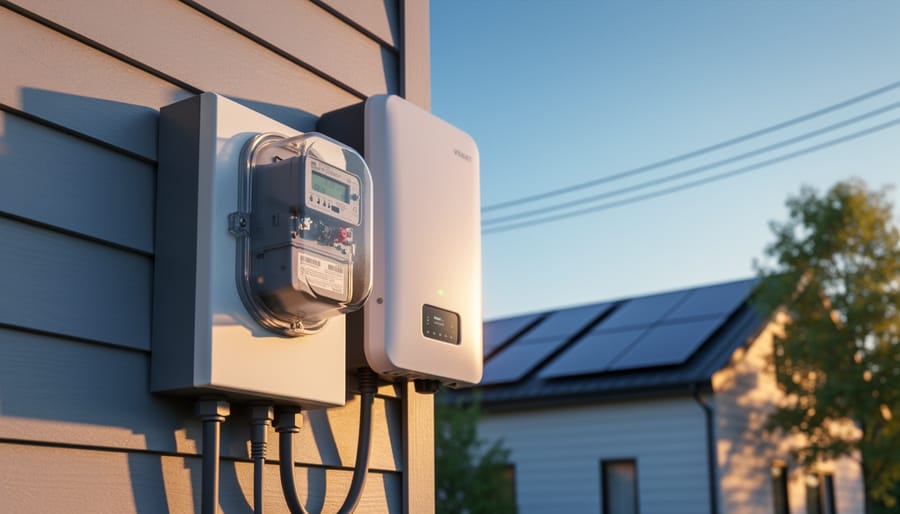
Why Grid-Tie Solar Inverters Are Your Gateway to Energy Independence (Without Breaking the Bank)
Grid-tie solar inverters transform your solar panels’ DC electricity into AC power that feeds directly into your home’s electrical system and the utility grid, eliminating the need for expensive battery banks while letting you earn credits for excess power you generate. When your panels produce more electricity than you’re using, the surplus flows back to…
-

Why Lithium-Ion Batteries Changed Everything About Solar Storage (And What You Need to Know)
Match your battery’s voltage to your solar panel system—12V, 24V, or 48V configurations must align perfectly, or you’ll waste energy through conversion losses and potentially damage expensive equipment. Check the battery’s amp-hour (Ah) rating against your daily power consumption: multiply your total watt-hours by 1.2 to account for inefficiency, then divide by your system voltage…
-
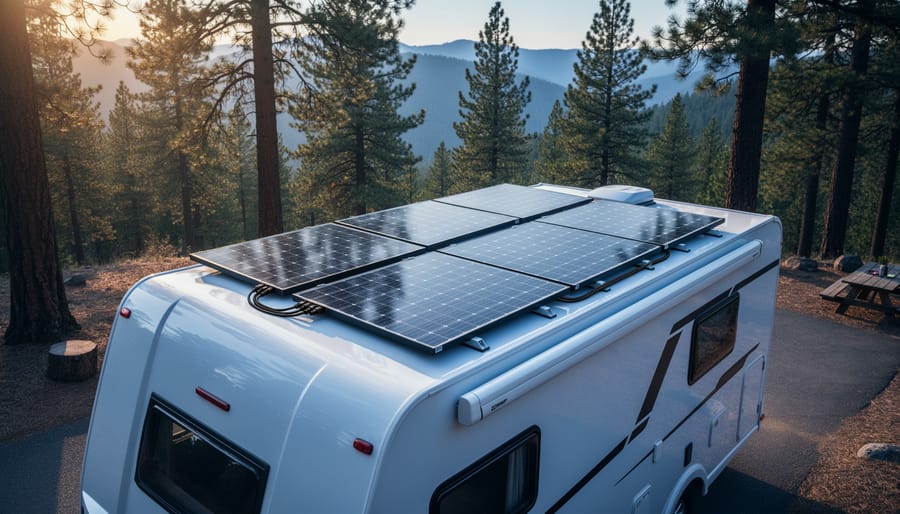
Why Series-Parallel Is the Sweet Spot for Small Solar Setups
Connect two panels in series to double your voltage, then wire two of these series pairs in parallel to maintain higher voltage while increasing your amperage—this series-parallel configuration gives you the sweet spot between performance and practicality for most small-scale solar setups. I learned this the hard way during my first RV solar installation when…
-
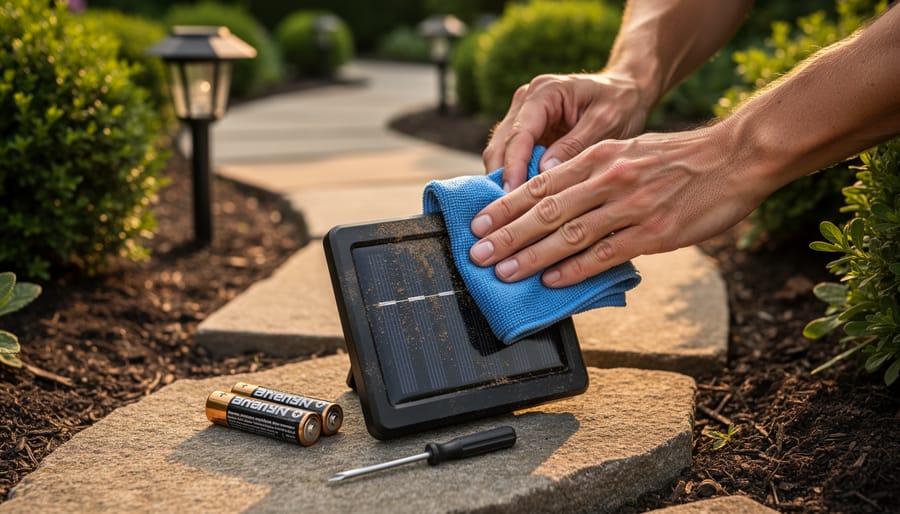
Why Your Solar Lights Stop Working (And How to Fix Them Fast)
Check the solar panel first by wiping away dirt, leaves, and debris that block sunlight absorption. A grimy panel is the number one reason solar lights stop working, and a simple cleaning with soapy water restores function in about 60% of cases. While you’re at it, reposition any lights that have shifted into shaded areas…
-
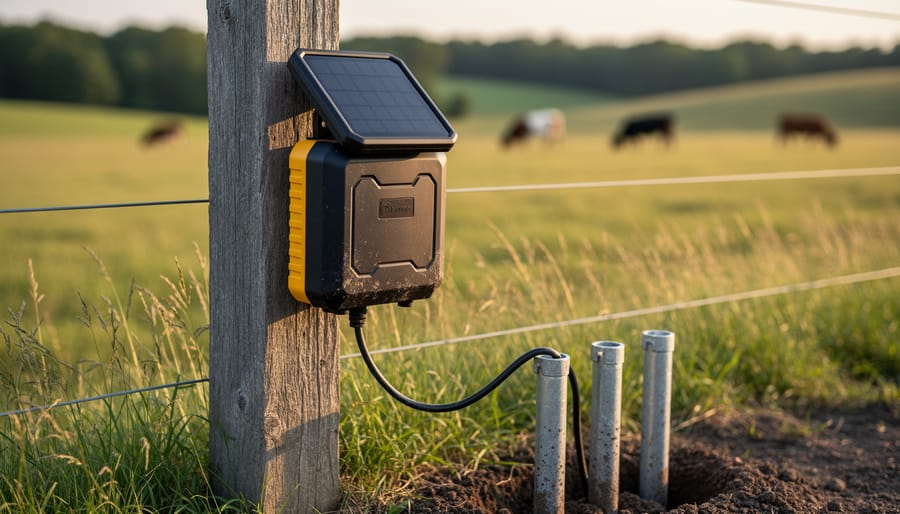
How Far a 5 Mile Solar Fence Charger Actually Reaches (And Which One You Need)
Understand that the “5 mile” rating on solar fence chargers doesn’t mean your fence will shock animals five miles away—it refers to the maximum length of wire the charger can energize under perfect conditions. In reality, expect effective coverage for 2-3 miles of actual fencing once you factor in vegetation touching the fence, wire gauge,…
-

Why Your RV Solar Panels Aren’t Charging (And How to Fix Voltage Drops)
Check your multimeter readings at each connection point along your solar charging path—from panels to charge controller to battery—to pinpoint exactly where voltage disappears. Most RV solar systems lose 10-30% of their potential power to voltage drop, but this invisible thief often goes undetected until you systematically measure and compare voltages at every junction. Start…
-
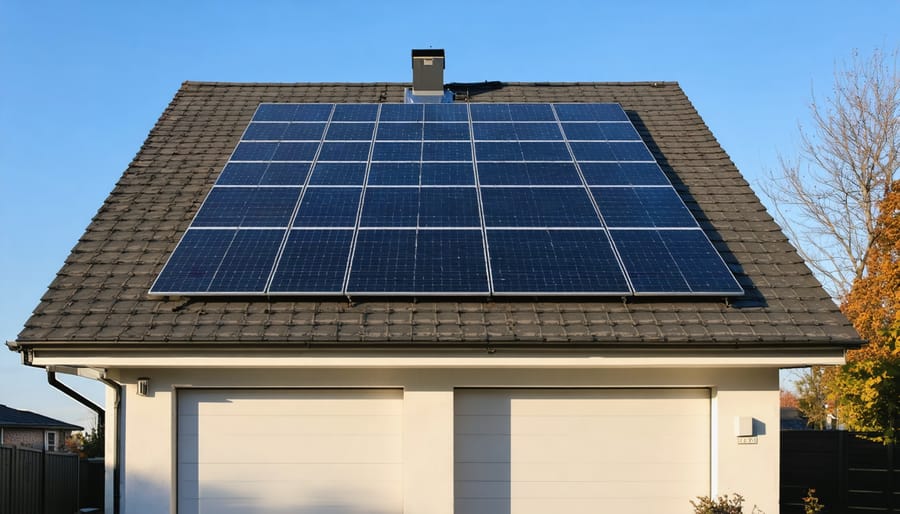
How Many kWh Does Your Solar System Actually Need? (Real Numbers for Real Homes)
Calculate your daily energy consumption by checking your utility bill for the monthly kilowatt-hour (kWh) usage, then divide by 30 to get your average daily number. This single figure becomes your North Star for sizing any solar system, whether you’re powering a full household, weekend cabin, or portable camping setup. Multiply your daily kWh by…
-
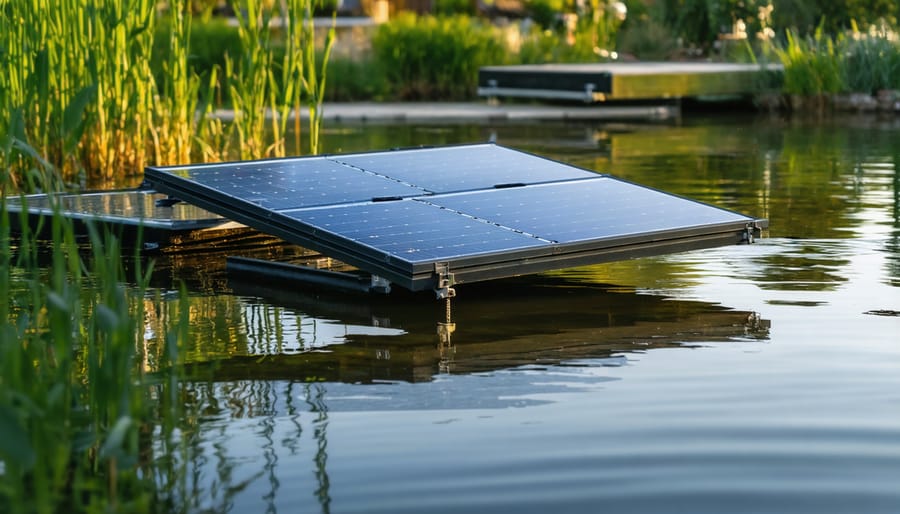
Floating Solar Panels Could Change Where You Generate Power
Picture your backyard pond doing double duty: supporting wildlife while generating clean electricity for your home. That’s the promise of floating solar panels, an innovation that’s transforming how we think about renewable energy installation. Floating solar systems, also called floatovoltaics, mount photovoltaic panels on buoyant platforms that rest on water surfaces. While utility companies are…
-
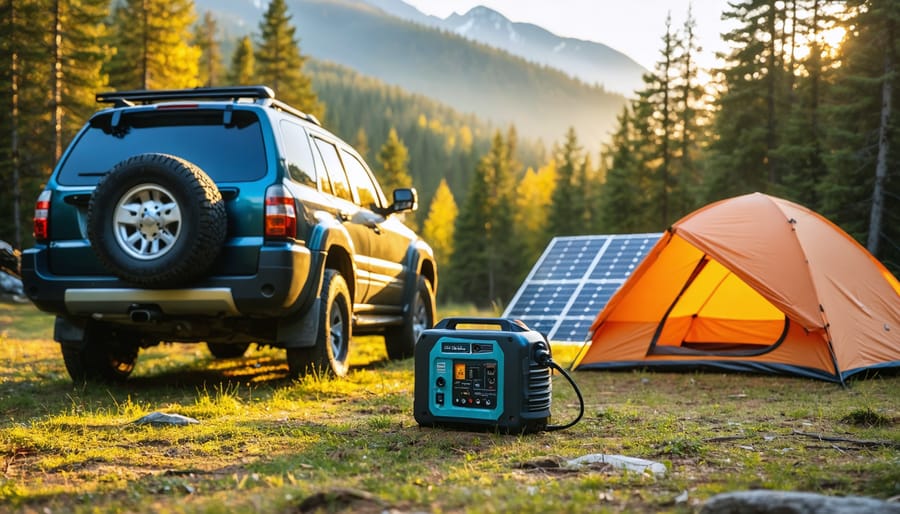
Why Quiet Camping Generators Beat Solar (And When They Don’t)
Choose a generator rated at 50-55 decibels or lower to ensure peaceful camping without disturbing wildlife or neighboring campers—models with inverter technology automatically adjust engine speed based on power demand, reducing noise significantly compared to conventional generators. Look for four-stroke engines with enclosed designs and rubber mounting feet that absorb vibration, as these engineering features…
-

Why Your Solar Watch Needs Different Care Than Regular Timepieces
Protect your solar watch investment by exposing the dial to bright light for at least 8 hours monthly, even when fully charged. This prevents the lithium battery from deep discharge, which permanently reduces its lifespan. Position your watch near a window during work hours or wear it outdoors regularly to maintain optimal charge levels. Clean…
-
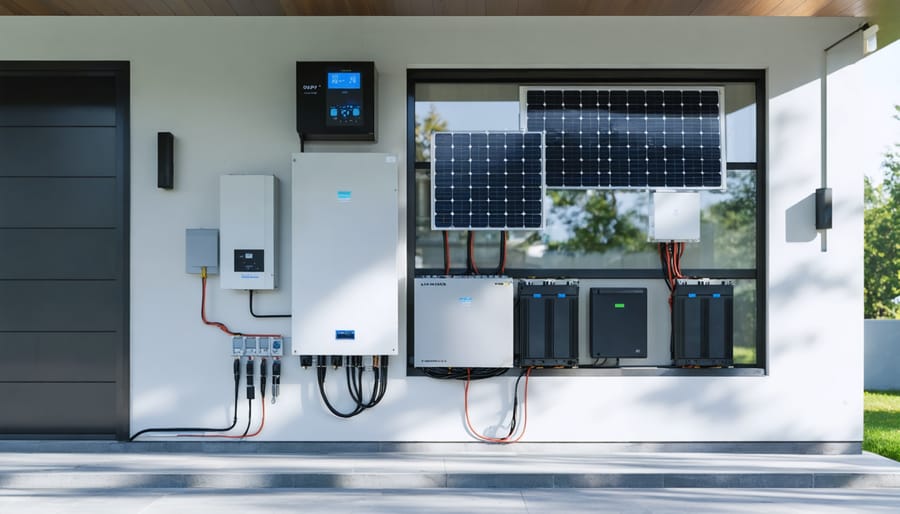
Every Component Your Solar Panel System Actually Needs (And What They Really Do)
Picture this: you’re standing in front of a solar panel, ready to harness free energy from the sun, but you’re not quite sure what else you need to make it actually work. I’ve been there. When I first started tinkering with solar in my garage, I quickly learned that panels are just one piece of…
-

Economic Growth vs. Environmental Protection: Finding the Balance
In the global conversation about progress, one debate continually takes center stage: Economic Growth vs. Environmental Protection. While nations strive to expand industries, build infrastructure, and improve standards of living, these developments often place strain on the natural environment. The challenge lies not in choosing one over the other, but in striking a balance between…
-
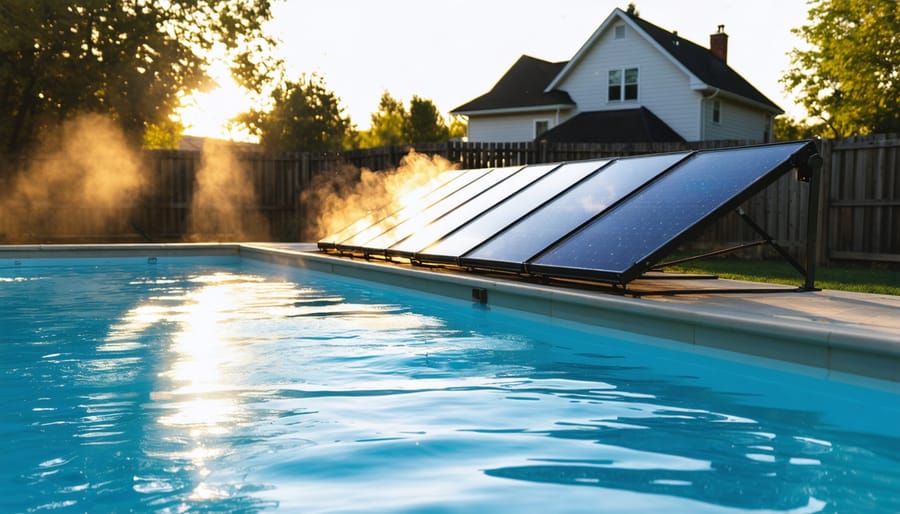
Why Glazed Solar Pool Heaters Outperform Everything Else (And Cost Less Than You Think)
Understand that glazed solar pool heaters are built with a glass or polycarbonate cover over dark absorber plates, creating an insulated greenhouse effect that captures and retains heat far more efficiently than unglazed alternatives. This design makes them capable of extending your swimming season by months, even in cooler climates where temperatures regularly dip below…
-

Stop Frying Your Batteries: How to Size Your Solar Charge Controller in 3 Simple Steps
Multiply your solar panel wattage by 1.25, then divide by your battery voltage—that’s your minimum charge controller amperage. A 400-watt solar array feeding a 12-volt battery bank needs at least a 42-amp controller (400 × 1.25 ÷ 12 = 41.67). This calculation accounts for real-world conditions where panels sometimes exceed their rated output on crisp,…
-
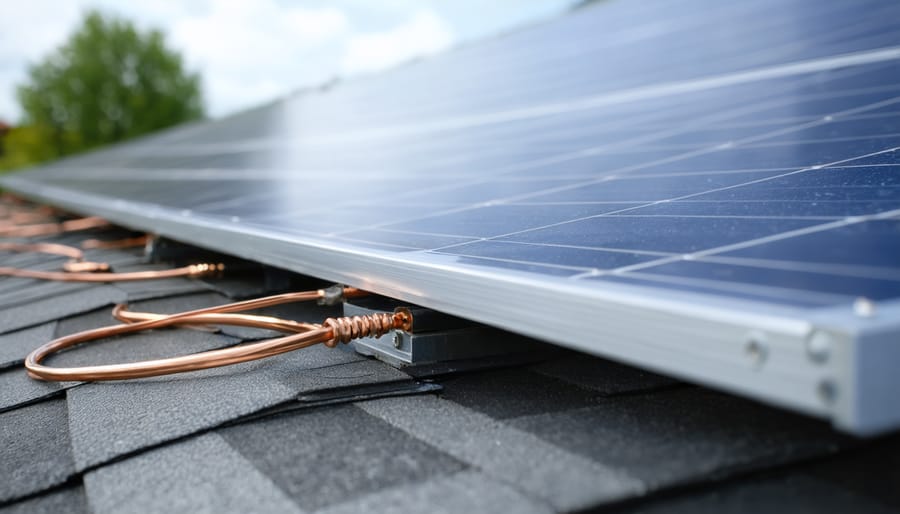
Why Your Solar Array Needs Proper Grounding (Before Lightning Teaches You)
Connect your solar array’s metal frame to a grounding rod driven at least eight feet into the earth near your installation. This creates a safe path for electrical faults and lightning strikes to dissipate harmlessly into the ground instead of through your home’s wiring or, worse, through you. Install grounding lugs on every solar panel…


