Why Zamp Solar Ready Systems Changed How I Power My Camping Adventures
Updated:
Check your RV’s roof before buying anything—that mysterious port up there labeled “solar ready” isn’t actually ready for solar at all. I learned this the hard way during my first camping season when I assumed those two wires meant I could just plug in panels and call it done.
Zamp’s solar ready system solves a common frustration: RV manufacturers install a basic roof port and charge controller, but leave you figuring out the rest. You still need panels, proper wiring, and often battery upgrades to make anything work. The “ready” part simply means Zamp designed their panels with quick-connect plugs that match many factory-installed ports, eliminating the need to drill holes or run new cables through your roof.
The real question isn’t whether your rig has that port—it’s whether Zamp’s premium pricing delivers enough convenience to justify the cost compared to piecing together your own system. After testing this setup across three camping seasons, from weekend trips to month-long adventures off-grid, I’ve seen exactly where it excels and where cheaper alternatives make more sense.
This guide breaks down what you’re actually getting with Zamp’s ecosystem, the hidden costs most dealers won’t mention upfront, and the realistic power output you can expect based on your camping style. Whether you’re running a basic setup for phone charging or powering a full-time rig with multiple batteries, understanding these systems before purchase saves both money and headaches on the road.
What ‘Solar Ready’ Actually Means (And Why It Matters)
The Three Components of a Zamp Solar Ready System
Think of a Zamp Solar Ready system like a well-designed puzzle where three essential pieces fit perfectly together to keep your batteries charged while you’re off exploring.
The roof port is your gateway piece. Mounted on your RV’s roof, it’s essentially a weatherproof electrical outlet specifically designed for solar panels. When I first saw one, I thought it looked like an oversized belly button on top of my camper, but Charles always reminded me that this little port saves you from drilling holes or running wires every time you want to connect panels. You simply plug your Zamp solar panel into this port, and you’re capturing sunshine. No complicated wiring, no wrestling with connections in tight spaces.
Inside your RV, the charge controller acts as the traffic cop for all that solar energy. This component prevents your batteries from overcharging, which can damage them or shorten their lifespan. Think of it like a smart thermostat for your battery system. When your batteries are full, it throttles back the power flow. When they need juice, it opens the gates. The Zamp controller is pre-wired to work with their roof port, eliminating the guesswork that often frustrates first-time solar users.
Finally, the battery connection completes the circuit. This is where all that captured solar energy gets stored for when you actually need it, whether that’s running your fridge overnight or charging devices during cloudy weather. The beauty of this three-component system is that everything’s designed to work together seamlessly. You’re not mixing and matching parts from different manufacturers and hoping they play nice together.
Zamp’s solar ready port system allows quick connection of panels to your RV’s pre-wired infrastructure without complex electrical work.
How Zamp Solar Ready Fits Into Your Camping Power Strategy
RVs and Camper Vans: The Sweet Spot
If there’s one place where Zamp solar ready systems truly shine, it’s in the RV and camper van world. I learned this firsthand during a three-week road trip through the Southwest last summer. My buddy Jake had just installed a Zamp system in his Class B van, and I was genuinely impressed by how seamlessly everything worked together.
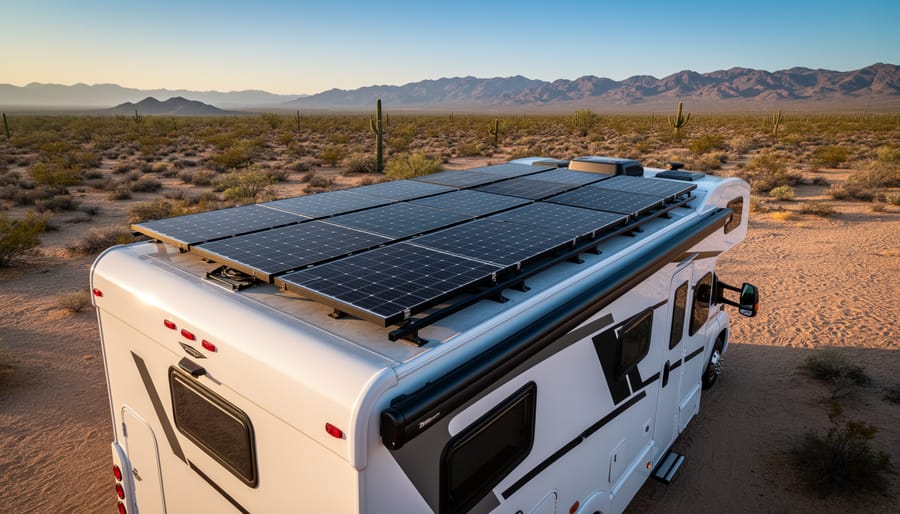
The beauty of solar ready systems in RVs comes down to three main advantages: simplicity, expandability, and peace of mind. When you’re dealing with the unique constraints of mobile living, pre-wired systems eliminate so much guesswork. The wiring from your roof to your battery compartment is already in place, which means you’re not drilling holes or running cables through tight spaces. For weekend warriors who’d rather spend time exploring than troubleshooting electrical issues, this is gold.
What really sets these systems apart for RV applications is the expandability factor. Maybe you start with a single 100-watt panel because you’re just running basics like LED lights and phone chargers. But six months later, you want to add a second panel to power a portable fridge or run your laptop during extended boondocking trips. With RV solar panels that are solar ready compatible, you simply plug in another panel using the existing infrastructure. No electrician needed, no complex rewiring required.
The standardized connections also mean you’re not locked into proprietary systems that might disappear in a few years, giving you genuine flexibility as your power needs evolve.
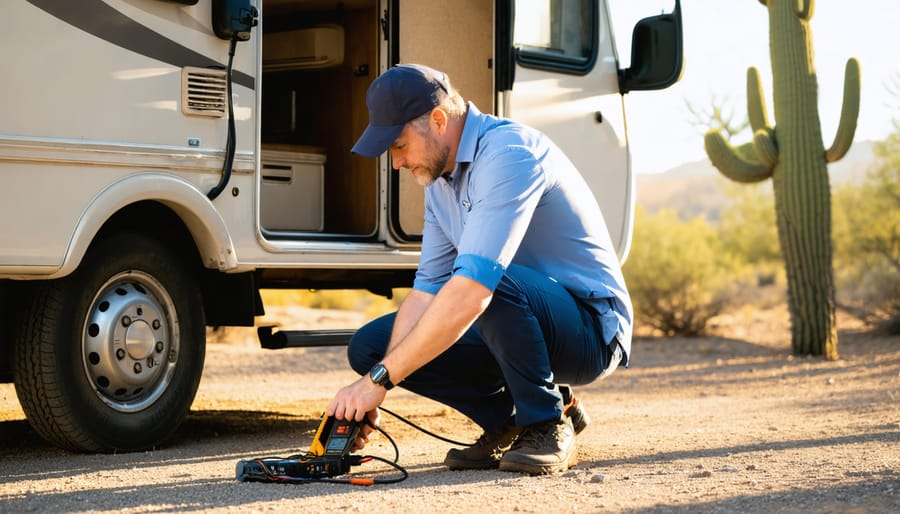
RVs and camper vans equipped with solar ready systems enable extended off-grid adventures without generator noise.
Tent Camping and Portable Solutions
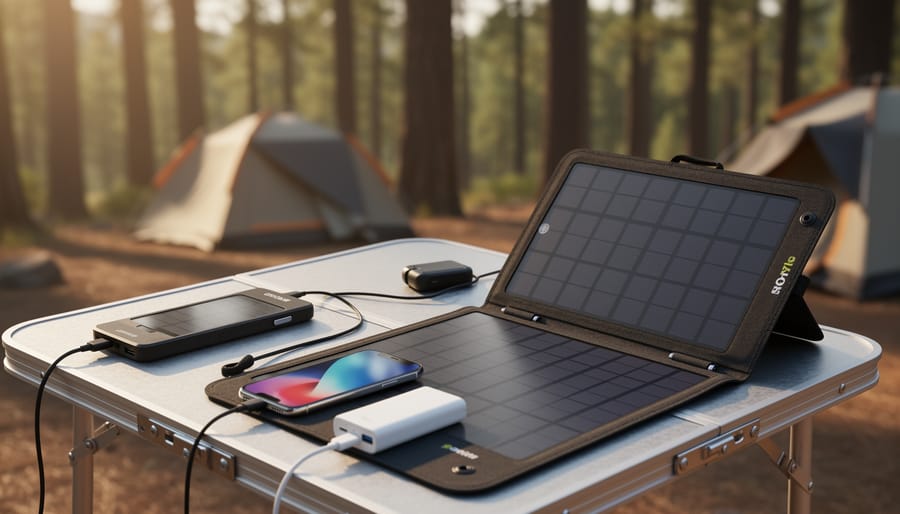
Not everyone camps in an RV, and Zamp understands this well. If you’re a tent camper or prefer the flexibility of a more minimalist setup, Zamp’s portable solar solutions integrate beautifully with their solar ready ecosystem. I’ve spent many weekends tent camping with just a portable solar panels setup, and the convenience is remarkable once you understand how the system works.
Zamp offers several portable panel options, typically ranging from 90 to 200 watts, designed with built-in legs for optimal sun positioning and durable cases for transport. What makes these panels especially valuable is their compatibility with Zamp’s standardized connectors. If you already have a solar ready battery system or portable power station with Zamp ports, your portable panel plugs right in without any adapters or electrical guesswork.
The beauty of this approach is scalability. Start with a single portable panel for charging phones and running LED lights, then expand your setup as your needs grow. The portable panels use the same charge controller technology as the permanent RV installations, ensuring consistent, safe charging regardless of your camping style.
One practical tip from my experience: invest in a quality extension cable. This lets you position your panel in full sun while keeping your battery or power station shaded inside your tent. It’s a small detail that makes a significant difference in both charging efficiency and equipment longevity. The portability means you can also use these panels at home during power outages, making them genuinely multipurpose investments.
Real-World Performance: What to Actually Expect
Let me share what I’ve learned from actually using Zamp solar ready systems on my camping trips, because the marketing materials only tell part of the story.
On a crystal-clear summer day in Utah, my 90-watt Zamp portable panel delivered pretty close to its rated output, charging my battery from 50% to full in about four hours. That was perfect. But here’s the reality check: those ideal conditions don’t happen every trip. During a cloudy weekend in the Pacific Northwest, that same panel struggled to produce even 30 watts. My phone still charged, but running a small cooler and lights simultaneously? That pushed things to the limit.
I’ve found that in real-world camping scenarios, you should expect about 60-70% of the rated wattage on average sunny days. Early morning and late afternoon see significant drops, sometimes down to 20-30% of peak output. This matters when you’re planning your power budget for the day.
Charging times vary dramatically based on what you’re powering. My laptop and phone together draw about 80 watts, meaning a 90-watt panel keeps up nicely in good sun. But trying to run a portable fridge that cycles on and off? You’ll want at least 100 watts of panel capacity, preferably more, to avoid slowly draining your battery over a multi-day trip.
One lesson I learned the hard way: panel positioning makes a huge difference. Just plopping the panel on top of your RV might only capture 50-60% of available sunlight. Taking two minutes to angle it directly at the sun can increase output by 40% or more. I now keep a small level and compass handy to optimize placement throughout the day.
The bottom line? Zamp systems work well, but success depends on matching panel size to your actual power needs with some buffer room. Start by tracking what you actually use during a typical camping day, then size up from there.
Setting Up Your Zamp Solar Ready System (The DIY Perspective)
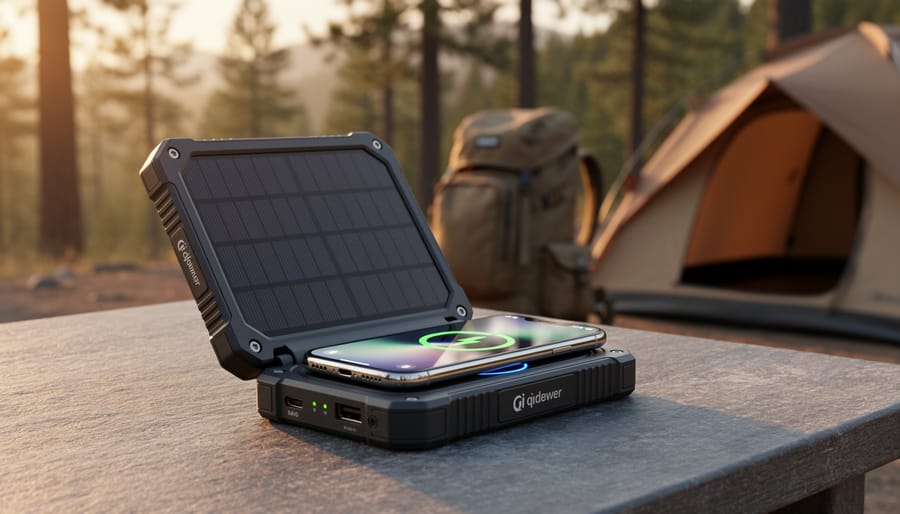
Portable Zamp panels connect to the same standardized system, making them versatile for both tent camping and RV use.
What You’ll Need Beyond the Basic Kit
While the Zamp solar-ready system provides an excellent foundation, you’ll need a few additional items to get up and running. First and foremost, you’ll need deep-cycle batteries to store your solar power. I learned this the hard way on my first camping trip when I assumed the panels would power everything directly. Most RVers opt for either AGM or lithium batteries, with lithium offering longer life but at a higher upfront cost.
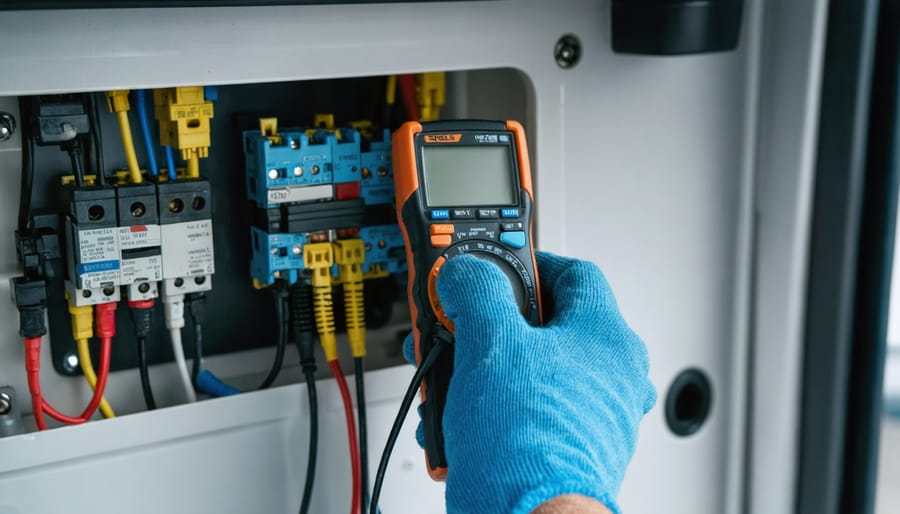
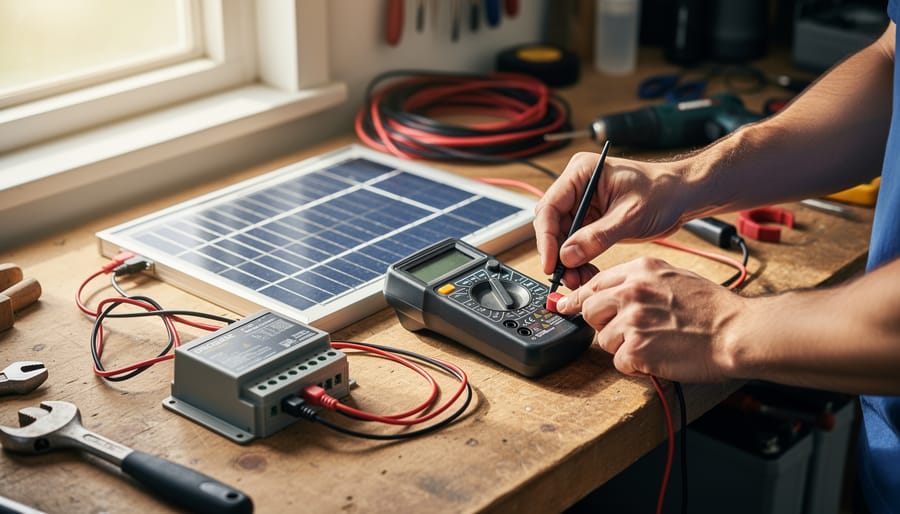
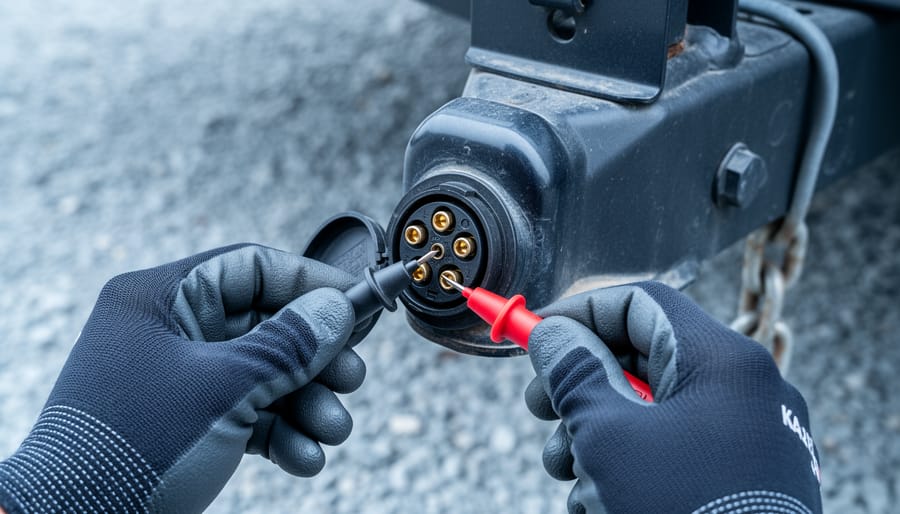
You’ll also want a basic multimeter to monitor your system’s performance. These run about fifteen to twenty dollars and help you troubleshoot issues before they become problems. A quality battery monitor is another worthwhile investment, letting you track your power consumption in real-time.
Don’t forget proper cable management supplies like zip ties and cable clips to keep everything tidy and protected from the elements. For those on a budget, consider starting with just one or two panels instead of a full array. You can always expand later as your needs grow.
Finally, think about your specific power needs. Calculate your daily energy consumption using online solar calculators to ensure you’re sizing everything correctly. This planning step saves money and frustration down the road.
Common Hiccups and How to Avoid Them
Even the best solar setup can throw you a curveball, and I’ve learned this the hard way more times than I’d like to admit! Let me share some common issues DIYers face with Zamp solar ready systems and how to sidestep them.
Connection headaches top the list. Charles, a fellow RVer I met at a campground in Montana, spent an entire afternoon troubleshooting why his panels weren’t charging. Turns out, the SAE connector wasn’t fully seated. These connections can be tricky because they click but might not actually lock. My rule of thumb: give it a gentle tug after connecting. If it comes loose, try again. Also, keep those connectors clean. Dust and moisture are silent killers for electrical connections.
Compatibility concerns pop up frequently, especially when mixing brands. Not all solar panels play nicely with Zamp’s proprietary connectors. Before buying additional panels, verify they’re either Zamp-branded or come with compatible adapters. I learned this lesson after purchasing what I thought was a great deal on panels, only to discover I needed a $30 adapter kit.
Mounting challenges often catch people off guard. Roof surfaces vary wildly between RV models. Some folks find their roof isn’t flat enough for standard brackets, while others discover their chosen spot interferes with roof vents or AC units. Measure twice, drill once. Take photos of your roof layout and use painter’s tape to mark potential panel positions before committing.
One quick win: always check polarity before connecting. Reversing positive and negative can damage your charge controller. A simple multimeter eliminates guesswork and costs less than twenty bucks.
Expanding Your System: When and How to Add More Panels
One of the best things about starting with a Zamp solar ready system is knowing you can grow it as your power needs evolve. I remember when I first started with a basic 90-watt setup, thinking it would be plenty. Then came the portable fridge, the laptop for remote work, and suddenly I was doing the math on expansion options.
The beauty of Zamp’s approach is that their port system makes adding panels genuinely straightforward. You’re not rewiring your entire setup or second-guessing compatibility. But before you rush out to buy more panels, let’s talk about actually calculating what you need.
Start by tracking your power consumption over a few typical camping trips. Note what you’re running, for how long, and check your battery levels each morning. Are you consistently draining below 50 percent? That’s your signal. The solar calculator tool available on most solar retailer sites can help you crunch these numbers without pulling out a spreadsheet. You plug in your devices, usage hours, and it spits out realistic wattage recommendations.
Here’s the thing about expansion: more panels doesn’t always mean better performance if you’re limited by your charge controller capacity. Check your controller’s maximum input before adding panels. Most Zamp systems handle up to 480 watts, but verify your specific model.
When you do add panels, consider portable panels versus roof-mounted expansion. Portables give you flexibility to chase the sun and park in shade, which honestly transformed my summer camping experience. Roof panels are set-it-and-forget-it convenient but limit your parking options.
The practical sweet spot for most weekend warriors? Start with 170-200 watts, then add a 90-watt portable if needed. That combination handles refrigeration, device charging, and LED lighting without breaking the bank upfront.
The Investment Question: Is Zamp Worth the Premium?
Let’s talk dollars and sense here. When I first looked at Zamp’s pricing, I’ll admit I winced a little. The solar-ready kits run anywhere from $400 to $800 depending on configuration, and that’s before you add panels. Compare that to a DIY setup using individual components from Amazon or a big-box store, and you could potentially build something similar for 30-40% less if you’ve got the skills and patience.
But here’s where my perspective shifted after using both approaches over the years. That price difference buys you something real: time and peace of mind. The Zamp system took me about 45 minutes to fully install, including mounting the controller and running cables. My first DIY solar setup? Easily 6-8 hours of research, troubleshooting compatibility issues, and rewiring connections that didn’t quite fit right the first time.
For weekend warriors and casual campers who just want reliable power without becoming electrical engineers, Zamp delivers genuine value. The plug-and-play design means you’re camping this weekend, not watching YouTube tutorials about wire gauges. The five-year warranty also matters when you’re out in the backcountry and can’t just pop into a hardware store.
However, if you’re budget-conscious and enjoy the learning process, building your own system makes sense. You’ll gain valuable knowledge about solar fundamentals, and you can customize every aspect to your specific needs. This is especially true if you’re already comfortable with basic electrical work or you’re comparing solar versus generators and want maximum flexibility.
The sweet spot? Zamp works best for folks who value their weekends, want manufacturer support, and camp frequently enough that the convenience pays dividends. DIY suits experimenters, tight budgets, and those building larger custom systems where component choice really matters.
So, is a Zamp solar ready system right for your camping adventures? Based on what we’ve explored, these systems offer a solid middle ground for RVers who want reliable power without diving deep into electrical complexity. They’re genuinely plug-and-play, backed by decent warranty support, and integrate seamlessly if you’re already invested in the Zamp ecosystem.
That said, they’re not the only option out there. Your specific needs matter most. If you’re weekend camping with minimal electronics, you might not need the full investment. But if you’re boondocking regularly or running multiple devices, that expandability becomes incredibly valuable.
I’ve learned through my own solar journey that there’s no universal solution. What works brilliantly for one camper might be overkill or insufficient for another. Take time to calculate your actual power consumption, consider your camping style, and budget realistically for both upfront costs and potential expansions.
I’d love to hear from you. Have you installed a Zamp system, or are you considering alternatives? What’s been your biggest challenge finding the right camping power solution? Drop your experiences in the comments below. Your real-world insights help fellow campers make better decisions, and honestly, we all learn from each other’s successes and stumbles.
How useful was this post?
Click on a star to rate it!
Average rating 0 / 5. Vote count: 0
No votes so far! Be the first to rate this post.
We are sorry that this post was not useful for you!
Let us improve this post!
Tell us how we can improve this post?
charlesnoble
Here at Spheral Solar, I’m a hands-on solar power enthusiast, constantly exploring and experimenting with DIY solutions. I’m dedicated to sharing my discoveries, insights, and even the bumps I hit along the way, all in the pursuit of a more sustainable future.
Why Your Motorhome Electrical System Keeps Failing… by Charlesnoble November 18, 2025 Picture this: You’re three days into a dream cross-country trip when your lights flicker, the refrigerator stops cooling, and you’re left wondering whether to call for expensive roadside assistance or figure it out yourself. I’ve been there, and here’s what I wish someone had told me before my first electrical…
Why Your RV Appliances Keep Tripping the Breaker… by Charlesnoble November 17, 2025 Turn off shore power and disconnect your battery bank before touching any wire in your RV—this single step prevents the most common DIY electrical accidents. Check your circuit breaker panel ratings against your actual appliance loads, because that microwave drawing 1500 watts on a 15-amp circuit is exactly why you’re…
Wire Your First Solar Panel Without Frying… by Charlesnoble April 29, 2026 Grab a multimeter and test your first solar panel connection right now—even if you’ve never touched electrical wiring before. Solar wiring isn’t the mysterious, dangerous territory most beginners imagine. It’s actually more forgiving than household AC wiring because you’re working with low-voltage DC power, typically 12 to 48 volts, which…
Why Your Qi Solar Power Bank Might Be Wasting Your… by Charlesnoble December 8, 2025 Expect your qi solar power bank to charge your phone wirelessly, but don’t count on the solar panel as your primary power source. I learned this the hard way during a three-day camping trip when I thought the built-in solar panel would keep my devices running indefinitely. The reality? Those…
Wire Your RV Tow Vehicle the Right Way (7-Pin… by Charlesnoble May 14, 2026 Identify the seven wires in your RV connector by their standard color codes: brown carries running lights, yellow handles left turn signal and brake, green manages right turn signal and brake, white serves as ground, blue powers electric brakes, black provides 12V battery charge, and red or purple connects auxiliary…
Why 48V is the Sweet Spot for Your RV Solar System by Charlesnoble May 20, 2026 Calculate your actual power consumption before jumping to 48V—most RVers overestimate their needs and waste money on unnecessary voltage conversions. Pull out your last month of camping data and add up the watt-hours your appliances actually use daily, not what you think you might need someday. If you’re consistently pulling…
Subscribe for handpicked DIY projects, exclusive tips, and giveaways.
After testing dozens of solar chargers across camping trips, power outages, and backyard experiments, we found the X-Dragon 20W delivers the most reliable charging performance for phones and tablets, while the Goal Zero Nomad 50W steps up when you need to power larger devices or handle extended emergencies. If you’re planning weekend hikes, assembling an… Read more: 7 Best Solar Powered USB Chargers of 2026, Tested and Reviewed
There is something special about a mature tree. Decades of growth, shade that actually cools the house, branches that the kids climbed, a root system that has quietly held the yard together through every storm. So when circumstances force a move, whether it is a home renovation, a new driveway, or a construction project that… Read more: How to Move a Mature Tree Without Killing It: The Complete Relocation Guide
A mass energy conversion calculator lets you determine how much energy is locked inside any amount of matter using Einstein’s famous equation E=mc². Whether you’re working on a physics assignment or simply curious about the enormous energy potential in everyday objects, the calculation itself takes just seconds once you understand the formula’s three components: energy… Read more: How to Use a Mass Energy Conversion Calculator (Step-by-Step Guide)