Why Your Solar Lights Keep Dying (and How 9V Batteries Fix Everything)
Updated:
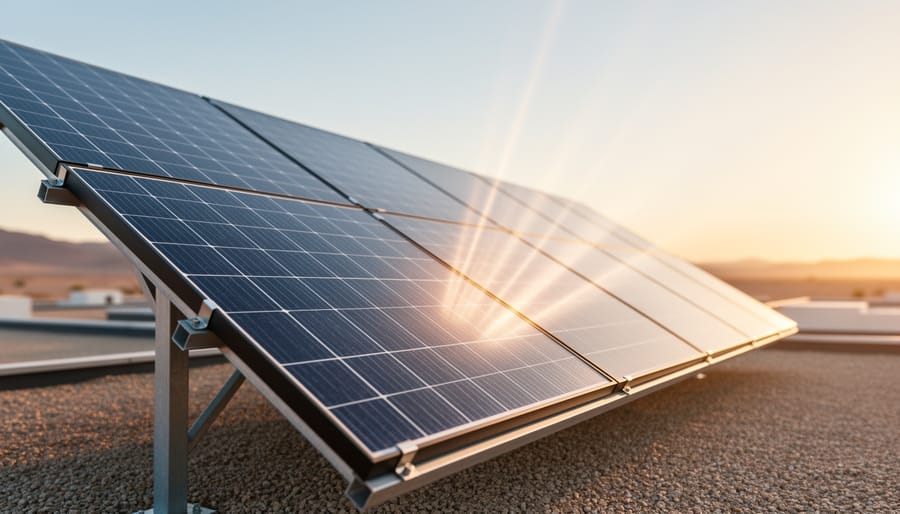
Match your solar panel’s voltage output to your 9V battery’s charging requirements by selecting panels rated between 9-12 volts to prevent undercharging or damaging overcharge. Test your panel’s actual output with a multimeter in full sunlight before connecting any battery—you’ll often find advertised voltages don’t match real-world performance, especially on cloudy days.
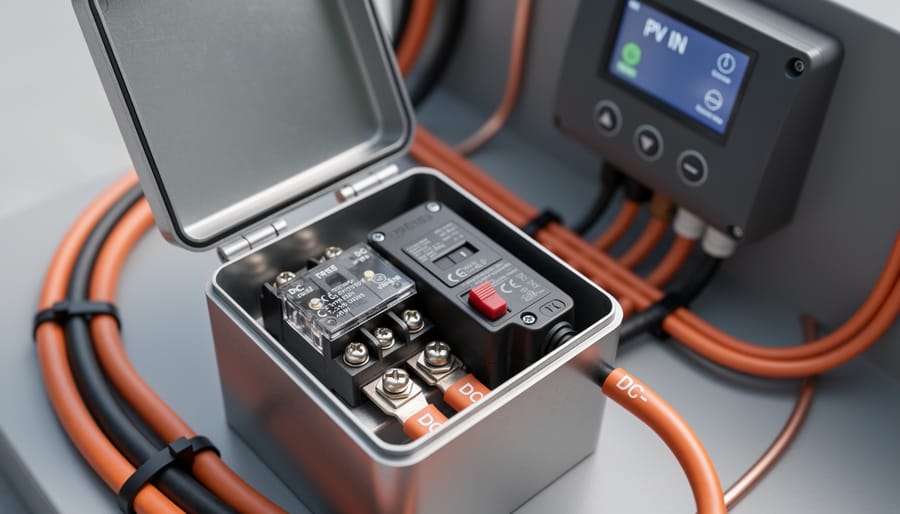
Add a charge controller between your panel and battery, even for small DIY projects. I learned this the hard way when my first solar garden light project burned through three 9V batteries in a month because I skipped this crucial component. A simple diode or dedicated 9V charge regulator costs under five dollars and prevents reverse current drain at night while protecting against voltage spikes.
Choose rechargeable NiMH 9V batteries over alkaline for solar applications. Standard alkaline batteries can’t handle repeated charge cycles, while NiMH variants withstand hundreds of recharges and maintain consistent voltage output. Your solar setup will deliver better long-term performance and save money over disposable alternatives.
Calculate your power needs before sizing your system. A typical 9V rechargeable battery holds about 200-300 mAh, meaning a small LED drawing 20 mA runs for approximately 10-15 hours. Understanding this relationship helps you determine whether a 9V solar solution actually fits your project or if you need to scale up to larger battery banks.
The beauty of 9V solar systems lies in their accessibility for beginners while offering genuine practical applications—from powering remote sensors to maintaining backup lighting systems. Whether you’re troubleshooting flickering solar lights or building your first renewable energy project, mastering these fundamentals unlocks countless possibilities for sustainable, off-grid power solutions.
The Solar Lighting Battery Problem Nobody Talks About
Why Standard Batteries Fail So Often
I learned this lesson the hard way last summer when my garden solar lights kept dying after just a few weeks. I kept replacing the standard AA rechargeables, thinking I just had bad luck with brands. Turns out, those common batteries weren’t designed for solar applications at all.
Here’s the thing: typical AA and AAA rechargeable batteries face some serious challenges when paired with solar panels. First, there’s the voltage mismatch problem. Most solar panels output inconsistent voltage depending on sunlight conditions, sometimes dropping too low to properly charge standard batteries. This leads to incomplete charging cycles that gradually degrade battery performance.
Temperature sensitivity is another major issue. Standard rechargeables perform poorly in extreme conditions, whether it’s the scorching summer heat building up inside a solar light housing or freezing winter nights. I’ve seen batteries lose up to 50% of their capacity when temperatures drop below 32°F.
The charge cycle problem compounds everything. Solar batteries go through partial charge-discharge cycles daily, unlike household rechargeables that typically get fully drained then fully charged. Standard batteries aren’t optimized for this pattern, leading to memory effects and reduced lifespan. Understanding the differences between NiCd vs NiMH batteries can help, but even these have limitations in solar setups.
Most standard rechargeables will fail within 6-12 months in solar applications, whereas proper solar batteries can last 2-3 years or more under identical conditions.
Standard rechargeable batteries often corrode and fail in solar lighting applications, creating performance issues that homeowners frequently encounter.
The Voltage Sweet Spot Most DIYers Miss
Here’s something I learned the hard way after my first solar garden light project flickered out after just two weeks: voltage matching matters way more than most of us realize. I’d grabbed a 9V rechargeable battery and assumed it would work with any small solar panel. Wrong.
The issue is that most solar panels designed for garden lights output around 5-6 volts, while your 9V battery needs closer to 9.5-10 volts to charge properly. When you pair them incorrectly, you end up with a battery that never fully charges, leading to those frustratingly dim lights that barely last an hour after sunset.
Think of it like trying to fill a water tower with a garden hose that doesn’t have enough pressure. The water might trickle in, but you’ll never reach full capacity. Your solar panel needs to output at least 2 volts higher than your battery’s nominal voltage for efficient charging.
The good news? This is completely fixable. Check your solar panel’s voltage output with a simple multimeter in direct sunlight. If it’s under 11 volts and you’re using a 9V battery, you’ve found your culprit. Matching these components correctly can triple your lighting duration and extend your battery life by years instead of months.
What Makes 9 Volt Solar Batteries Different
Chemistry Matters: Picking the Right 9V Type
When I first started experimenting with solar-powered projects, I quickly learned that not all rechargeable 9V batteries play nicely with solar charging. The chemistry inside makes a huge difference in performance and longevity.
Let’s break down your two main options: Nickel-Metal Hydride (NiMH) and Lithium-ion (Li-ion).
NiMH 9V batteries are the workhorses of the solar world. They typically offer capacities between 200-300 mAh and handle the slow trickle charge from small solar panels beautifully. Products like the EBL 280mAh NiMH rechargeable 9V are reliable choices for outdoor solar sensors and garden lights. These batteries tolerate temperature fluctuations better than most alternatives and cost around $8-12 per battery. You’ll get roughly 500-1000 charge cycles if you treat them right. The main downside? They self-discharge faster, losing about 20-30% of their charge monthly when sitting idle.
Li-ion 9V batteries pack more punch with capacities reaching 500-650 mAh, like the Pale Blue USB rechargeable 9V. They hold their charge much longer in storage and maintain consistent voltage output until nearly depleted. However, they’re pickier about charging conditions and typically cost $15-20 each. Some Li-ion models include built-in USB charging circuits, which can complicate direct solar integration.
For most solar DIY projects, I recommend NiMH as the best rechargeable batteries for solar applications. They’re more forgiving with basic solar charging setups and offer better value for outdoor installations where temperature swings are common.
When 9V Batteries Actually Make Sense for Your Solar Setup
Perfect Projects for 9V Solar Power
I’ve had amazing success using 9V solar batteries in my outdoor projects, and I’m excited to share where they really shine. Security lights are perfect candidates – the 9V provides just enough juice to power motion sensors and LED bulbs without the hefty energy demands of traditional lighting systems. I installed one above my garage last summer, and it’s been running flawlessly ever since.
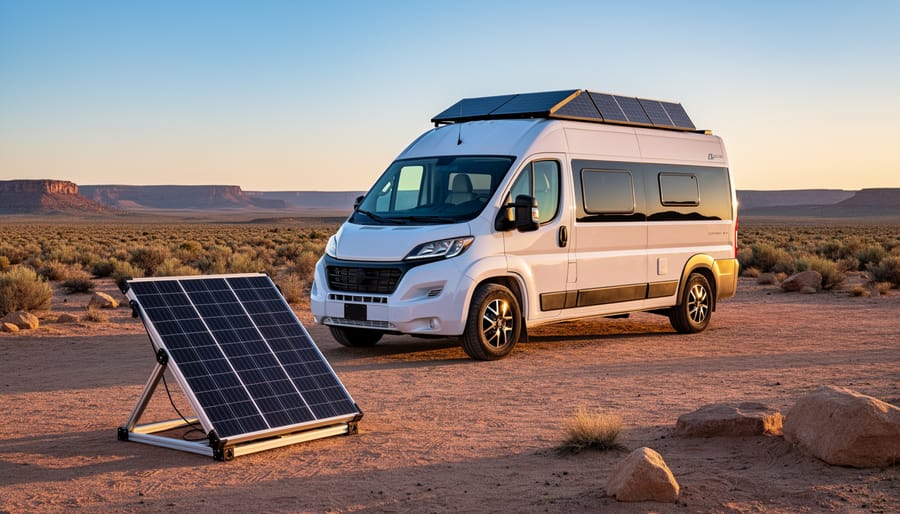
Camping lanterns are another winner. The compact size of 9V batteries makes them ideal for portable solar setups. You can easily pack a solar panel and rechargeable 9V battery for weekend trips, giving you reliable light without disposable batteries cluttering up nature.
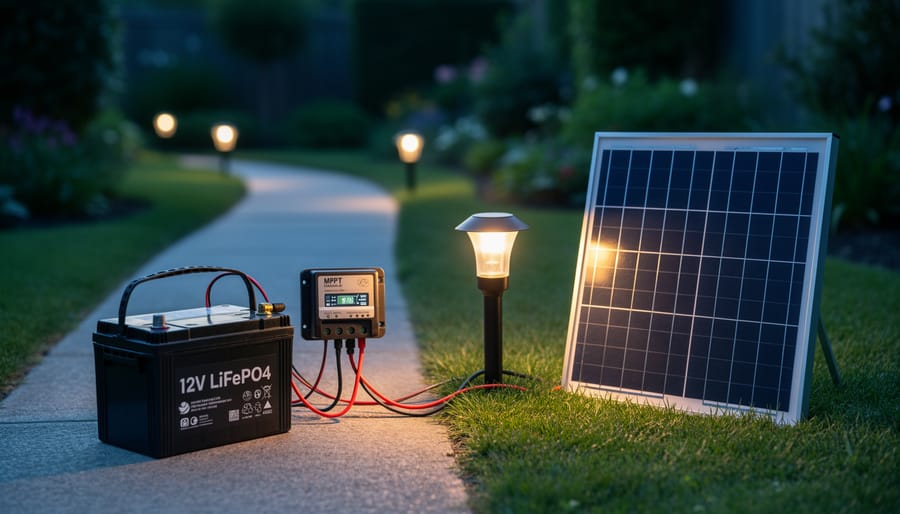
Pathway lighting is where I’ve seen the most dramatic results in my own yard. Those little solar path lights often struggle with rechargeable AA batteries, but upgrading to a 9V system (with appropriate voltage regulation) delivers brighter, more consistent illumination. The higher voltage means less current draw for the same light output, which translates to longer runtime between charges.
Motion sensors for DIY alarm systems work beautifully too. The 9V’s stable output keeps sensors responsive, and solar charging means you won’t scramble for fresh batteries at the worst possible moment. These applications prove that 9V solar setups aren’t just viable – they’re often the smartest choice.
A 9V-powered solar camping lantern provides reliable illumination for outdoor adventures when properly configured.
When to Stick with Standard Batteries Instead
Here’s my honest take from years of tinkering: standard alkaline 9V batteries often make more sense than solar setups. If you’re powering a smoke detector or a guitar pedal that sits indoors, solar charging becomes needlessly complicated. You’d need external panels, wiring runs, and charge controllers for devices that work perfectly fine with a twice-yearly battery swap.
I learned this the hard way when I tried solar-charging my multimeter. The effort outweighed simply keeping spare batteries in my toolbox. Standard batteries shine for portable devices you carry between locations, emergency backup systems needing instant reliability, or anything requiring consistent power regardless of weather conditions. Low-drain devices like remote controls or wall clocks might take years to recoup solar setup costs. Sometimes the simplest solution truly is grabbing a fresh battery from the drawer.
Optimizing Your Solar Panel to Charge 9V Batteries
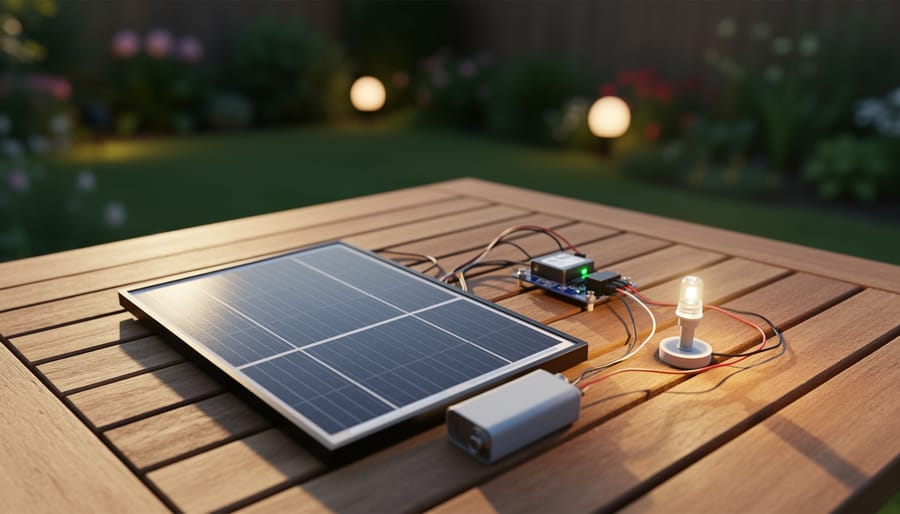
A simple solar panel and 9V battery setup demonstrates the basic components needed for effective solar lighting projects.
The Simple Circuit That Protects Your Investment
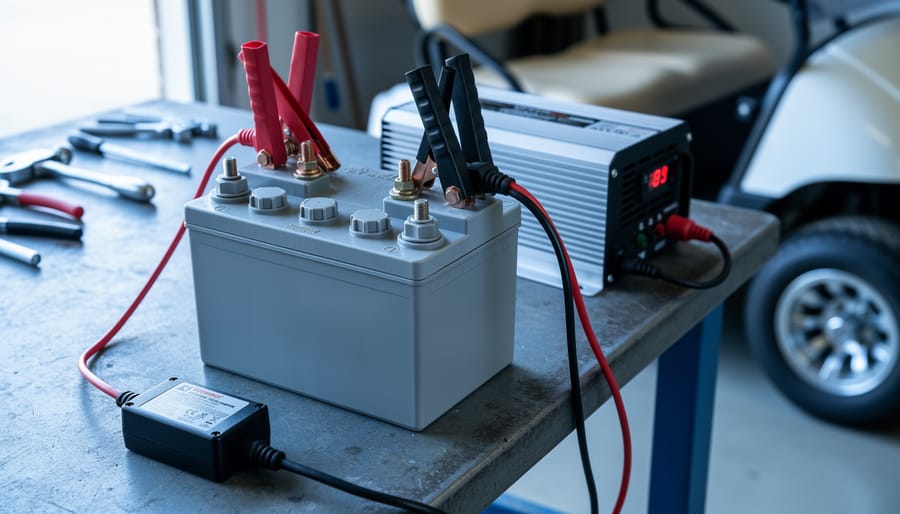
Here’s the thing about charging 9V batteries with solar panels: you absolutely need a charge controller to prevent damage to your battery. I learned this the hard way years ago when I fried three rechargeable 9Vs in a weekend project because I thought “just connecting the wires” would work. Spoiler alert: it didn’t.
The good news? A simple DIY charge controller is easier to build than you might think, and it’ll protect your investment for years to come.
For a basic setup, you’ll need just a few affordable components. The star of the show is a voltage regulator like the LM317, which costs under two dollars. Pair it with two resistors (220 ohm and 1K ohm work great), a diode (1N4001 prevents reverse current), and a small capacitor for stability. Total cost? Usually under five dollars.
Here’s your basic circuit: Connect your solar panel output to the LM317’s input pin. The diode goes between the panel and regulator to prevent battery drain at night. Your resistors create a voltage divider that sets the output to around 10 volts, perfect for charging a 9V nickel-metal hydride battery. The capacitor smooths out any voltage fluctuations.
If you’re not keen on soldering, pre-made charging modules are available online for around ten dollars. Look for ones specifically rated for 9V batteries with built-in overcharge protection.
Whatever route you choose, remember: a few dollars spent on proper charging equipment saves you from repeatedly replacing batteries and potentially damaging your solar panel.
Calculating Your Solar Panel Size
Here’s a straightforward approach to finding the right solar panel for your 9V battery setup. I learned this method after oversizing my first solar panel and wasting both money and space!
Start by checking your battery’s capacity, usually measured in milliamp-hours (mAh). A typical 9V rechargeable battery ranges from 200-500 mAh. Next, consider your daily usage. If you’re powering a small LED display that runs 4 hours daily, you’ll need to replace that energy plus account for charging inefficiencies.
The general rule: multiply your battery capacity by 1.3 to account for losses during charging. For a 300 mAh battery, that’s 390 mAh you need to replace. Now, factor in available sunlight hours in your location (typically 4-6 hours of good sun).
Using Spheral Solar’s battery charge time calculator, you can input these values to get precise wattage recommendations. For most 9V applications, a 2-5 watt panel works perfectly. The principles are similar to sizing solar panels for larger batteries, just scaled down.
Remember, slightly oversizing gives you charging cushion on cloudy days, but going too large wastes resources without meaningful benefit for small 9V systems.
Building Your First 9V Solar Light System
Ready to build your very first solar light system? I remember when I first attempted this project in my garage – I was both excited and a bit nervous. But here’s the good news: it’s surprisingly straightforward, and you probably have some of these materials lying around already.
Let’s start with what you’ll need. For the solar component, grab a 6V to 9V solar panel (around 1-2 watts works perfectly for this starter project). You’ll need one 9V rechargeable NiMH battery – these are specifically designed to handle the charge-discharge cycles we need. Pick up a simple solar charge controller rated for small systems, which prevents overcharging and protects your battery. For the light itself, an LED strip or a few individual LEDs (white LEDs work great and only draw about 20 milliamps each) will do the trick. Finally, gather some basic wire, a small project box to house everything, and a simple switch.
Now for the assembly. First, connect your solar panel to the charge controller’s input terminals – positive to positive, negative to negative. This is crucial because reversing these will damage your controller. Next, attach your 9V battery to the charge controller’s battery terminals. Most controllers have clearly labeled spots for this. Then wire your LED lights to the load terminals on the controller. If your controller doesn’t have load terminals, you can wire the LEDs directly to the battery through your switch, though having that controller protection is ideal.
Here’s a tip from my own experience: before sealing everything in your project box, let the system run for a day to ensure it’s working properly. Place your solar panel in direct sunlight for at least 6 hours and observe whether your battery charges and your lights function when switched on.
Running into issues? If your lights won’t turn on, first check all connections are secure and you haven’t accidentally reversed polarity anywhere. If the battery isn’t charging, verify your solar panel is getting adequate sunlight and producing voltage – you can test this with a simple multimeter. Sometimes the issue is as simple as a cloudy day providing insufficient charge.
The beauty of this project is its scalability. Once you’ve mastered this basic setup, you can expand to multiple lights, add motion sensors, or even create an entire outdoor lighting system for your garden path.
Getting More Life Out of Your 9V Solar Batteries
The Charging Mistake That Kills Batteries Fast
I learned this lesson the hard way during my first solar garden light project. I was so excited about my new setup that I kept the lights plugged into the solar charger around the clock, even after they were fully charged. Within three months, my 9V batteries were dead, and I couldn’t figure out why.
Here’s the problem: overcharging generates heat and causes the electrolyte inside rechargeable batteries to break down. Your battery capacity gradually shrinks until it can barely hold a charge. On the flip side, consistently undercharging your batteries is just as damaging. When you don’t fully charge a 9V battery, sulfate crystals build up on the plates, reducing performance over time.
The sweet spot? Use a charge controller that automatically stops charging when your battery reaches full capacity. For most 9V NiMH batteries, that’s around 9.6 volts. I now check my batteries monthly with a simple multimeter and disconnect them if they’re sitting idle for extended periods. Since making these changes, my batteries last three times longer. It’s a simple fix that saves money and reduces waste, which is what solar power is all about.
Here’s the thing I’ve learned after years of tinkering with solar projects: 9V solar batteries aren’t a magic bullet, but they absolutely shine in the right situations. If you’re powering small sensors, garden lighting, or portable devices, they could be exactly what you need. For larger projects? Maybe not so much.
The real beauty of this technology is in the experimenting. I’ve had my share of failures—remember, every battery that didn’t quite work taught me something valuable. Your first attempt might not be perfect, and that’s completely okay. Start small, test things out, and don’t be afraid to adjust your approach.
What makes this journey even better is sharing what you discover. When you try that calculator tool we mentioned earlier and get your system running, let others know how it went. Did you find a clever workaround? Hit an unexpected snag? Those real-world insights help everyone in our community learn faster and build better projects.
So grab that multimeter, dust off your soldering iron if needed, and give it a shot. Whether you’re retrofitting an old garden light or building something completely new, you’re joining a community of makers who believe renewable energy should be accessible to everyone. Try the tools, experiment with confidence, and most importantly, share your story.
How useful was this post?
Click on a star to rate it!
Average rating 0 / 5. Vote count: 0
No votes so far! Be the first to rate this post.
We are sorry that this post was not useful for you!
Let us improve this post!
Tell us how we can improve this post?
charlesnoble
Here at Spheral Solar, I’m a hands-on solar power enthusiast, constantly exploring and experimenting with DIY solutions. I’m dedicated to sharing my discoveries, insights, and even the bumps I hit along the way, all in the pursuit of a more sustainable future.
Why Your RV Solar System Isn’t Charging (And How to Fix It) by Charlesnoble May 6, 2026 Picture this: You’re parked at a stunning boondocking spot, miles from the nearest electrical hookup, and your RV batteries are draining fast. Your fridge starts warming, lights dim, and you’re left wondering if you’ll need to pack up and find a campground. I’ve been there, and it’s frustrating. RV solar…
Why Your 8 Volt Battery Won’t Charge (And How to Fix… by Charlesnoble February 25, 2026 Match your charger voltage to your battery’s 8-volt requirement, or risk permanent damage to your battery bank. Most standard chargers output 6V or 12V, making them incompatible with the less common 8V configuration found in certain golf carts, floor scrubbers, and older solar setups. Use a dedicated 8-volt charger with…
Why NiMH Batteries Keep Your Solar Lights Running… by Charlesnoble November 20, 2025 Choose rechargeable NiMH batteries rated between 600-1000mAh for most standard solar garden lights, matching the voltage of your original batteries—typically 1.2V AA or AAA sizes. These batteries outperform regular alkaline batteries because they handle the constant charge-discharge cycles that solar lights demand daily, lasting 2-3 years compared to just months…
Why LFP Batteries Changed Everything About Solar… by Charlesnoble April 3, 2026 Match your LFP battery capacity to your actual lighting needs by calculating your nightly watt-hour consumption and multiplying by three—this gives you enough storage for cloudy stretches without overspending on unused capacity. A 20-watt LED running five hours nightly needs a 300Wh minimum battery, which translates to a 100Ah 12V…
How Solar Energy Actually Works in Your Home (And… by Charlesnoble December 5, 2025 Capture sunlight with photovoltaic panels that convert solar radiation into direct current electricity through semiconductor technology. Position your panels at the optimal angle for your latitude—typically between 30 and 45 degrees in most locations—to maximize energy absorption throughout the day. Store excess electricity in deep-cycle lithium or lead-acid batteries, which…
Lifepo4 Voltage Chart: Understanding Battery… by Charlesnoble October 18, 2023 A LiFePO4 battery voltage chart displays how the voltage is related to the battery’s state of charge. These charts vary depending on the size of the battery—whether it’s 3.2V, 12V, 24V, or 48V. This article will dive deep into interpreting these charts and their practical implications. We’ll also cover the…
Subscribe for handpicked DIY projects, exclusive tips, and giveaways.
There is something special about a mature tree. Decades of growth, shade that actually cools the house, branches that the kids climbed, a root system that has quietly held the yard together through every storm. So when circumstances force a move, whether it is a home renovation, a new driveway, or a construction project that… Read more: How to Move a Mature Tree Without Killing It: The Complete Relocation Guide
A mass energy conversion calculator lets you determine how much energy is locked inside any amount of matter using Einstein’s famous equation E=mc². Whether you’re working on a physics assignment or simply curious about the enormous energy potential in everyday objects, the calculation itself takes just seconds once you understand the formula’s three components: energy… Read more: How to Use a Mass Energy Conversion Calculator (Step-by-Step Guide)
Low voltage circuit protection in DIY solar systems boils down to matching the right fuse or breaker to your wire size and expected current, not to the capacity of your battery bank or inverter. Most fires and equipment failures happen when people oversize protection devices, thinking bigger is safer, when the opposite is true. Your… Read more: How to Size Low Voltage Circuit Protection for Your DIY Solar System