How Alberta’s Power and Solar Plant Operators Get Certified Through ABSA Exams
Updated:
In Alberta, certified operators for power and solar plants are licensed through ABSA, the province’s safety codes authority for pressure equipment, and the path runs through written exams that match a certificate class to the plant you want to run. Most hobbyists and homeowners never need one, since a rooftop array doesn’t call for a certified operator. Utility-scale and industrial plants do, and that’s where the process matters.
The short version: you pick the certificate that fits the plant’s size and type, meet the experience and education requirements, sit the exam, and keep the certificate current. The details differ by class, so confirm specifics with ABSA directly before you plan anything around a date or a fee. If you’re curious about the full exam path, our guide walks through it.
I’ll be upfront about what I can verify. The one solar course I researched is a related industry course, not an ABSA exam. It has no prerequisites, costs $225, is open to project managers, developers, engineers, electricians, technologists, and sales reps, and is currently offered only as an on-demand ABSA power engineer exams recording from October 2025. Think of it as a friendly way in. Let’s break down who qualifies, how the process works, and what to expect.
Key Takeaway: Certified operators run Alberta’s plants, and ABSA administers the exams that license them. Always confirm current requirements directly with ABSA, and if you’re curious about going deeper, professional training options exist for people at any level.
Who Actually Runs a Power or Solar Plant in Alberta?
What an Operator’s Job Looks Like Beyond the Control Room
A plant operator’s day rarely looks like the movie version, someone staring at a wall of dials. Yes, a lot of it is watching gauges and screens, but the real work happens out on the floor and in the details.
Operators keep an eye on equipment around the clock, checking that temperatures, pressures, and outputs sit where they should. They run the plant safely, following set procedures when starting up, ramping down, or shutting equipment off. When something drifts out of range or makes a strange noise, they’re the first to investigate, work out what’s going on, and decide whether it’s a quick fix or a call for backup.
Then there’s the paperwork, which matters more than you’d think. Operators log readings, note changes, and record anything unusual so the next shift knows exactly what happened. Good records are how small problems get caught before they become big ones.
It’s steady, careful work, and honestly, it reminds me of a well-run DIY project: stay observant, follow your process, and write things down.
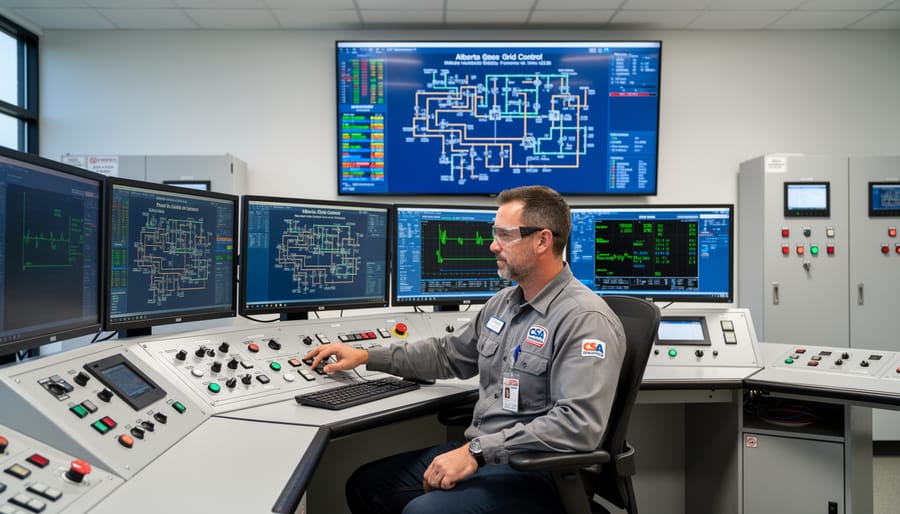
A certified operator in Alberta’s power plant control room demonstrates the hands-on responsibility behind safe plant operation.
Where Solar Fits Into the Picture
Solar plants and traditional thermal plants don’t automatically sit in the same regulatory box. A thermal plant, the kind that boils water to spin a turbine, typically involves pressure equipment like boilers and steam systems, and that’s the territory where operator certification through ABSA has the clearest footing. A solar plant works differently. If you want a refresher on how solar works, panels turn sunlight into electricity with no combustion and no steam involved.
So whether certified operators are required at a given solar site comes down to what equipment is actually installed there. A plain photovoltaic array looks very different on paper than a site that also includes pressure-based components, and those details matter.
I’d be doing you a disservice if I handed you a tidy rule here, because requirements really do vary from site to site. Don’t assume. Before you plan around any certification path, contact ABSA directly and ask how your specific equipment and facility type are treated. A quick conversation with them beats guessing every time.
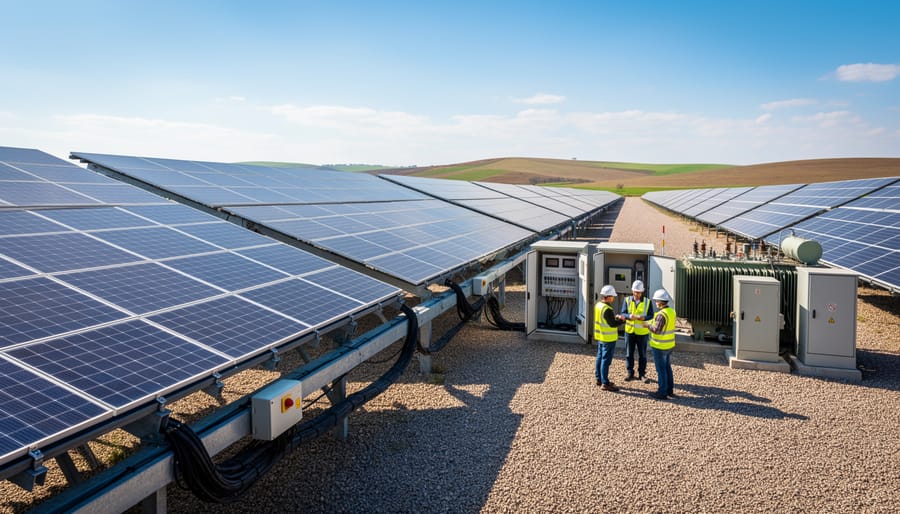
Solar panels at a utility-scale facility show the kind of large equipment that may require certified oversight depending on site equipment and operating conditions.
How the ABSA Exam Path Works From First Step to Certificate
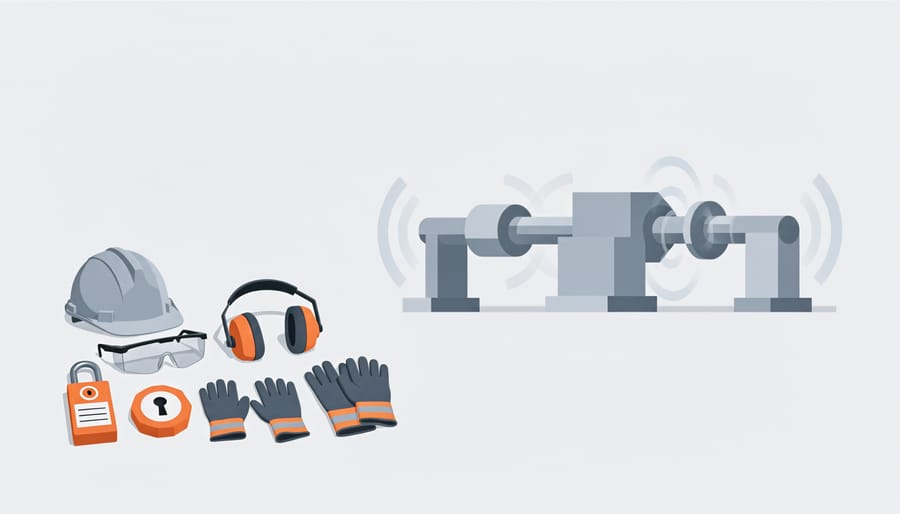
Safety gear placed near industrial equipment symbolizes the disciplined practices certified operators follow when working around high-energy systems.
Preparing for the Exam Without Getting Overwhelmed
Think of exam prep like any solid DIY build: you don’t start by wiring the whole system at once. I tackle the big goal in small, manageable pieces. Break the material into chunks, maybe one topic per week, and spend a little time on each instead of cramming everything the night before.
Get comfortable with the basics first. Even something as simple as reading through solar panel specs trains your brain to decode technical information, which is a skill you’ll use again and again.
Don’t go it alone, either. A study group, whether that’s coworkers, a local community, or fellow hobbyists, makes tough topics easier and keeps you accountable. Explaining a concept out loud to someone else is one of the best ways to find out whether you really understand it.
Before you commit to a plan, check the official ABSA certification application assessment information so you know exactly what’s expected of you. Then set a schedule, track your progress, and celebrate the small wins along the way.
Keeping Your Certification Current
Getting certified is only half the story. Like a driver’s licence or a trade ticket, an operator certificate isn’t something you earn once and forget about. It has to be kept in good standing, and the rules for how long it stays valid, what renewal involves, and whether any ongoing requirements apply are set by ABSA, not by the plant or the employer.
That’s why I’d never trust a forum post or a coworker’s memory on this one. Rules change, and the details can differ depending on the certificate and the equipment at a given site. Treat renewal like any good DIY project: check the official instructions before you start. Contact ABSA directly, or review their current published requirements, so you know exactly what applies to you and when.
Key Details on the Solar-Focused Course Mentioned in Industry Training
If you’re curious how professional solar work is put together, there’s a low-barrier place to start. It’s a solar-focused course that comes up in industry training conversations, and it’s a handy way to see how the pros think about projects. To be clear, it’s a related learning option, not a stand-in for the ABSA operator exams we covered above.
Here’s what we know, boiled down:
Detail
What to know
Intended audience
Project managers, developers, engineers, electricians, technologists, sales representatives, and other industry professionals
Prerequisites
None
Course fee
$225
Delivery format
On-demand video recording only (recorded Oct. 2025)
NABCEP credit
NABCEP registers the maximum number of hours approved for credit
A few things stand out. With no prerequisites, you don’t need a résumé full of credentials to dive in, which is great news if you’re a curious hobbyist wanting a peek behind the curtain. The audience list is broad too, so you’d be learning alongside people from very different corners of the industry.
The on-demand format matters as well. Right now it’s a recorded video, so you can work through it on your own schedule rather than lining up with a live session.
One honest caveat: this course doesn’t license anyone to operate a plant. Certification for that still runs through ABSA, so treat this as a way to build background knowledge, not a shortcut to a certificate.
What Hobbyists and DIYers Can Take Away From This
Here’s the thing I keep coming back to: you don’t have to be licensed to benefit from how licensed people think. Certified operators work from habits that any DIYer can borrow, and most of them cost nothing.
Start with documentation. Operators keep records because memory fails and equipment doesn’t forgive. When I wired up my first battery bank, I skipped labeling the breakers. Three months later I stood in my garage squinting at a wall of identical switches, trying to remember which one killed the array. Now I keep a simple logbook and a labeled one-line diagram. It takes ten minutes and saves real headaches.
Next, safe shutdown. Professionals treat the shutdown sequence as seriously as the startup. Know how to isolate your panels, your batteries, and your inverter, in the right order, before you ever need to do it in a hurry.
Finally, respect for high-energy equipment. Batteries and DC arrays can hurt you badly, and a calm, procedural mindset is your best protection.
Knowing where your project stops being a weekend build matters just as much. If it involves grid connection, pressure equipment, or anything where a mistake could harm someone other than you, bring in a licensed professional. The rules differ by project, so confirm specifics with the relevant authority rather than guessing.
Before you ever have that conversation, you can size your system yourself. Spheral Solar’s calculators help you estimate your needs, so you walk in prepared and ask sharper questions.
Have you borrowed a professional habit that saved your project? Share it with the community. I’d love to hear what you’ve learned.
Common Questions About Operator Certification in Alberta
Readers tend to ask the same handful of things when they first dig into operator certification, so here are straight answers. I’m keeping them general on purpose, because rules, fees, and schedules change, and ABSA is the place to confirm anything current.
What is ABSA?
ABSA is Alberta’s pressure equipment safety authority, and it administers the exams that certify plant operators. Check its official materials for the latest details.
Do solar plant operators need the same certification as power plant operators?
It depends on the equipment at a given site, since requirements follow the type of equipment rather than the label “solar.” Ask ABSA directly before assuming either way.
Does a homeowner need an ABSA exam for a home solar setup?
Operator certification is aimed at running larger plants, not typical residential projects. Home systems have their own permitting and electrical requirements, so confirm those with your local authorities.
Where do I find official current requirements?
Go to ABSA’s website or contact them. They’re the only reliable source for exam eligibility, fees, and schedules.
If you’re a hobbyist, a good first step is getting comfortable with the fundamentals, and our guide to solar setup basics is a friendly place to start before you ever think about licensed plant work.
So, here’s where it all lands. The certified operators who keep Alberta’s power and solar plants running safely earn their licenses through the ABSA exam path, and that system exists to protect people, equipment, and the grid we all rely on.
If this has sparked your curiosity, check the official ABSA materials for the latest details, and consider a professional learning course to see how the industry works. Meanwhile, keep building your own skills at home, starting with safe system planning before you touch a single panel.
I’d love to hear from you. What questions are still bouncing around? Maybe you’ve talked with an operator or built your own setup. Share your stories and questions with the community, and let’s keep learning together.
How useful was this post?
Click on a star to rate it!
Average rating 0 / 5. Vote count: 0
No votes so far! Be the first to rate this post.
We are sorry that this post was not useful for you!
Let us improve this post!
Tell us how we can improve this post?
charlesnoble
Here at Spheral Solar, I’m a hands-on solar power enthusiast, constantly exploring and experimenting with DIY solutions. I’m dedicated to sharing my discoveries, insights, and even the bumps I hit along the way, all in the pursuit of a more sustainable future.
How Does a Solar-Powered Drip Irrigation System Work by Paul September 13, 2021 Solar-powered drip irrigation can be installed in most gardens using a small solar system, readily available irrigation materials, and minimal tools. If you already have a home solar system, it can be tapped into without installing a dedicated system. And the installation of an average drip irrigation system is well…
Why Your PV Wire Management Could Fail Inspection… by Charlesnoble April 9, 2026 Route your PV wires through UV-resistant conduit within 18 inches of leaving the solar array, securing it every 3 feet with proper clamps to prevent wind damage and code violations. This single step prevents 80% of the wire degradation issues I’ve seen in DIY solar installations over the past decade.…
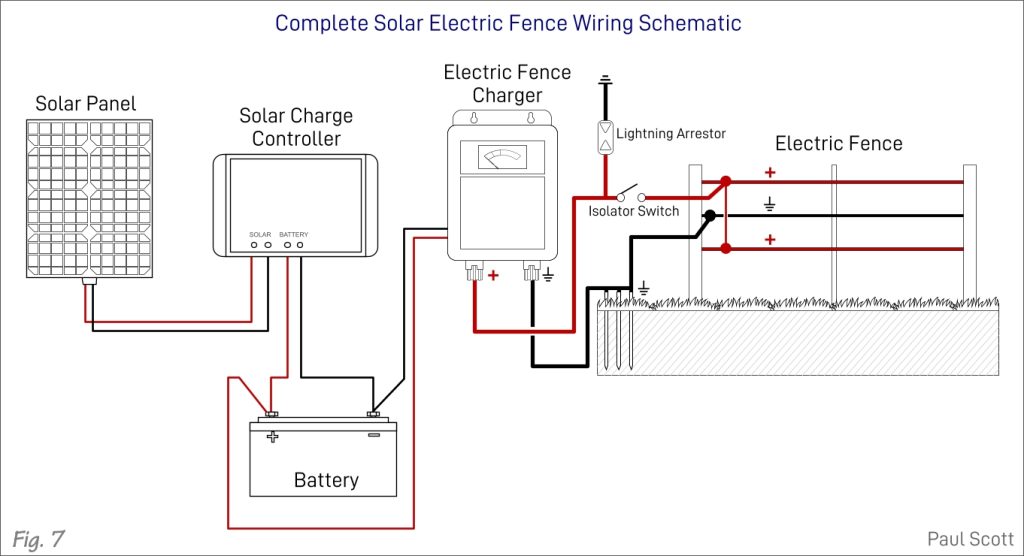
How to Build a Solar-powered Electric Fence (With Diagrams) by Paul November 1, 2021 You can build a permanent DIY, 3-acre solar-powered electric fence can with basic technical skills in under a week. And depending on whether you opt for a custom or off-the-shelf solar fence charger, costs between $1,400 and $1, 800. In the interest of transparency, we earn a commission on some…
Why Your Solar Conduit Installation Could Start a… by Charlesnoble March 27, 2026 Measure your conduit run before purchasing materials by mapping the exact path from your solar array to the inverter and battery location, accounting for a 10% waste factor and additional length for bends. PVC electrical conduit remains the most cost-effective protective solution for DIY solar installations, but improper installation creates…
Why Your Rooftop Solar Could Block Firefighters (And… by Charlesnoble January 8, 2026 Measure three feet from your roof’s eaves before placing any solar panels—this clearance creates a critical pathway firefighters use to ventilate roofs during emergencies. When flames engulf a building, firefighters climb onto roofs and cut ventilation holes near the eaves to release heat and smoke, giving occupants precious escape time…
How to Protect Your EV’s Paint While Charging… by Charlesnoble August 27, 2026 Your EV’s paint faces a triple threat every time you plug in outdoors: relentless UV exposure, extreme heat radiating from charging infrastructure, and industrial contaminants settling on surfaces during those extended charging sessions. The solution is a multi-layered protection strategy combining UV-resistant ceramic coatings, strategic parking techniques, and regular maintenance…
Subscribe for handpicked DIY projects, exclusive tips, and giveaways.
In Alberta, certified operators for power and solar plants are licensed through ABSA, the province’s safety codes authority for pressure equipment, and the path runs through written exams that match a certificate class to the plant you want to run. Most hobbyists and homeowners never need one, since a rooftop array doesn’t call for a… Read more: How Alberta’s Power and Solar Plant Operators Get Certified Through ABSA Exams