What Is Sustainable Interior Design (and How Does It Work)?
Updated:
Sustainable interior design is the practice of creating beautiful, functional living spaces using materials, methods, and systems that minimize environmental impact while maximizing energy efficiency and occupant health. It goes beyond choosing a bamboo coffee table or swapping out light bulbs. At its core, sustainable design rethinks how rooms are built, furnished, powered, and maintained over their entire lifespan.
If you’ve already invested in solar panels or you’re thinking about renewable energy for your home, sustainable interior design is the perfect complement. A well-insulated room lined with reclaimed wood keeps your solar-powered HVAC system from working overtime. LED fixtures draw less from your battery bank. Natural ventilation strategies cut cooling costs in summer. Every design choice either supports or undermines your energy goals, and this guide will show you how to make decisions that work with your power setup, not against it.
The search for sustainable design answers usually starts when someone realizes their home improvement plans and their environmental values don’t have to conflict. Maybe you’re renovating a guest room, outfitting a solar-powered van, or building a backyard workshop off-grid. You want eco-conscious living spaces that feel good to live in and don’t cost the planet. The good news? Sustainable choices often save money, improve air quality, and create rooms that last decades longer than conventional builds.
In this article, we’ll walk through what sustainable interior design actually means in practical terms, how the process works from planning to execution, the core principles that guide material and layout decisions, and real-world applications in homes, vehicles, and DIY spaces. Whether you’re a beginner or a seasoned builder, you’ll find clear steps and examples you can implement right away.
What Sustainable Interior Design Really Means
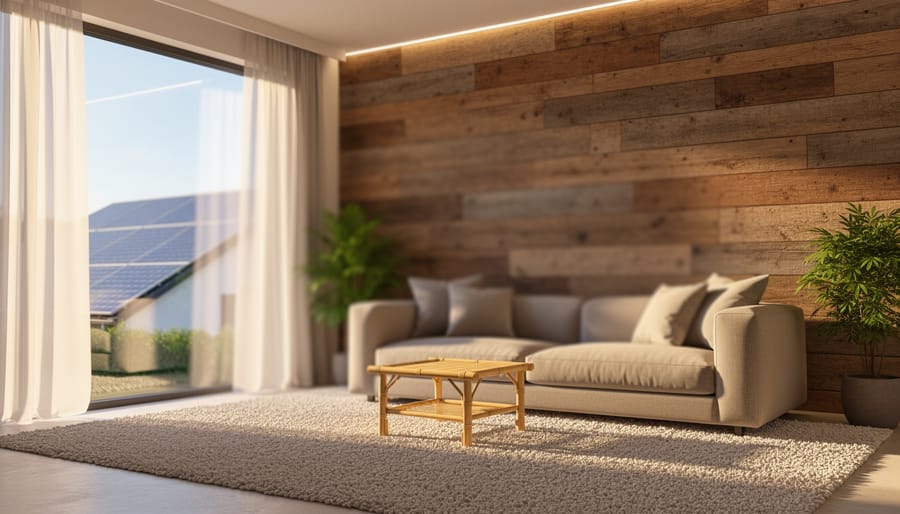
A sunlit interior with natural, reclaimed materials demonstrates how sustainable choices create healthier, comfortable living spaces.
Sustainable interior design is the practice of creating living spaces that respect both environmental limits and human wellbeing. At its core, it means making deliberate choices about materials, energy use, and space planning to reduce harm, extend product lifespans, and create healthier indoor environments for you and your family.
The philosophy rests on four fundamental principles. First, prioritize renewable, recycled, or responsibly sourced materials over virgin resources extracted through destructive processes. Second, minimize environmental impact throughout a product’s entire journey, from raw material extraction through manufacturing, transport, use, and eventual disposal. Third, create spaces that actively support health by eliminating toxins, maximizing natural light, and improving air quality. Fourth, design for longevity rather than trends, choosing durable items that resist obsolescence and can be repaired or repurposed rather than discarded.
Understanding a few key concepts helps clarify what makes design choices truly sustainable:
Embodied Energy
The total energy consumed to extract, manufacture, transport, and install a material or product. Lower embodied energy means less fossil fuel consumption and smaller carbon footprint.
Circular Economy
A system where materials cycle through reuse and recycling rather than following a one-way path to landfills. Products are designed from the start to become future resources.
VOCs (Volatile Organic Compounds)
Chemicals released as gases from paints, adhesives, and finishes that degrade indoor air quality and harm health. Low-VOC or zero-VOC alternatives protect your family while reducing environmental toxins.
Lifecycle Assessment
Evaluating a product’s total environmental impact from creation to disposal, not just its immediate qualities. This reveals hidden costs of seemingly cheap or convenient options.
Carbon Footprint
The total greenhouse gas emissions caused by an activity, product, or space. Sustainable design aims to reduce this through smart material choices and energy efficiency.
When I built my solar-powered home office three years ago, I applied these principles directly. Instead of new drywall, I used reclaimed barn wood for accent walls, which brought character and slashed embodied energy. I chose bamboo flooring because it regrows in three years versus decades for hardwood. The desk came from a local maker who works exclusively with salvaged materials. Every finish was zero-VOC to keep the air clean while I worked. Those decisions weren’t about perfection but about thoughtfully reducing impact where I could, which is exactly how sustainable interior design works in the real world.
How Sustainable Interior Design Works in Practice
The Material Selection Process
Painting with safer, low-toxicity finishes supports healthier indoor air while keeping the space looking fresh and durable.
Choosing materials isn’t about grabbing whatever looks greenest on the shelf. You need a framework. Start by asking four questions: Where did this come from? What’s in it? How long will it last? And what happens when I’m done with it?
Renewability matters because finite resources deplete. Bamboo flooring regenerates in three to five years versus the decades hardwood requires, making it a practical renewable choice. Reclaimed wood sidesteps the renewability question entirely, you’re reusing material already harvested, often with character modern lumber lacks.
Toxicity affects your health daily. Low-VOC paints eliminate the off-gassing that makes conventional paint smell and can trigger respiratory issues. Check for third-party certifications like Greenguard Gold rather than trusting vague “eco-friendly” claims on the label.
Sourcing distance directly impacts carbon footprint. A cradle-to-grave life-cycle assessment includes transportation emissions, which means locally milled wood often beats imported bamboo despite bamboo’s faster growth rate. Context changes the calculation.
Recyclability determines end-of-life impact. Recycled metal fixtures, cabinet pulls, light housings, shelf brackets, keep material in circulation and typically require less energy to produce than virgin metal. When you eventually replace them, they cycle back into the system rather than sitting in a landfill.
Evaluate each material against all four criteria, not just one. The most sustainable choice balances renewability, safety, proximity, and recyclability for your specific project and location.
Energy Integration and Efficiency
Sustainable interior design transforms spaces into active partners with your solar energy system rather than passive consumers. The most immediate impact comes from window placement and sizing, south-facing windows (in the Northern Hemisphere) capture winter sunlight that naturally warms your home during peak heating season, while properly sized overhangs block high summer sun. I learned this the hard way in my workshop; before adding a clerestory window on the north wall, I was burning through battery power running LED panels at midday.
Thermal mass materials like concrete floors, brick walls, or stone countertops absorb heat during sunny periods and release it slowly after sunset, smoothing out temperature swings without drawing from your solar battery bank. This passive temperature regulation pairs beautifully with active systems, homeowners often debate heat pump vs solar hot water options, but strategic thermal mass reduces demand on both by maintaining comfortable baseline temperatures.
Light-colored walls and reflective surfaces amplify natural illumination, pushing back the hour when you need artificial lighting. In my off-grid cabin, white-painted beadboard ceilings bounce daylight deep into the space, and I’ve reduced evening lighting loads by nearly 40% compared to my previous setup with dark wood paneling. For fixtures you do need, DC-powered LED options run directly from solar batteries without inverter losses, and task lighting concentrated where you actually work beats broad ambient lighting that wastes watts on empty corners.
Types of Sustainable Design Approaches
Whole-House Sustainable Retrofits
A whole-house retrofit tackles sustainability from foundation to ceiling, making it the most impactful approach when you’re ready for a serious transformation. Most homeowners pair this work with solar panel installation because the timing aligns perfectly, you’re already disrupting your home, so addressing structural inefficiencies alongside energy generation just makes sense.
The retrofit typically starts with the building envelope. Air-sealing gaps around windows and doors stops conditioned air from escaping, while upgrading to blown-in cellulose insulation (made from recycled newspaper) dramatically reduces heating and cooling loads. When your solar panels generate power, you don’t want to waste it compensating for poor insulation.
Window replacement follows similar logic. Swapping single-pane units for double or triple-pane models with low-E coatings cuts heat transfer by 50% or more. You’ll feel the difference immediately, rooms stay comfortable without constantly running HVAC systems.
Strategic material swaps complete the package: replacing vinyl flooring with sustainable cork or bamboo, switching to low-VOC paints throughout, installing LED fixtures that work beautifully with your solar setup. These changes compound. Each upgrade reduces your home’s energy appetite, meaning your solar array covers more of your actual consumption rather than making up for inefficiency.
Room-by-Room Incremental Changes
You don’t need to overhaul your entire home at once. Starting with a single room lets you test sustainable materials, learn what works, and spread costs over time, perfect if you’re renting or working within a tight budget.
The kitchen is often the easiest entry point. Swap paper towels for reusable cloths, replace plastic containers with glass, and add a small compost bin. When you’re ready for bigger changes, consider open shelving made from reclaimed wood instead of new cabinets, or install a solar-powered ventilation fan to reduce moisture without grid electricity.
Bedrooms benefit from organic cotton or linen bedding, which breathes better and avoids pesticide-heavy conventional cotton. A secondhand solid wood dresser refinished with low-VOC stain outlasts particleboard furniture and keeps materials out of landfills.
Bathrooms can shift to bar soap and refillable dispensers, cutting plastic waste immediately. Replace old fixtures with low-flow models, and if you have a skylight or south-facing window, leverage that natural light instead of running exhaust fans during the day.
This incremental method builds confidence and lets you see measurable improvements, lower energy bills, better air quality, less waste, before moving to the next space.
Off-Grid and Solar-First Design
An off-grid, solar-compatible interior illustrates how sustainable design aligns everyday comfort with renewable energy systems.
When you’re designing a space that runs entirely on solar power, you quickly learn that every interior decision either works with your system or against it. I discovered this the hard way during my first off-grid cabin project, beautiful dark wood paneling looked amazing but absorbed so much light that I needed twice as many fixtures to compensate.
Solar-first design means making interior choices that reduce your overall energy demand. Light-colored walls and ceilings bounce natural light deeper into rooms, cutting daytime electrical use by 30 to 40 percent in my experience. Reflective surfaces near south-facing windows act as passive light multipliers. I now position workspaces and reading areas where sunlight naturally falls rather than adding task lighting.
Material selection becomes strategic. Thermal mass materials like exposed concrete floors or stone accent walls store solar heat during the day and release it at night, smoothing temperature swings without drawing from your battery bank. In my workshop, a polished concrete floor absorbs morning sun and keeps the space comfortable well into evening, eliminating the need for electric heating most days.
Every appliance and fixture gets scrutinized for energy draw. Low-flow fixtures conserve hot water heated by solar thermal collectors. LED lighting throughout is non-negotiable. Even furniture placement matters, keeping tall pieces away from windows maximizes passive solar gain. You’re not just decorating; you’re designing a system where the interior architecture actively supports energy independence.
Where and How Sustainable Interior Design Is Applied
Solar-Powered Homes and Cabins
In permanent solar-powered homes and off-grid cabins, every interior design choice either supports or undermines your energy independence. The goal is creating spaces that demand less power while making the most of what your solar array produces.
Start with thermal efficiency. Thick curtains or cellular shades reduce heat loss in winter and block solar gain in summer, cutting HVAC loads significantly. In my own cabin, adding insulated window treatments dropped heating needs by nearly 30%. Thermal mass materials like concrete floors or stone accent walls absorb heat during the day and release it at night, naturally smoothing temperature swings without touching your battery bank.
Lighting matters enormously. LED fixtures throughout the home use 75% less energy than incandescent bulbs, but placement matters too. Position work areas near windows to maximize daylight hours before artificial lighting kicks in. A well-designed solar-powered kitchen puts the sink and prep counter along south-facing windows, keeping lights off until evening.
Choose low-consumption appliances and fixtures religiously. A standard electric water heater can consume half your daily solar production, but an on-demand propane unit or solar thermal system eliminates that drain entirely. Every watt saved in your interior design extends your solar system’s capability and reduces the array size you need.
Van Conversions and Mobile Living
Van conversions represent one of the most exciting applications of sustainable interior design, where every square inch counts and environmental impact travels with you. The lightweight materials that make sense for fuel efficiency, bamboo plywood, recycled aluminum panels, cork flooring, also happen to be sustainably sourced. I’ve seen dozens of van builds where the owner ripped out factory plastic components and replaced them with reclaimed cedar tongue-and-groove, cutting weight while creating a healthier interior free from off-gassing.
Solar integration drives most design decisions in these mobile spaces. Roof-mounted panels determine where you can place skylights, and battery placement influences cabinet configuration. The best conversions I’ve studied use every design choice to support energy independence, LED strips instead of traditional fixtures, 12V appliances that run directly from solar batteries, and minimal insulation that maintains thermal efficiency without adding bulk. Some builders even integrate solar-powered water tanks into compact shower systems.
Space efficiency becomes a sustainability strategy itself: a well-designed fold-down table eliminates the need for separate desk and dining surfaces, reducing material use and weight. Multi-function furniture isn’t just practical, it’s genuinely sustainable.
Workshop and Garage Spaces
A sustainably arranged workshop shows how durable materials and smart natural lighting support DIY projects with lower environmental impact.
Your workshop or garage is where sustainable principles meet hands-on reality. I’ve rebuilt my own workspace three times now, each iteration teaching me what actually holds up under daily use versus what just sounds eco-friendly.
Start with flooring that can handle dropped tools and spilled solvents, polished concrete works brilliantly. It’s durable, easy to clean, and if you’re pouring new, you can add recycled aggregate or use existing concrete instead of tearing it out. For walls, skip drywall in favor of plywood or OSB made from reclaimed wood. These surfaces let you mount shelves and pegboards anywhere without hunting for studs.
Natural lighting transforms workshop usability while cutting daytime electricity consumption. If you can swing it, add skylights or larger windows on the north side for consistent, shadow-free light. I positioned my main workbench directly under a skylight, and I rarely need artificial lighting before 4 PM.
Storage matters more than you’d think. Build shelving from salvaged lumber, use old pallets for vertical tool storage, and repurpose metal shelving units from closed factories. Glass jars for hardware, reclaimed filing cabinets for small parts, every organizational solution can come from someone else’s discarded materials rather than buying new plastic bins.
Getting Started: Practical First Steps for DIYers
Start with a single room assessment. Walk through your space and identify one area where you spend the most time, maybe it’s your kitchen, bedroom, or that workshop where you tinker with solar panels. Look at what’s already there before buying anything new. I’ve found that sustainable design often starts with not replacing things that still work perfectly fine.
Measure your natural light patterns over a few days. Note which windows get morning sun, afternoon light, or stay shaded. This tells you where you can rely on daylight instead of electric fixtures, and where adding a solar-powered LED might make sense. If you’re already running a solar system with DIY rapid shutdown components, you’ve got the foundation to integrate low-voltage lighting directly.
Make a materials swap list. Pick three items you’ll eventually need to replace anyway, paint, flooring, or window treatments, and research sustainable alternatives now. When that paint finally chips or the rug wears through, you’ll know exactly what to buy instead of defaulting to the cheapest option at the hardware store.
Check your local salvage yards and architectural reclaim shops. Reclaimed wood, vintage fixtures, and secondhand furniture often cost less than new materials while eliminating manufacturing impact entirely. I’ve built entire shelving systems from lumber pulled out of old barns, and they’ve outlasted anything I could’ve bought retail.
Calculate your energy baseline. We’re building a solar-interior design calculator tool that’ll show you how material choices affect your home’s energy consumption, but you can start manually. Track your lighting usage, see where heat escapes in winter, and identify which rooms feel uncomfortable. Sustainable interior changes should reduce the load on your solar array, not fight against it.
Start a project journal. Document what you change, what it cost, and how it performs over time. Share your wins and mistakes with the community, we all learn faster together.
Common Questions About Sustainable Interior Design
I get it, you’re excited about sustainable interior design, but you’ve probably got some nagging doubts holding you back. Let me clear up the most common concerns I hear from DIYers in the Spheral Solar community.
Is sustainable interior design more expensive?
Not necessarily. While some eco-friendly materials carry premium prices, many sustainable choices actually save money, reclaimed wood costs less than new lumber, energy-efficient fixtures reduce utility bills, and durable materials mean fewer replacements. Starting with small, strategic changes keeps costs manageable.
Can I tackle sustainable design projects myself?
Absolutely. Most sustainable interior upgrades are perfect DIY projects, painting with low-VOC products, installing LED fixtures, refinishing secondhand furniture, or adding thermal curtains require basic skills you likely already have. Start with what feels comfortable and build from there.
Will sustainable design choices work with my solar system?
They’re actually designed to work together. Sustainable interiors reduce energy demand through better insulation and natural lighting, which means your solar panels handle the load more easily and you might need fewer panels overall. The two approaches complement each other perfectly.
How can I verify materials are genuinely sustainable?
Look for third-party certifications like FSC for wood, GreenGuard for low emissions, or Energy Star for fixtures. Ask suppliers about sourcing and manufacturing processes, and trust local salvage yards and reclaimed material sources where you can see the products firsthand.
The aesthetic concern comes up constantly too. Some folks worry sustainable design means sacrificing style for eco-credentials, but that’s outdated thinking. Reclaimed materials offer character and uniqueness you can’t get from big-box stores. Bamboo flooring rivals hardwood in appearance. Low-VOC paints come in every color imaginable. You’re not limited to a granola-aesthetic unless that’s your preference.
For renters, the situation isn’t as limiting as you might think. Focus on what you control: furniture choices, window treatments, lighting fixtures you can take with you, and removable improvements your landlord might even appreciate. A quality secondhand bookshelf or some blackout curtains for thermal efficiency work in any living situation. You’re building sustainable habits and a collection of materials that move with you to your next place, or eventually to that solar-powered home you’re planning.
Sustainable interior design isn’t just about choosing the right paint or furniture, it’s about creating spaces that work in harmony with the renewable energy systems powering your home. When you pair thoughtful material choices with solar installations, you’re building something bigger than the sum of its parts: a home that truly minimizes its environmental footprint while maximizing comfort and functionality.
The beauty of this approach is that you don’t need to transform everything overnight. Start with one room, one material swap, or one energy-efficient lighting upgrade. Each decision you make, whether it’s installing bamboo flooring that doesn’t compete with your solar budget or choosing reclaimed wood shelving for your workshop, moves you closer to a genuinely sustainable living space. These choices compound over time, just like the energy savings from your solar panels.
I’ve learned through my own projects that sustainable design works best when it’s collaborative. The challenges you face in your solar-powered cabin or van conversion are the same ones other DIYers are tackling right now. Share your material discoveries, your design wins, and even your mistakes with the Spheral Solar community. Someone else will benefit from knowing which low-VOC paint held up best in your climate or how you maximized natural light in a north-facing room.
Your interior design choices are part of your renewable energy journey, not separate from it. Every sustainable material you select, every passive cooling strategy you implement, supports the solar system working quietly on your roof. You’re not just decorating, you’re building a complete ecosystem of sustainability, one thoughtful decision at a time.
How useful was this post?
Click on a star to rate it!
Average rating 0 / 5. Vote count: 0
No votes so far! Be the first to rate this post.
We are sorry that this post was not useful for you!
Let us improve this post!
Tell us how we can improve this post?
charlesnoble
Here at Spheral Solar, I’m a hands-on solar power enthusiast, constantly exploring and experimenting with DIY solutions. I’m dedicated to sharing my discoveries, insights, and even the bumps I hit along the way, all in the pursuit of a more sustainable future.
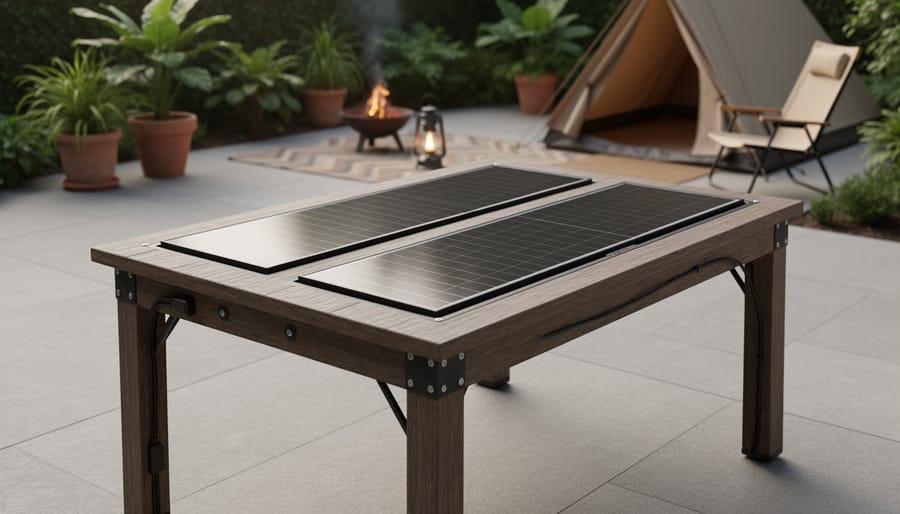
How to Build a Solar Powered Outdoor Table for Your… by Charlesnoble September 20, 2026 Building a solar powered outdoor table takes about 8 to 12 hours and requires basic woodworking skills plus some familiarity with electrical connections. You’ll mount solar panels directly onto a custom-built or modified outdoor table, wire them to a charge controller and battery system housed underneath, and add USB ports…
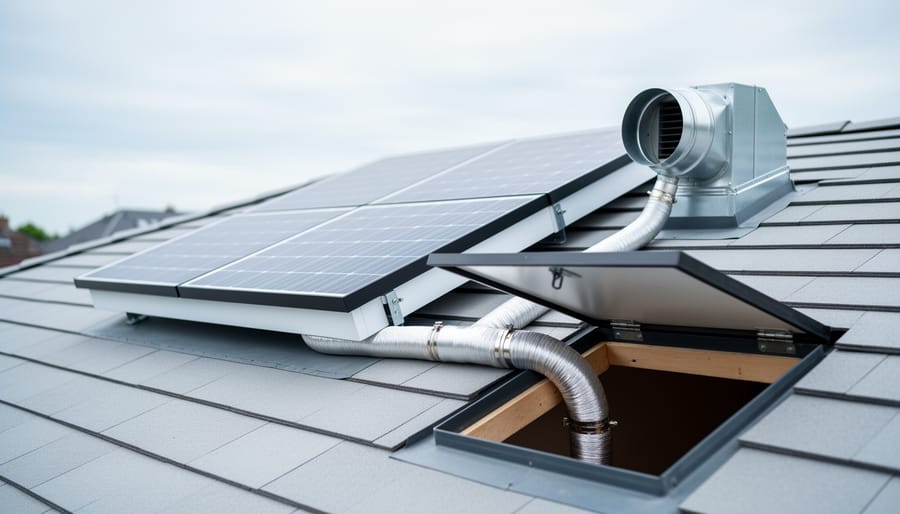
How to Install a Whole House Ventilation System… by Charlesnoble July 12, 2026 Installing a whole house ventilation system powered by solar takes about 6 to 8 hours for a moderately skilled DIYer and delivers continuous fresh air circulation without touching your electric bill. The core method involves mounting a solar panel on your roof to power an intake or exhaust fan, routing…
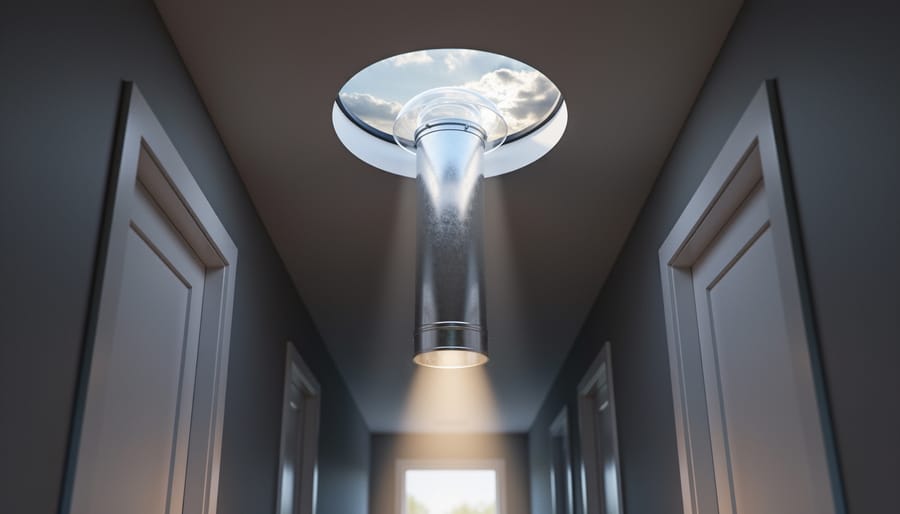
How to Make DIY Solar Tubes for Free Natural… by Charlesnoble July 7, 2026 You can build a DIY solar tube for $50 to $150 and start harvesting natural daylight in a weekend. This simple project combines a reflective tube, clear dome, and diffuser to channel sunlight from your roof into dark interior spaces, delivering illumination equivalent to multiple bulbs without electrical costs or…
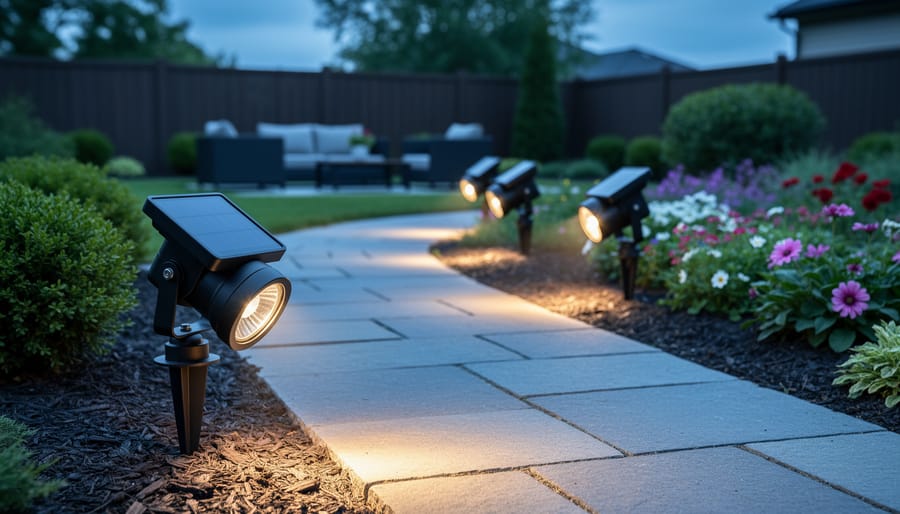
6 Best Solar Spot Lights of 2026, Tested and Reviewed by Charlesnoble August 8, 2026 After testing dozens of solar spotlights in real-world conditions throughout 2026, the AloftSun Solar Motion Sensor Outdoor Lights emerged as the top overall choice for most homeowners, thanks to its reliable performance and versatility across different landscape lighting scenarios. But picking the right solar spotlight depends entirely on what you’re…
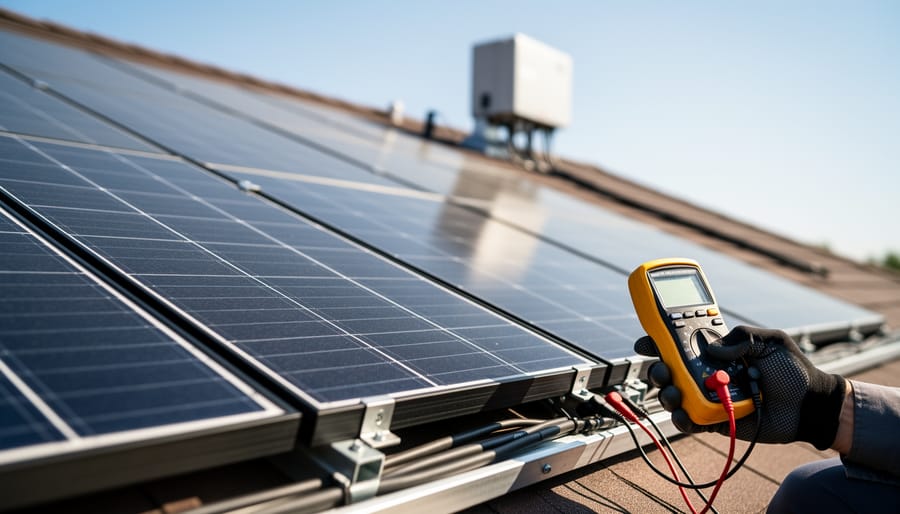
How to Run Functional Performance Testing on Your… by Charlesnoble August 17, 2026 Functional performance testing measures whether your DIY solar system delivers the power output it’s designed to produce. You’ll check voltage, current, and total wattage under real-world conditions, then compare those numbers to your system’s nameplate ratings to calculate a Performance Ratio, the gold standard metric that tells you if everything’s…
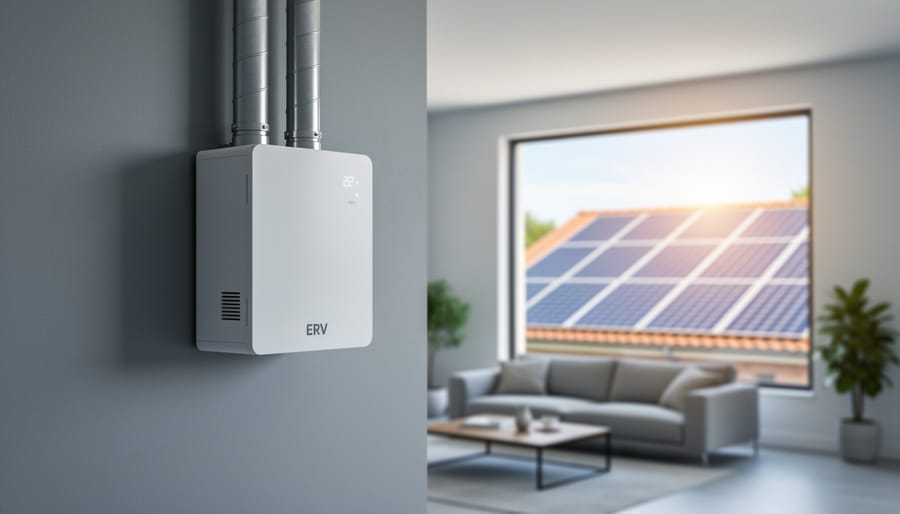
Residential ERV Systems: How They Work with Solar… by Charlesnoble August 9, 2026 A residential ERV (Energy Recovery Ventilator) exchanges stale indoor air with fresh outdoor air while recovering up to 80% of the heating or cooling energy that would otherwise be lost, and when paired with solar power, it delivers year-round ventilation with virtually no grid electricity cost. Unlike a simple exhaust…
Subscribe for handpicked DIY projects, exclusive tips, and giveaways.
Building a solar powered outdoor table takes about 8 to 12 hours and requires basic woodworking skills plus some familiarity with electrical connections. You’ll mount solar panels directly onto a custom-built or modified outdoor table, wire them to a charge controller and battery system housed underneath, and add USB ports or AC outlets for charging… Read more: How to Build a Solar Powered Outdoor Table for Your Camping Setup
Charging a battery bank with a 3-phase inverter requires connecting your inverter’s AC output to a compatible battery charger or hybrid inverter system that can convert the 3-phase power back to DC for storage. Most DIY solar setups achieve this by using a hybrid inverter that handles both solar input and battery charging simultaneously, or… Read more: How to Wire and Configure a Battery Inverter 3 Phase System for Off-Grid Solar
Wiring a 7-pin RV plug correctly connects your tow vehicle to your trailer’s lights, brakes, and auxiliary power in about 45 minutes with basic hand tools and careful attention to the color-coded wire standard. The diagram follows a specific layout mandated by the RV Industry Association: each pin controls a distinct function, from left turn… Read more: How to Wire a 7-Way RV Plug: Step-by-Step Diagram and Setup Guide