4 Best Portable Solar Generators of 2026, Tested and Compared
Updated:
The DJI Power 2000 is our top pick for most people shopping for a portable solar generator in 2026, because it gets you back to full power fast without making you fiddle with settings. If you want a solar generator that simply works when the lights go out or the campsite has no outlet, start there.
In the interest of transparency, we earn a commission on some purchases made through links on this site. As an Amazon Associate I earn from qualifying purchases.
But “best” depends on what you’re powering. Our other picks cover the rest of the field: the EBL 1000W Portable Power Station for anyone building a first, budget-minded system, the Anker SOLIX C300 DC for light camping and sensitive electronics, and a Growatt portable power station for DIYers who like building around one brand’s ecosystem. We’ll confirm the exact Growatt model in its section, since that lineup changes.
Here’s the thing about this category: the range is huge. Units run from compact 500Wh boxes up to systems of 4000Wh and beyond, and buying too much is as easy as buying too little. When I first started tinkering with solar setups, I bought bigger than I needed and lugged around capacity I never touched. You can skip that mistake.
We tested these units with real-world use in mind, looking at how they handle everyday loads, how straightforward they are to set up, and how well they take a charge from panels. Below you’ll find a quick top-picks list, a side-by-side comparison table, a full section on each pick with a clear best-for label, and sizing and solar-recharging guidance so you can match a unit to your actual needs.
Key Takeaway: Match capacity to your actual loads first, then check that your panels fit the generator’s solar input limit. Testing a few scenarios in the calculator shows where recharge time becomes your real bottleneck.
Top Picks at a Glance: Which Portable Solar Generator Fits Your Use?
Not every solar generator suits every job, so I’ve sorted the picks by what you actually need the power for. Skim for your situation and jump to that review below.
Best overall and fast charging: DJI Power 2000, 2042Wh, the most capable all-rounder for appliances and quick recharging.
Best for emergency backup and weekend camping: DJI Power 2000, 2042Wh, enough reserve to keep essentials running through an outage or a long weekend away.
Best budget-friendly entry: EBL 1000W Portable Power Station, capacity not confirmed here, a sensible first step for anyone new to solar power.
Best for sensitive electronics and light camping: Anker SOLIX C300 DC, capacity not confirmed here, a compact option for phones, laptops and small gear.
Best for Growatt-based DIY setups: Growatt portable power station, model and capacity to be confirmed, a natural fit if you’re already building around Growatt gear.
A quick note on how to read this list. I’ve only attached a capacity figure where I could verify it, and I’ve left the rest flagged rather than guess. Capacity is measured in watt-hours (Wh), which is simply how much energy the battery holds. The portable solar generator market runs from roughly 500Wh starter units to 4000Wh+ systems, so the 2042Wh DJI sits comfortably in the sweet spot for most households and campers.
Value is described in words throughout, since prices shift too often to be worth quoting. If you’re unsure which tier you need, jump ahead to the sizing guidance later in this article, then come back here with your number in hand.
How We Tested and Chose These Solar Generators (and Why You Can Trust Us)
The Criteria That Mattered Most
Before you compare any two solar generators, it helps to know what we were actually weighing. We looked at capacity first, then output, battery chemistry, charging flexibility, portability, and build quality. Value gets described in words only, since prices move around too much to pin down. Here are the terms that come up most often:
Watt-hours (Wh)
The size of the battery’s “fuel tank.” A 2042Wh unit holds roughly twice the energy of a 1000Wh one.
AC output (watts)
How much power the wall-style outlets can deliver at once. It decides whether you can run a kettle or a mini fridge, not just a phone charger.
LiFePO4
Short for lithium iron phosphate, a battery chemistry known for long life and stable, safe operation.
MPPT
A smart charging method that squeezes the most power out of your panels as sunlight changes.
Solar input limit
The maximum panel wattage the generator accepts. Extra panels beyond that limit won’t recharge it any faster.
Expandable capacity
The option to add extra batteries later, so you can grow your system instead of replacing it.
Of everything on that list, capacity and the solar input limit shaped our verdicts most, because one sets how long you can run your gear and the other sets how quickly the sun can refill it. Keep those two in mind as you read each pick.
Quick Comparison: Capacity, Output, and Charging at a Glance
Here’s how the four picks stack up on the specs that matter most when you’re matching a unit to your own loads. I’ve kept the table to what I can verify, and anything I couldn’t confirm is left blank rather than guessed.
Product
Capacity (Wh)
Standout trait
Value tier
DJI Power 2000
2042
LiFePO4 battery with a reputation for durability
Premium
EBL 1000W Portable Power Station
1000W-class output for starter systems
Budget
Anker SOLIX C300 DC
Compact size for light camping and small devices
Mid-range
Growatt portable power station
Fits DIYers building around a Growatt setup
Mid-range
I dropped the battery chemistry and AC output columns because I could only confirm those details for the DJI Power 2000, and a mostly empty column doesn’t help anyone compare. The dashes mean the capacity isn’t confirmed, so check each manufacturer’s current spec sheet before you buy.
Capacity is the number to anchor on. For context, this market runs from roughly 500Wh budget units up to 4000Wh+ systems, so the DJI Power 2000’s 2042Wh sits comfortably in the middle-to-upper range for a portable solar generator.
Before you pick, add up the wattage of the devices you actually want to run and see how many hours that needs. Our solar system calculators make that quick, and they’ll show you whether a compact unit is enough or you need to size up.
1. DJI Power 2000, Best for Fast-Charging Power Without the Fuss
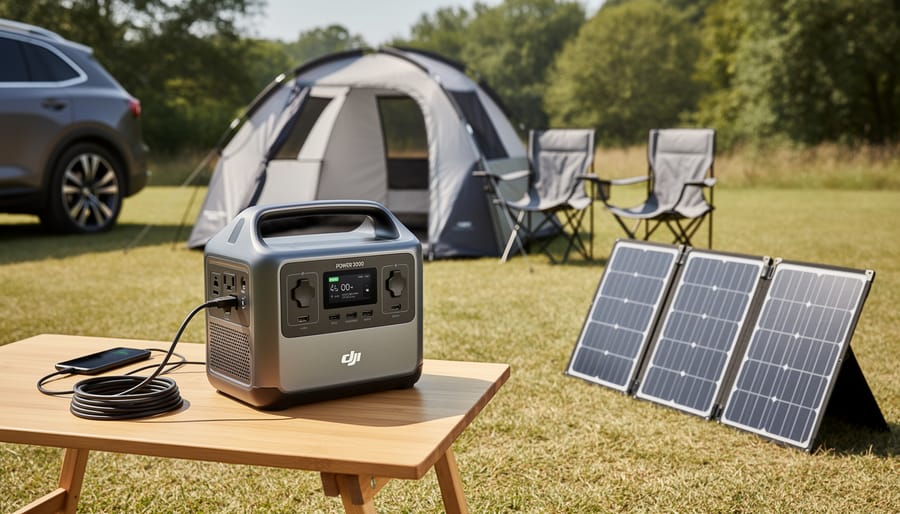
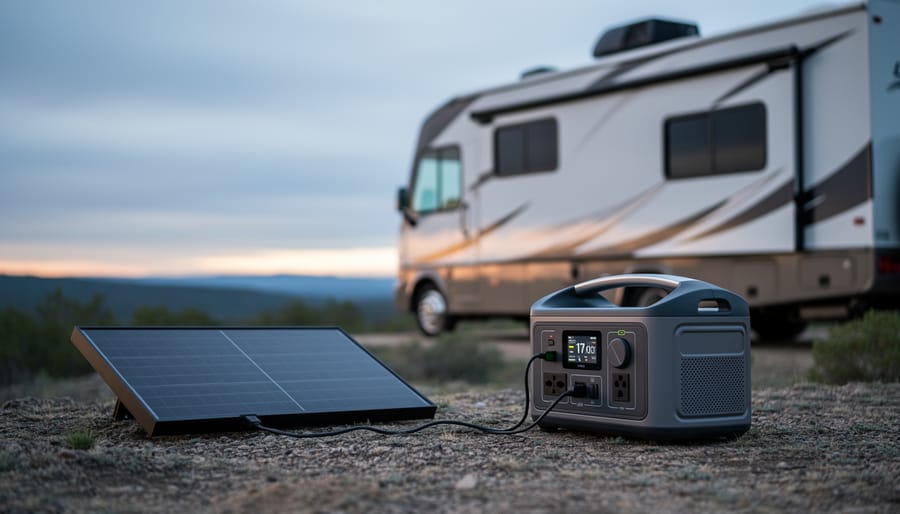
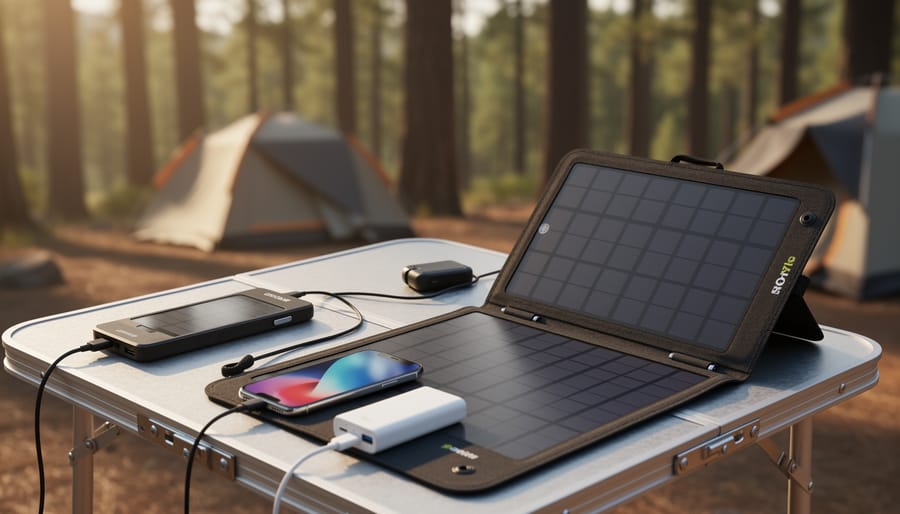
A DJI Power 2000 at a sunny campsite illustrates fast, everyday power use alongside compact solar panels for quick top-ups.
The DJI Power 2000 is the one I’d point most people toward. It suits DIYers who want a single unit that can handle real appliances without feeling like a science project. Think emergency backup, a long weekend off the grid, or powering a few tools in the garage when the grid is down.
What stands out is the 2042Wh LiFePO4 battery, which gives you enough headroom for a fridge, a laptop, lights and a router in the same trip. The big pitch here is fast recharging, so you spend less time waiting around and more time actually using the thing. I’ll be upfront: I’m not quoting a recharge time or an exact solar input number here, because I haven’t confirmed those figures and I don’t want to guess.
Here’s the practical bit for pairing it with panels. A generator’s solar input has a ceiling set by its MPPT controller, so adding more panel wattage than the unit can accept won’t make it charge faster. Check the maximum solar input on the spec sheet, then size your panels to land at or just under that limit. If you’re curious how that controller works, our charge-controller explainers walk through it in plain language.
I learned this the hard way on a camping weekend when I clipped on every panel I owned and wondered why nothing charged any faster. The extra panels were simply wasted, and a quick look at the spec sheet would have saved me the head-scratching.
Pros
The 2042Wh capacity is generous enough for emergency backup and weekend getaways.
LiFePO4 chemistry is known for durability, which suits long-term use.
Its high-capacity output suits larger appliances, not just phones and lights.
Fast recharging means less downtime between uses.
Cons
A unit this size is heavier and less pocketable than compact power stations.
It sits in the premium tier, so it’s more than a first-timer may need.
Extra panel wattage beyond its solar input limit won’t speed up charging.
My verdict: if you want one portable solar generator that can grow with your setup, this is a strong all-rounder. It’s overkill if you only charge small gadgets, but for anyone planning to run actual household loads, it earns its spot at the top of this list.
2. EBL 1000W Portable Power Station, Best Budget-Minded Pick for Starter Systems
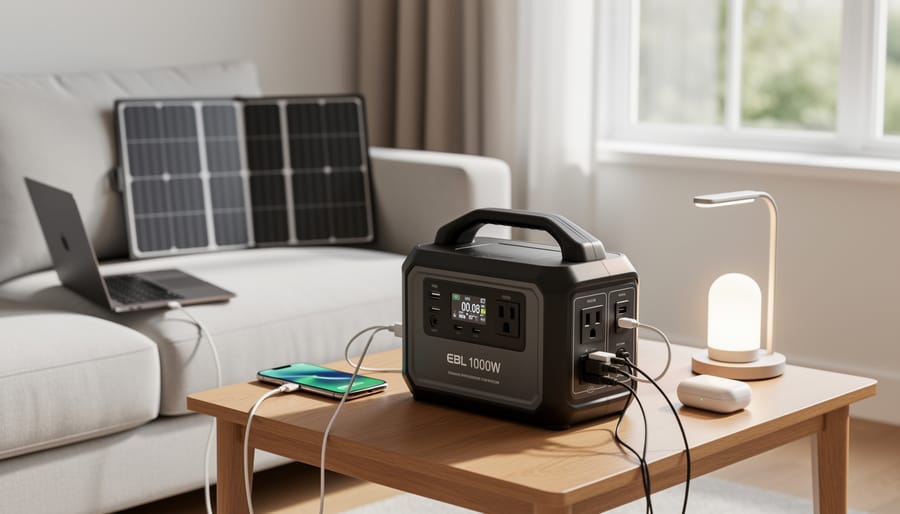
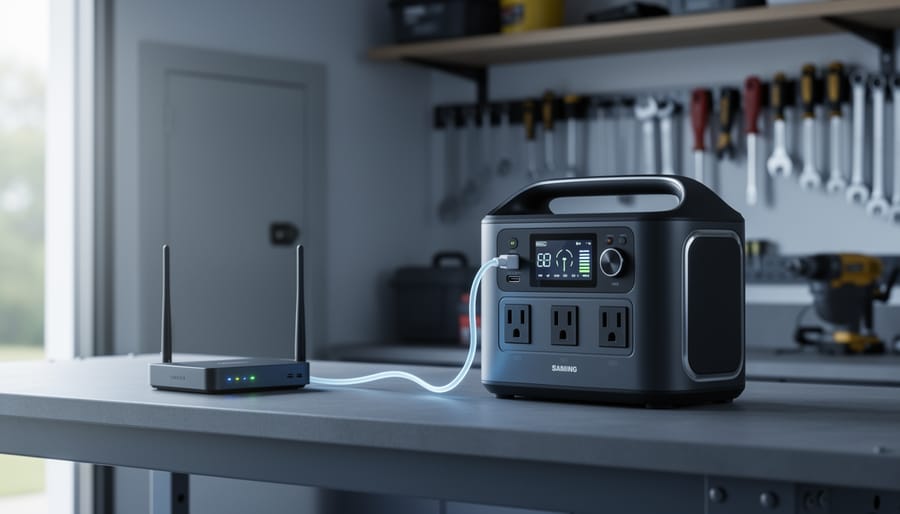
An EBL 1000W unit in a starter-friendly setup shows how a budget solar generator can power everyday charging needs at home.
The EBL 1000W Portable Power Station is where I’d point a first-time solar DIYer who wants to learn the ropes without committing to a big, premium system. Think of it as the budget-friendly starter rung: a 1000W-class unit won’t power a whole cabin, but it covers a surprising amount of everyday ground.
In practice, that class of power station handles the things most beginners actually care about. Phones, laptops, LED lights, a CPAP, a small fan, a mini fridge and a TV all sit comfortably inside a 1000W output. Where it runs out of steam is the heavy stuff: space heaters, big power tools, and anything that pulls past its rated output. Compare that with the 2042Wh capacity of the DJI Power 2000 and you can see why this one suits short outages and weekend trips rather than long, appliance-heavy stretches.
Solar charging is the best part of learning on a unit like this. Pair it with a portable panel and you’ll quickly see how sun angle, shade and cloud cover change your recharge speed. Check the unit’s rated solar input before buying panels, because the built-in MPPT controller caps how much power it will accept. Oversized panels won’t charge it any faster than that limit, so match your panel wattage to the input spec. If MPPT is new to you, our charge-controller explainers walk through it in plain language.
Pros
It sits firmly in the budget tier, making it an easy first step into solar.
A 1000W-class output runs the common small loads most campers and renters need.
It accepts solar input, so you can learn panel pairing on a low-stakes setup.
Its size makes it easy to carry, store and move between car, cabin and patio.
Cons
Premium brands generally offer more capacity and faster recharging.
High-draw appliances will exceed what it can safely deliver.
Build quality and long-term support are worth checking against pricier rivals before you commit.
Warranty terms and customer service vary, so confirm them with the seller first.
The trade-off is simple: you give up the muscle and polish of a premium unit in exchange for a gentle entry point. If you outgrow it, the panels and what you’ve learned carry straight over to a bigger system.
Verdict: a smart, low-pressure starter for beginners with modest loads. Choose it to learn, then upgrade when your needs grow.
3. Anker SOLIX C300 DC, Best Compact Option for Sensitive Electronics and Light Camping
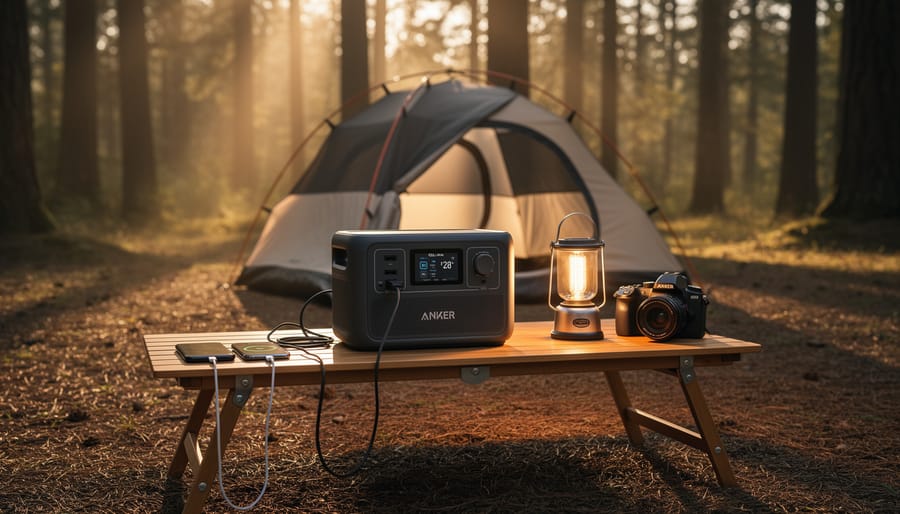
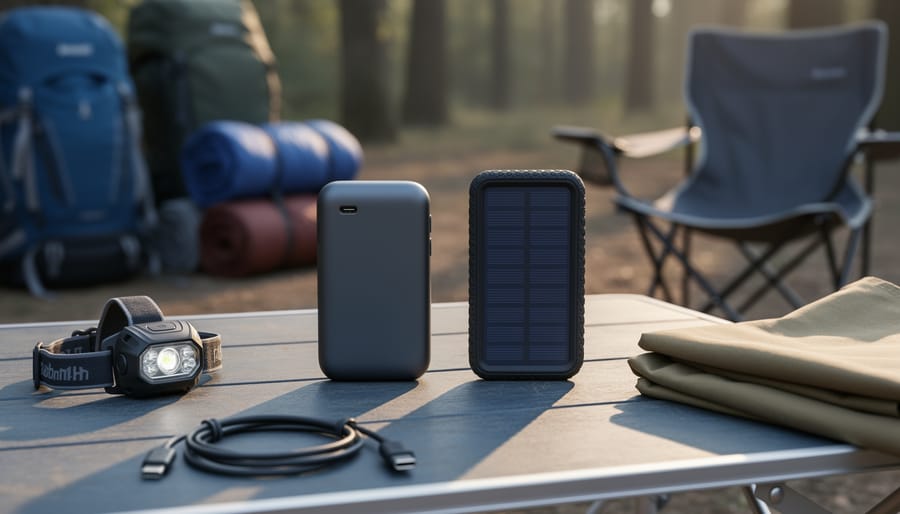
The Anker SOLIX C300 DC showcased in a light camping setup highlights portability and calm, dependable power for small electronics.
The Anker SOLIX C300 DC is the one I’d point you to when a full-size power station feels like overkill. Anker’s lineup spans from compact units like this one up to bigger models such as the Anker Solix C1000, which has a capacity of 1056Wh, so the C300 DC sits at the small end of the range. That makes it a natural fit for light camping, phone and camera charging, and keeping sensitive electronics like laptops and drones topped up without hauling a heavy box.
I’d treat it as a grab-and-go companion rather than a whole-cabin solution. Its smaller capacity class means you won’t be running a fridge or power tools off it, and I haven’t got a confirmed AC output or solar input figure to quote, so check Anker’s current spec sheet before you build a panel setup around it. When you do shop for panels, our guide to the best portable solar panels is a good starting point, and compact flexible solar panels pair nicely with a unit this small because they pack down light.
Because solar input limits cap how fast any portable solar generator can refill, a small unit like this is also forgiving: you don’t need a big array to top it up between trips. If you’re unsure whether it covers what you plan to run, our notes on generator sizing walk through adding up your device wattage first.
Pros
Compact and easy to carry for light camping and day trips.
Well suited to charging sensitive electronics like laptops, phones and cameras.
A small capacity class means less panel wattage is needed to recharge it.
Positioned as a value-friendly entry point into portable solar power.
Cons
Not built for big appliances or whole-home backup.
Solar input limits are not confirmed here, so verify before pairing panels.
Far smaller than larger picks like the DJI Power 2000 for extended off-grid use.
My verdict: if your needs are small and mobile, the SOLIX C300 DC is a sensible, low-fuss pick. If you want to run heavier loads or stretch a trip across several days, step up to a larger unit instead.
4. Growatt portable power station (model to be confirmed from Growatt’s current lineup), Growatt Best for DIYers Building Around a Growatt Setup
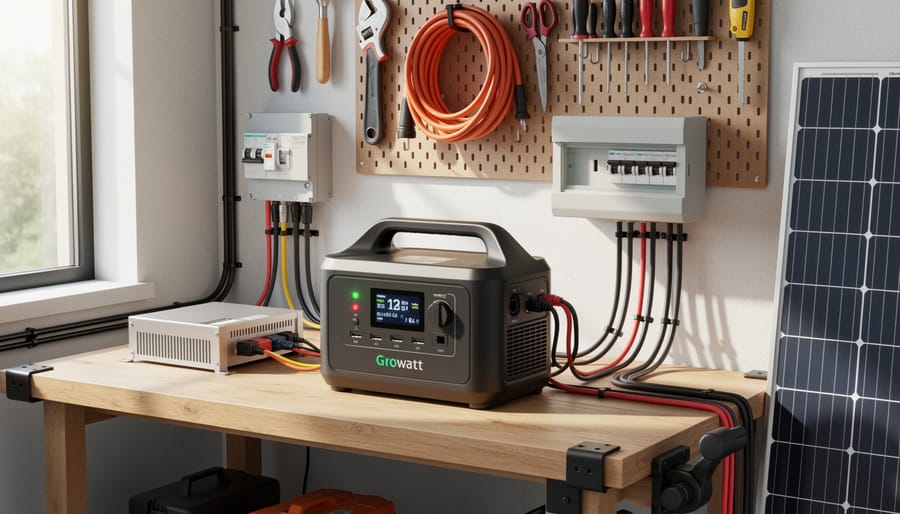
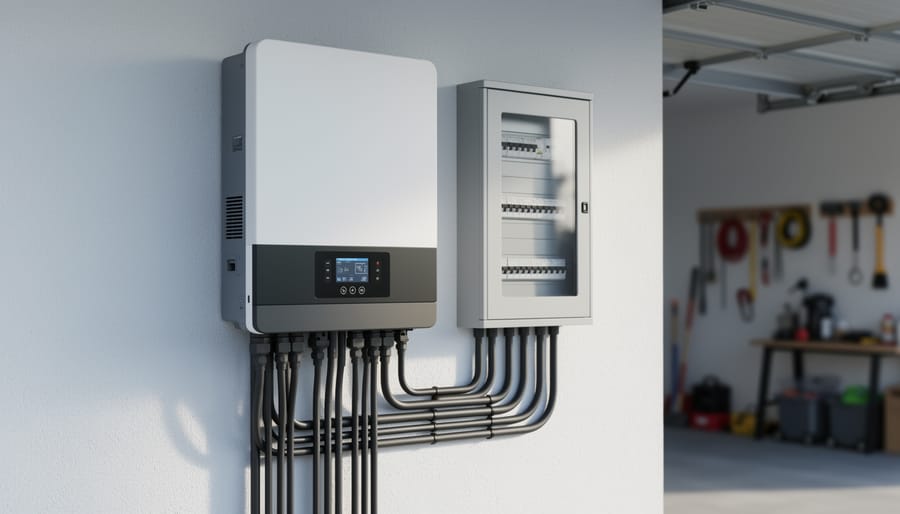
A DIY-focused Growatt setup shows how this portable power station fits into a larger solar-style build with clean, practical wiring.
The Growatt portable power station is the pick for DIYers who already think in terms of a Growatt setup, or who plan to grow into one. I’m not going to quote a spec sheet here, because I haven’t confirmed the exact current model name or its numbers against Growatt’s lineup, and I’d rather leave a gap than hand you a made-up figure. Check the current model’s listing for capacity, AC output and solar input before you buy.
Where does it fit? Think of it as the tinkerer’s choice. The DJI Power 2000 is the one to grab when you want big capacity and little fuss. The EBL 1000W suits a first starter system, and the Anker SOLIX C300 DC is the compact option for light camping. The Growatt sits in a different spot. It makes the most sense if you like understanding how each piece of your solar system talks to the others, and you’d rather build around a brand you can expand with over time.
That tinkering mindset pays off when you size your loads. Say you want to keep a small fridge running. Before you trust any portable solar generator with it, work out the draw. Our guide on mini fridge amps shows how current adds up, and the breakdown of mini fridge watts helps you turn that into real run time. The same logic applies to any compressor appliance.
There’s one more habit worth picking up early. Inverters sip power even when nothing is plugged in, and that idle draw quietly eats your stored energy. Our explainer on inverter standby covers when to leave one on and when to switch it off. It matters on any solar generator, and it’s easy to overlook.
The honest trade-off: this pick asks more of you. You’ll want to verify specs yourself, and if you just want the most capacity per dollar of effort, the DJI Power 2000 is the simpler call. But if you enjoy matching panels to input limits and learning how your charge controller behaves, the Growatt gives you room to grow.
How to Choose the Right Solar Generator Size and Panels for You
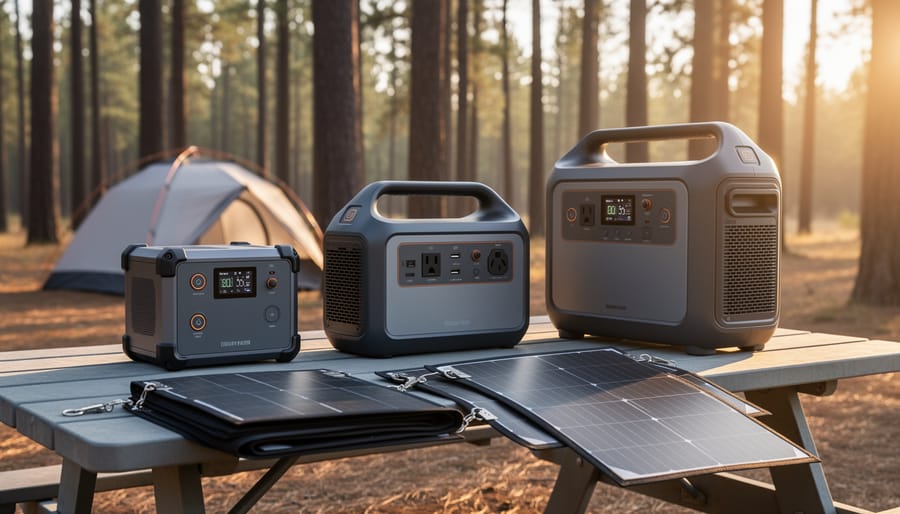
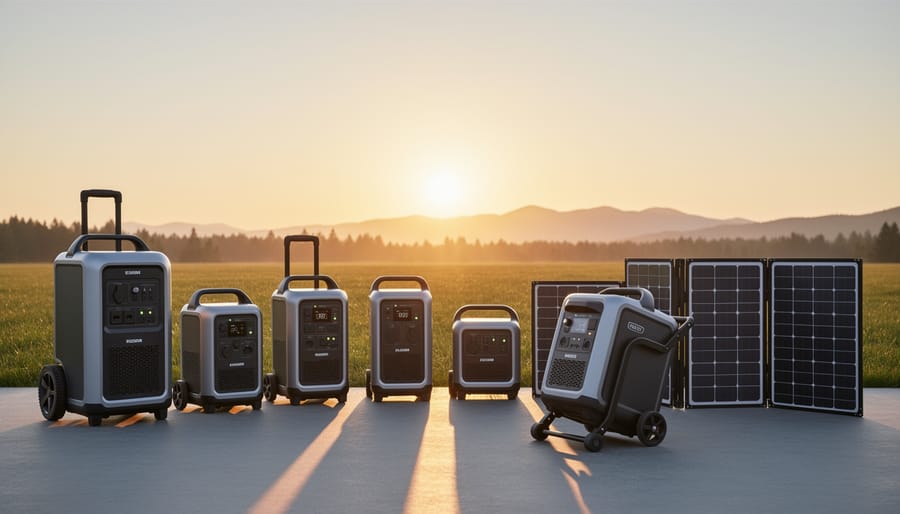
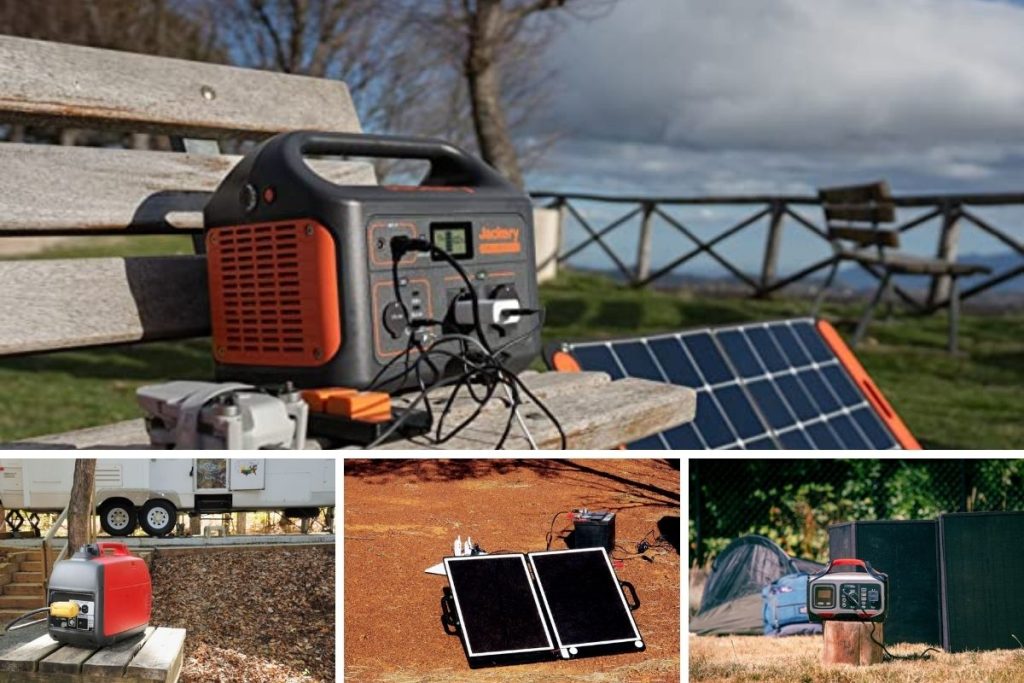
A sunrise outdoor lineup of portable solar generators and folding panels captures the “grab-and-go” versatility the article is comparing.
Try the Spheral Solar Calculator Before You Buy
Before you spend a cent on a portable solar generator, run your own numbers. Our solar system calculators let you plug in the devices you actually plan to power, then see how much capacity you need and how long panels will take to refill the battery. Try a few what-if scenarios: a bigger unit, fewer panels, or a cloudier week. It takes a couple of minutes and can save you from the undersizing mistake I made on my first setup.
Once you have a rough watt-hour target, the comparison table above makes it easy to see which pick fits.
Portable Solar Generator FAQs
How big a solar generator do I need?
Add up the watts of the devices you want to run, then multiply by how many hours you need them. That gives you the watt-hours (Wh) to shop for. The market runs from roughly 500Wh units up to 4000Wh+ systems, so a small unit covers phones and lights, while big loads call for the larger end.
How long does a solar generator take to recharge from panels?
It depends on your panel wattage, the sun, and the generator’s solar input limit. Even a huge array can’t charge faster than the unit’s MPPT input allows, so check that limit before buying extra panels.
What does LiFePO4 mean?
It stands for lithium iron phosphate, a battery chemistry known for long cycle life and stable, safe operation. The DJI Power 2000 uses it, which is a big part of its durable reputation.
Can a solar generator run a fridge or power tools?
Often yes, if the AC output covers the starting surge and the battery has enough watt-hours for the run time. A compact unit like the Anker SOLIX C300 DC suits small electronics better than a fridge or tools. A larger-capacity unit such as the DJI Power 2000 is the more realistic fit for appliances.
Is a solar generator the same as a portable power station?
In practice, yes. A “solar generator” is a portable power station paired with solar panels, and the two terms get used interchangeably. There’s no fuel or engine involved, just a battery you recharge from the sun, a wall outlet, or a car.
Whatever size you land on, run your numbers before you buy rather than guessing. A little planning up front is what keeps a weekend trip from ending the way mine once did.
So, which portable solar generator should you buy? For most DIYers, the DJI Power 2000 is the one I’d point you to first. It balances big-battery capacity, fast charging and everyday dependability better than anything else we looked at, which is why it takes the top spot.
That said, the “best” solar generator really depends on your setup. The EBL 1000W Portable Power Station is a sensible starting point if you’re just getting your feet wet. The Anker SOLIX C300 DC suits lighter camping trips and sensitive electronics, and the Growatt portable power station works well if you’re already building around Growatt gear.
Before you commit, run your own numbers through our solar system calculators. Matching capacity and panel input to the devices you actually use saves a lot of second-guessing later.
And I’d love to hear how it goes. Share your setup, your wins, even your head-scratchers with the Spheral Solar community. Somebody has probably hit the same snag, and we figure it out faster together.
Final Verdict
If you want one portable solar generator that handles most situations, the DJI Power 2000 is the one I’d point you to. Its 2042Wh LiFePO4 battery gives it the capacity for emergency backups and weekend trips, and its reputation for durability means it should keep working for years. It suits DIYers who want a dependable, fast-charging solar generator without a lot of fuss.
How useful was this post?
Click on a star to rate it!
Average rating 0 / 5. Vote count: 0
No votes so far! Be the first to rate this post.
We are sorry that this post was not useful for you!
Let us improve this post!
Tell us how we can improve this post?
charlesnoble
Here at Spheral Solar, I’m a hands-on solar power enthusiast, constantly exploring and experimenting with DIY solutions. I’m dedicated to sharing my discoveries, insights, and even the bumps I hit along the way, all in the pursuit of a more sustainable future.
7 Best Portable Power Stations for Home Backup of… by Charlesnoble October 25, 2026 After putting half a dozen home backup power stations through real outages and days of load testing, we found the EcoFlow DELTA Pro Ultra delivers the most comprehensive whole-home protection with its 12kWh capacity, true 120/240V split-phase output, and expandability to 90kWh. For most homeowners facing occasional power interruptions, though,…
7 Best Portable Power Stations for RV in 2026, Tested by Charlesnoble October 26, 2026 After testing a range of portable power stations with real RV loads, we found the EcoFlow DELTA 2 delivers the best overall balance of capacity, runtime, and portability for most RV owners. It ran our fridge, lights, and roof vent fan through a full overnight stretch with headroom to spare.…
7 Best Solar Powered USB Chargers of 2026, Tested… by Charlesnoble October 12, 2026 After testing dozens of solar chargers across camping trips, power outages, and backyard experiments, we found the X-Dragon 20W delivers the most reliable charging performance for phones and tablets, while the BigBlue 28W High-Efficiency Solar Panel Charger steps up when you need extra output for multiple devices or longer outages.…
11 Best Solar Generators for Your 2026 Camping Trip by Adeyomola June 22, 2021 Before buying a solar generator for your next camping trip, you should estimate how much power you need to run your appliances. Consider features like output power rating, charge controller type, weight, portability, charging rate, and battery type. In the interest of transparency, we earn a commission on some purchases…
8 Best Solar Flashlights in 2026 by Nick July 14, 2021 It’s time to brighten your day and night with the best solar-powered flashlights! No emergency kit is ever complete without a proper flashlight to ensure you’ll have visibility when there is none. In the interest of transparency, we earn a commission on some purchases made through links on this site.…
10 Best Solar Panels for Camping in 2026 by Adeyomola May 24, 2021 With resources limited when you go camping, an unreliable solar panel will be more of a liability than an asset. The best solar panels for camping are revered for their portability, high efficiency, power output, and weather resistance. In the interest of transparency, we earn a commission on some purchases…
Subscribe for handpicked DIY projects, exclusive tips, and giveaways.
The DJI Power 2000 is our top pick for most people shopping for a portable solar generator in 2026, because it gets you back to full power fast without…
For most weekend campers, a 20,000mAh USB-C power bank is the right place to start, and a solar power bank only earns its spot if you’re out long enough…
A 3 phase solar inverter is a device that converts the DC power from your solar panels into three-phase AC power: three alternating currents running in a…