
charlesnoble
-
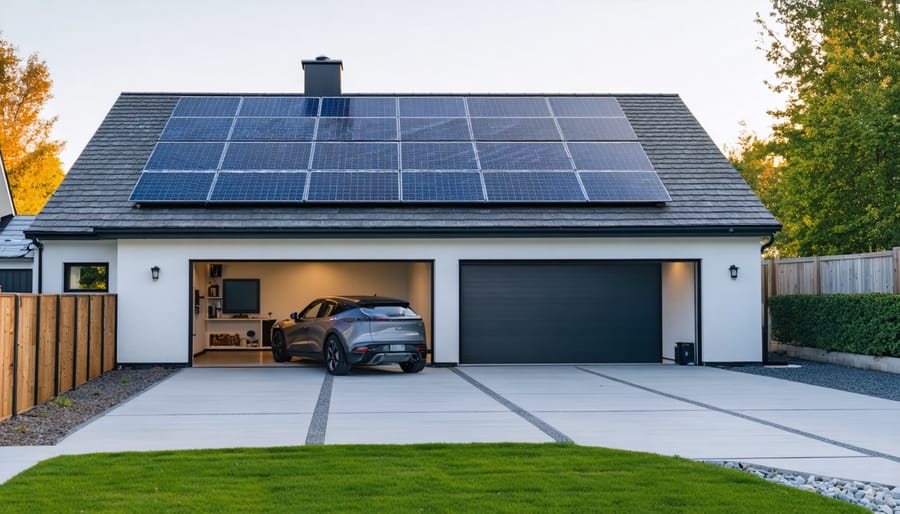
Why a 9kW Solar System with Batteries Could Be Overkill (Or Perfect) for Your Home
Calculate your actual energy consumption before committing to a 9kW solar system with batteries. Pull your last 12 months of electricity bills, add up the total kilowatt-hours used, and divide by 365 to get your daily average. Most households consuming 25-35 kWh daily find a 9kW system hits the sweet spot between coverage and cost,…
-
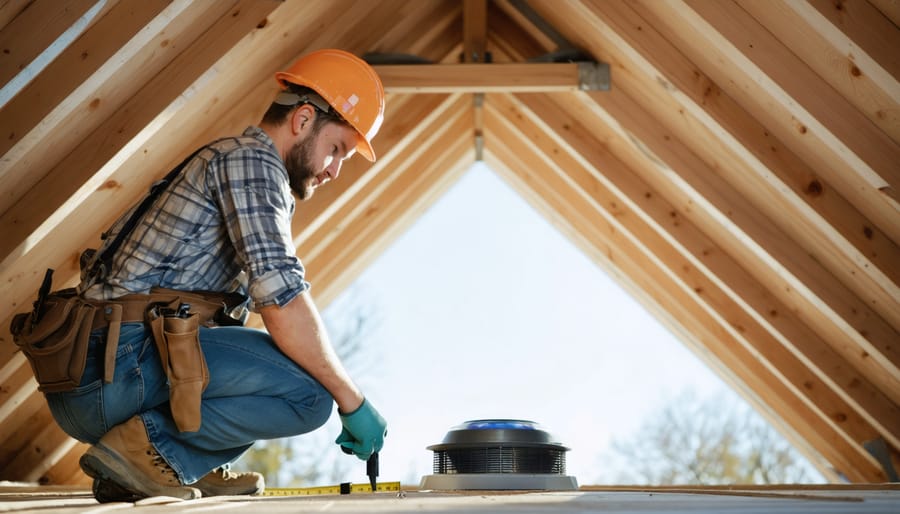
Why Your Attic Needs Exactly This Much Ventilation (And How to Calculate It)
Calculate your attic’s square footage by multiplying length times width, then divide by 150 to determine the minimum net free ventilation area (NFVA) required in square inches. For example, a 30-foot by 40-foot attic (1,200 square feet) needs at least 8 square inches of ventilation. Split this requirement evenly between intake vents near the eaves…
-

Why Your DIY Solar Microgrid Will Fail Without the Right Battery System
Understand that a microgrid energy storage system is your battery bank plus the smart components that decide when to store solar power, when to use it, and when to pull from the grid or a backup generator. This integrated approach transforms disconnected parts into a cohesive power management solution that keeps your lights on when…
-

Why NiMH Batteries Keep Your Solar Lights Running (When Others Fail)
Choose rechargeable NiMH batteries rated between 600-1000mAh for most standard solar garden lights, matching the voltage of your original batteries—typically 1.2V AA or AAA sizes. These batteries outperform regular alkaline batteries because they handle the constant charge-discharge cycles that solar lights demand daily, lasting 2-3 years compared to just months with alkalines. Replace your solar…
-
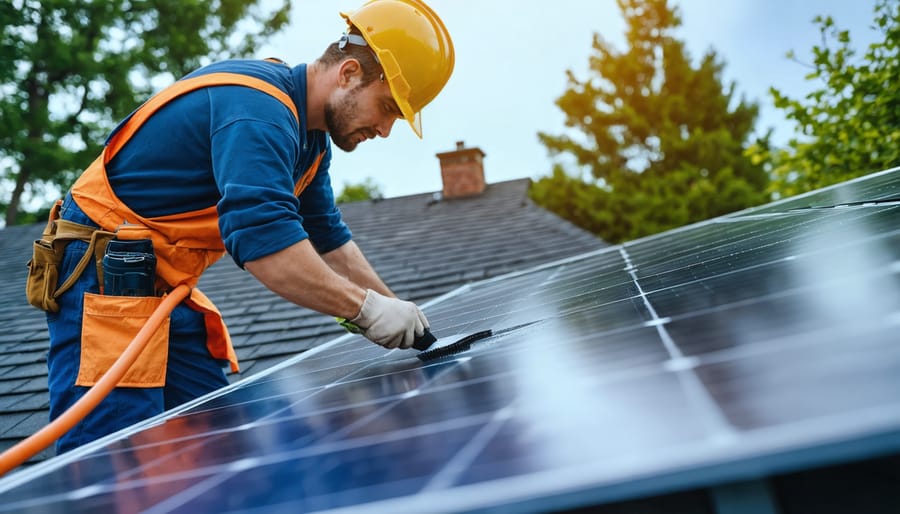
Solar Panel Maintenance Actually Costs Less Than You Think (Here’s the Breakdown)
Budget between $150 and $330 annually for basic solar panel maintenance—that’s typically what most homeowners spend keeping their systems running at peak efficiency. Compare this to the $0 you’ll pay in fuel costs, and you’ll quickly see why the benefits of solar energy far outweigh these minimal upkeep expenses. Inspect your panels every three months…
-
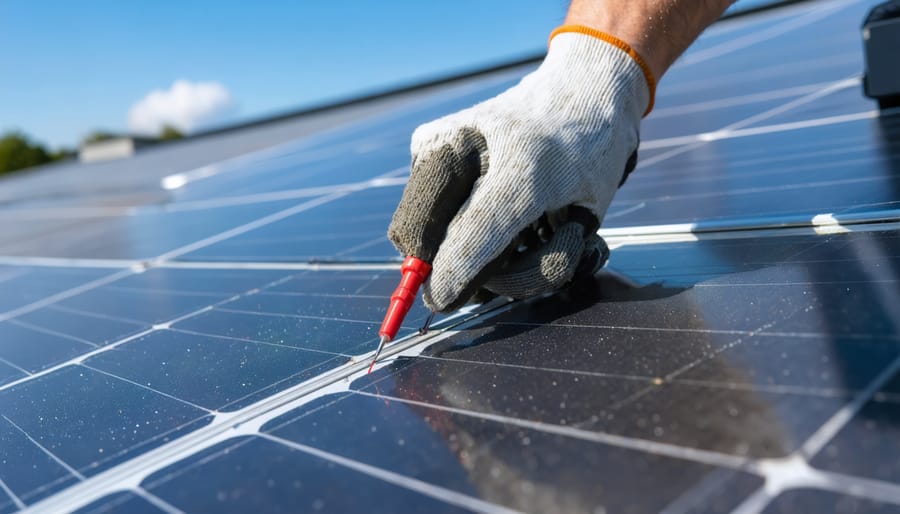
Why Your Solar Panels Are Losing Power (And How to Catch It Early)
Check your solar panel output on a clear day at solar noon and record the voltage reading—this becomes your clean panel baseline. Within two weeks, you’ll likely notice a 2-5% drop in performance even if your panels look relatively clean to the naked eye. That invisible loss is costing you real money and efficiency. Soiling…
-
Why Your Motorhome Electrical System Keeps Failing (And How to Fix It for Good)
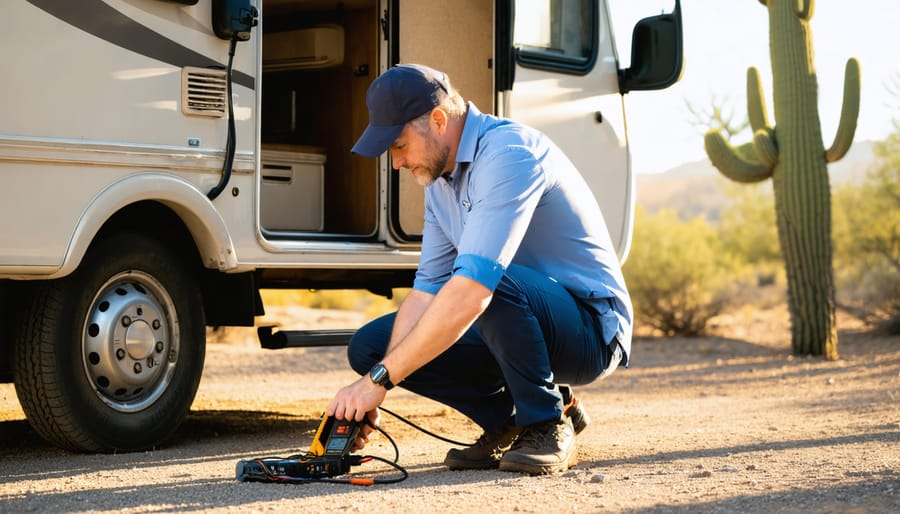
Picture this: You’re three days into a dream cross-country trip when your lights flicker, the refrigerator stops cooling, and you’re left wondering whether to call for expensive roadside assistance or figure it out yourself. I’ve been there, and here’s what I wish someone had told me before my first electrical meltdown in a Arizona rest…
-
Why Your RV Appliances Keep Tripping the Breaker (And How to Wire Them Right)
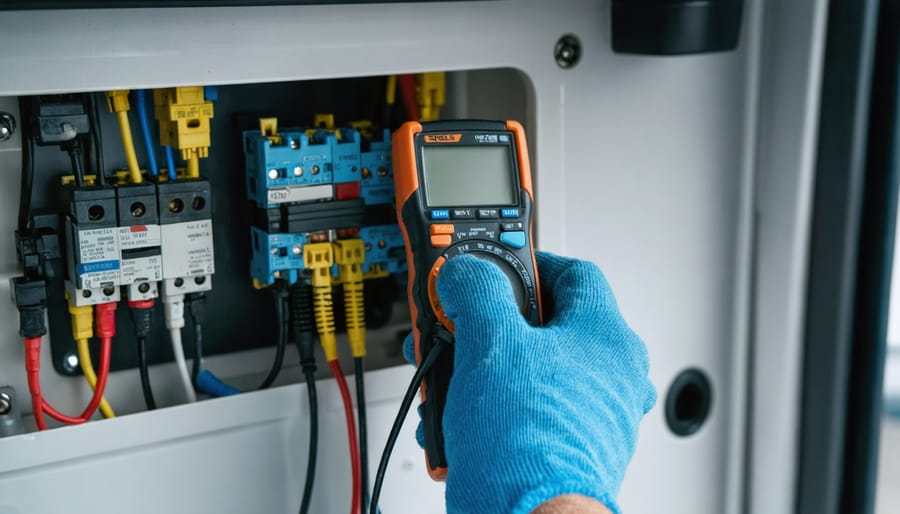
Turn off shore power and disconnect your battery bank before touching any wire in your RV—this single step prevents the most common DIY electrical accidents. Check your circuit breaker panel ratings against your actual appliance loads, because that microwave drawing 1500 watts on a 15-amp circuit is exactly why you’re tripping breakers every morning. Strip…
-
Heat Your Pool for Pennies Using Simple Black Hose
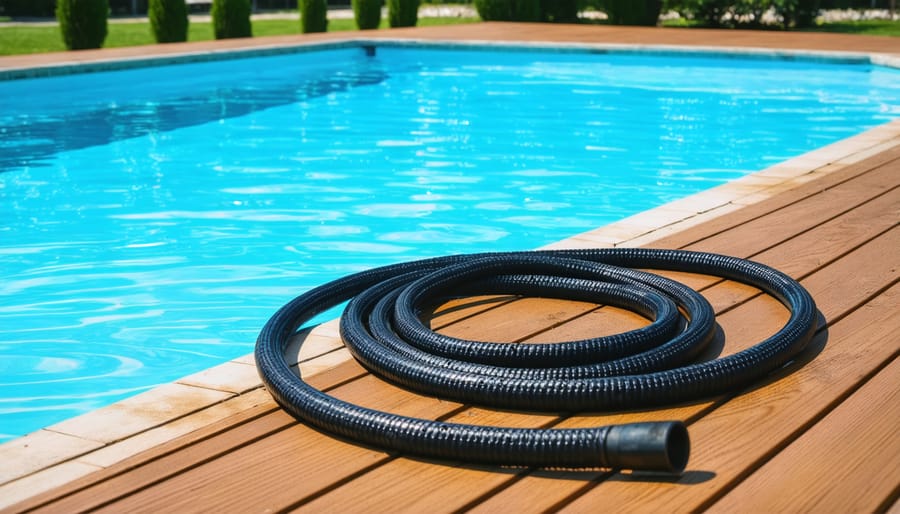
Coil 100-200 feet of black garden hose across a sunny spot near your pool, connect it to your pump system, and watch the sun transform cold water into a comfortable swimming temperature—sometimes adding 5-10 degrees in just a few hours. This simple hack works because black material absorbs solar radiation incredibly efficiently, and the longer…
-
Your iPhone Doesn’t Need a Wall Outlet Anymore
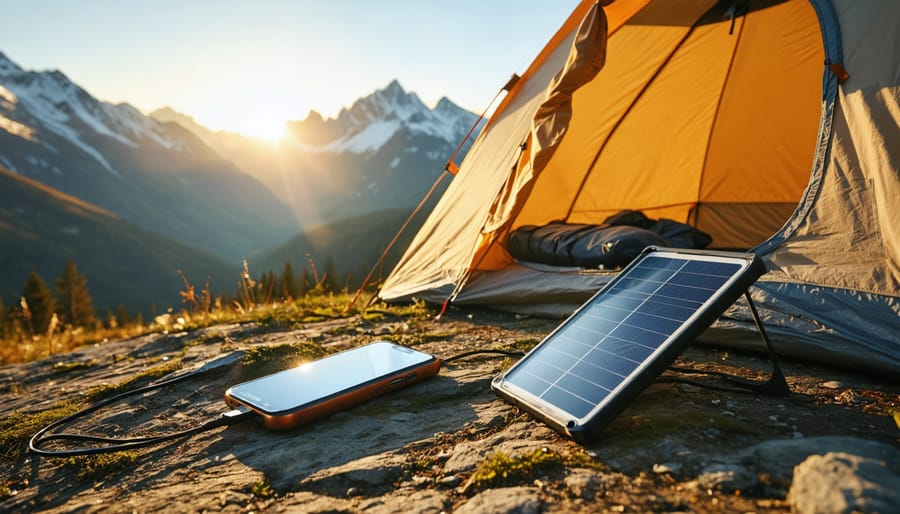
Charge your iPhone anywhere the sun shines by pairing a solar panel rated at minimum 10 watts with a portable battery bank that has USB output. I learned this the hard way during a week-long camping trip in Colorado when my flimsy 5-watt panel couldn’t keep up with my phone’s drain, leaving me without navigation…
-
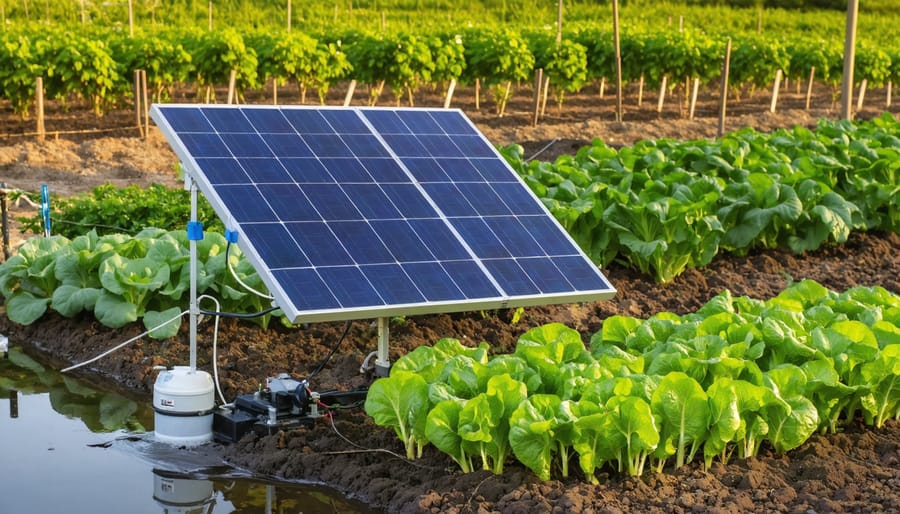
Solar-Powered Irrigation Changed How I Water My Garden (And It Can Change Yours Too)
Last summer, I watched my neighbor haul gasoline cans across his property every few days just to keep his garden watered. Meanwhile, my own irrigation system was running silently on pure sunshine, costing me nothing after the initial setup. That’s the beauty of solar-powered irrigation—it transforms water management from a daily chore into a set-it-and-forget-it…
-

How I Built a Zero Energy Home Without Breaking the Bank
**Imagine slashing your electricity bill to zero—permanently.** A zero energy home produces as much renewable energy as it consumes over the course of a year, transforming your house from an energy drain into a self-sustaining powerhouse. It’s not science fiction or reserved for millionaires; thousands of homeowners are already living this reality, and solar energy…
-

How Solar-Powered Greenhouses Slash Your Growing Costs (While Saving the Planet)
Picture this: It’s mid-July, your tomatoes are thriving, but your electricity bill just jumped $80 because your greenhouse exhaust fans have been running nonstop. I’ve been there. Three summers ago, I watched my monthly power costs climb while knowing the sun beating down on my 12×16 greenhouse could be doing that work for free. Climate-smart…
-
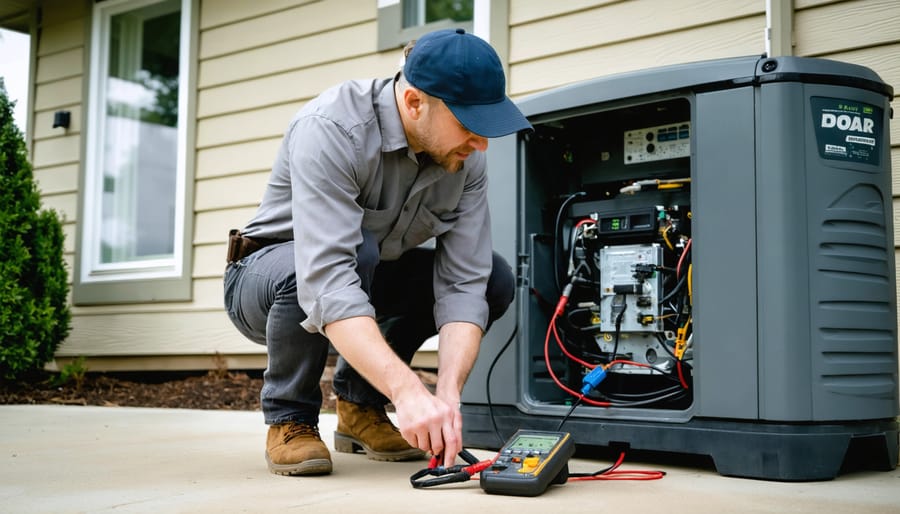
Your Kohler Generator Won’t Start? Here’s How I Fixed Mine (And You Can Too)
**Check your fuel level and oil pressure first**—90% of Kohler generator failures trace back to these two simple issues. I learned this the hard way during a three-day power outage when my generator shut down unexpectedly, leaving my solar battery backup system without its safety net. **Listen to your generator’s behavior**. A sputtering start usually…
-

Mason Jar Solar Lights That Actually Work (And Cost Almost Nothing)
Transform ordinary mason jars into enchanting garden lights by securing solar lids to clean, dry containers—no wiring, no electricity bills, just pure sun-powered ambiance. Position them along walkways where they’ll capture at least 6 hours of direct sunlight daily, then watch them automatically illuminate your evenings with a warm, welcoming glow. I’ll never forget the…
-
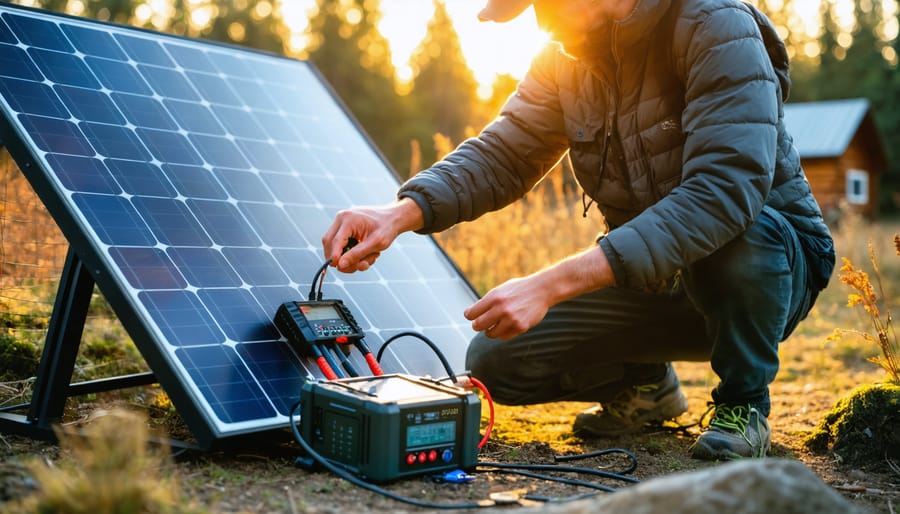
Stop Guessing Energy Numbers: Your Practical Joule Conversion Reference
**Understanding Energy in Real Numbers: Your Joule Conversion Guide** Converting joules into watts, kilowatt-hours, or calories transforms abstract energy measurements into practical numbers you can actually use for your solar projects and off-grid calculations. Whether you’re sizing a battery bank, calculating how long your portable solar panel will run a laptop, or determining if your…
-
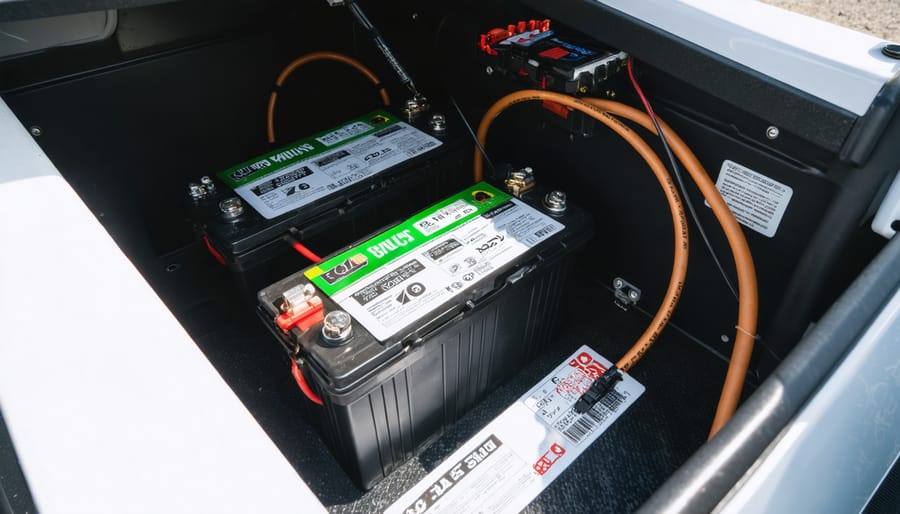
Why 6-Volt RV Batteries Beat 12-Volt for Your Solar Setup
Choose 6-volt golf cart batteries when building your RV solar system if you prioritize longevity and consistent deep-cycle performance over initial simplicity. Wire two 6-volt batteries in series to create 12 volts with roughly double the amp-hour capacity of comparable single 12-volt batteries, giving you more usable power before reaching the critical 50% discharge threshold…
-
Your Solar Light Won’t Turn On? Here’s Why (And How to Fix It Tonight)
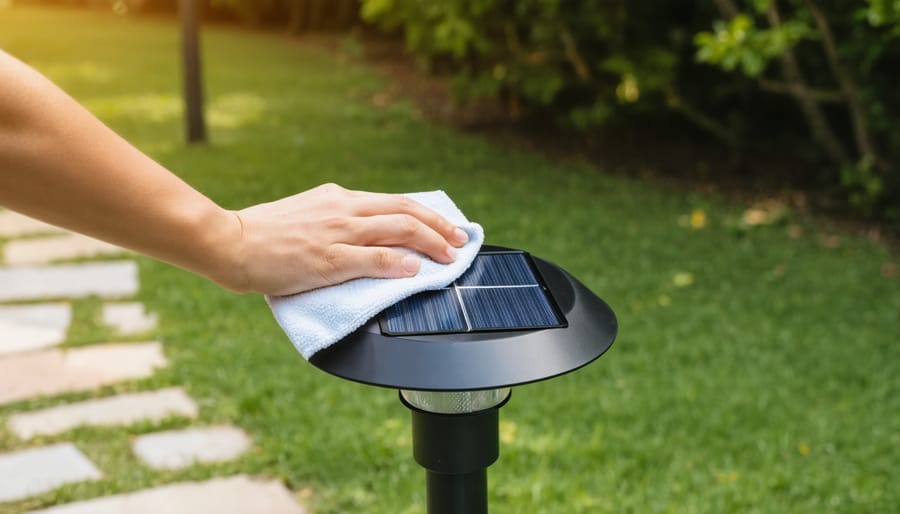
Check your solar panel first—nine times out of ten, dirt, leaves, or shade are blocking the sunlight your fixture needs to charge. I learned this the hard way when my entire pathway lighting system “died” last fall, only to discover a thin film of pollen had cut charging efficiency by 70%. Wipe the panel clean…
-
Grid-Tied Solar: Why Most DIYers Choose It (And When You Shouldn’t)
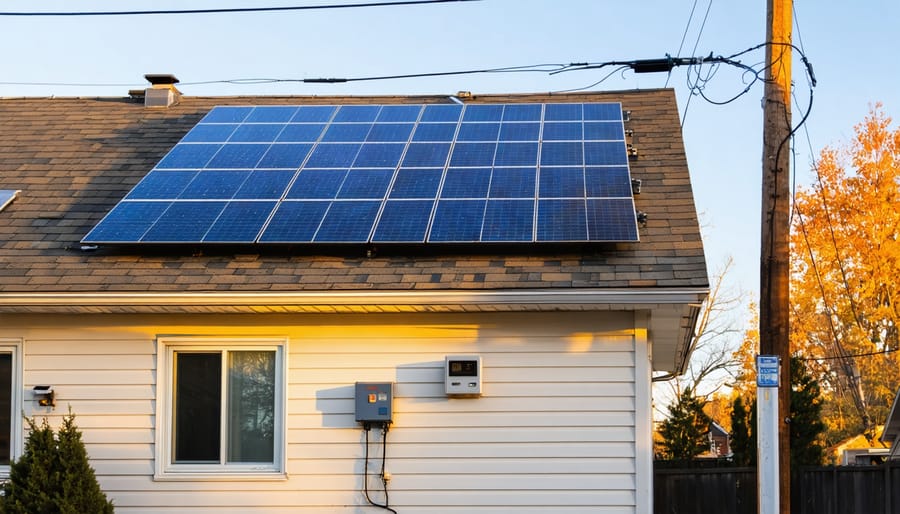
Imagine flipping a switch and watching your electric meter spin backward while your solar panels pump clean energy into the grid—earning you credits that slash your utility bill to nearly zero. That’s the everyday reality of grid-tied solar, the most popular solar setup in America, powering millions of homes and businesses without the complexity or…
-
Which Solar Battery Actually Lives Up to the Hype?
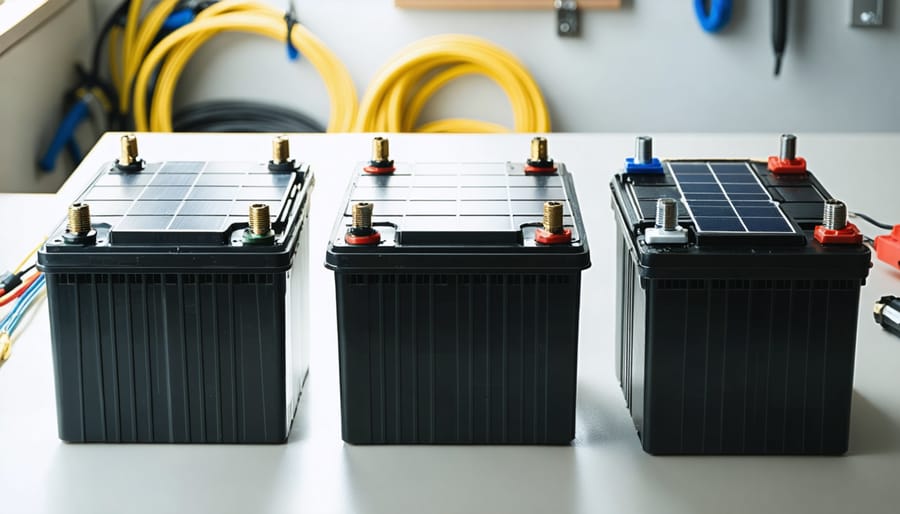
Compare capacity ratings in amp-hours (Ah) and watt-hours (Wh) first—these numbers tell you exactly how much energy each battery stores and how long it’ll power your devices. Check the depth of discharge (DoD) percentage next, because a battery with 90% DoD gives you far more usable energy than one limited to 50%. Look beyond the…
-
Why Your Flagpole Deserves Solar Light (And How to Make It Happen)
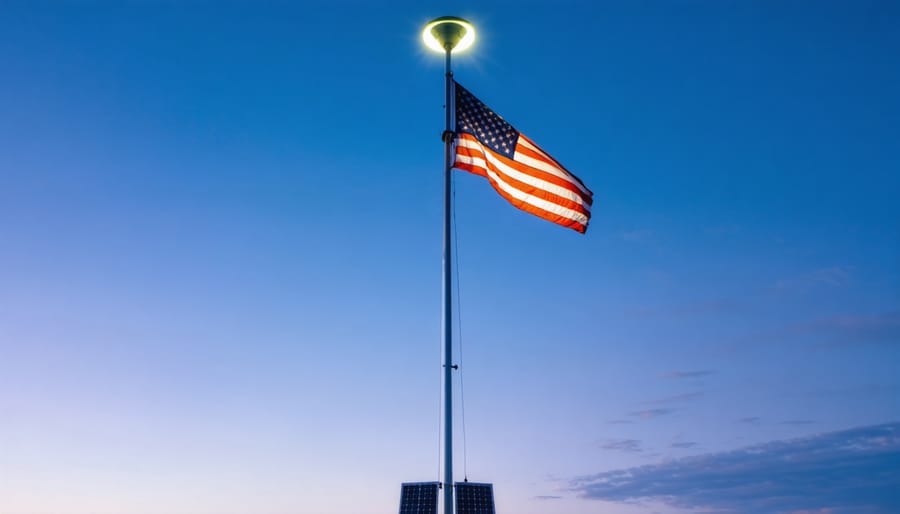
Choose a solar light specifically designed for flagpole tops—not generic garden lights—with at least 20 lumens output and a downward-facing beam angle that creates the proper illumination pattern required by U.S. Flag Code. Mount the solar panel where it receives 6-8 hours of direct sunlight daily, even if that means positioning it separately from the…
-
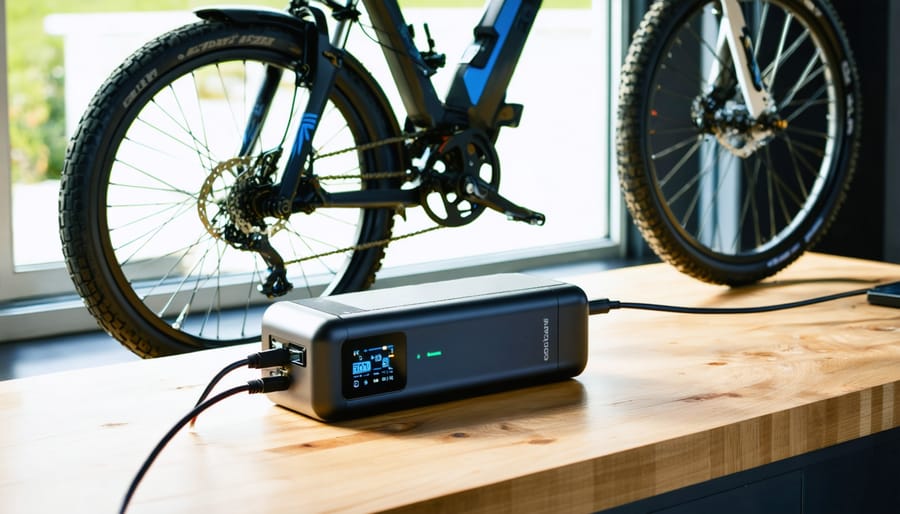
Stop Killing Your E-Bike Battery: Charging Mistakes That Cost You Hundreds
Charge your e-bike battery to only 80% for daily rides—this single habit can double its usable lifespan compared to always topping off to 100%. Store the battery at room temperature between 32°F and 77°F, removing it from the bike during extreme weather since heat above 90°F accelerates degradation faster than any other factor. Avoid letting…
-
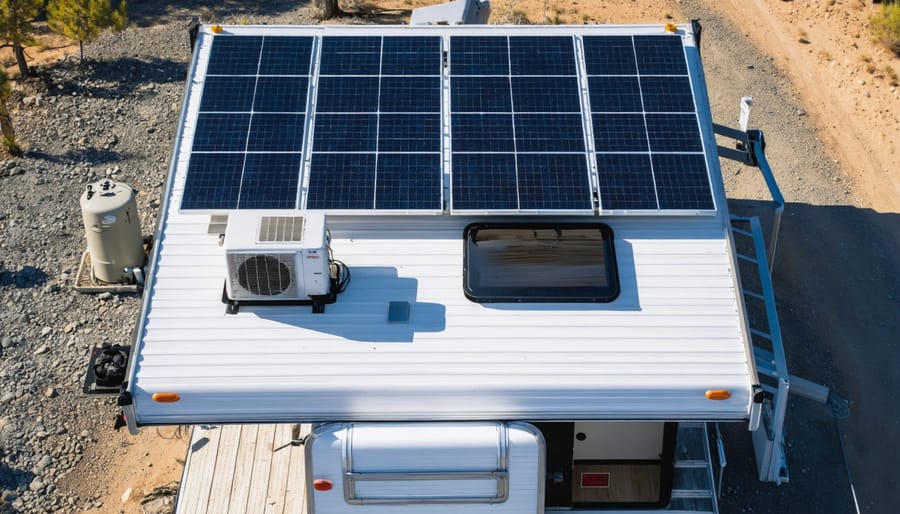
Running Your RV Air Conditioner on Solar: Why Most Inverters Fail (And Which Ones Actually Work)
**Calculate your air conditioner’s starting watts before buying any inverter**—most RV AC units need 2,800-3,500 watts to start but only 1,200-2,000 watts to run. This surge requirement catches most first-time solar RV owners off guard, leading to undersized systems that can’t handle the initial power draw. **Match your inverter capacity to exceed your AC’s surge…
-
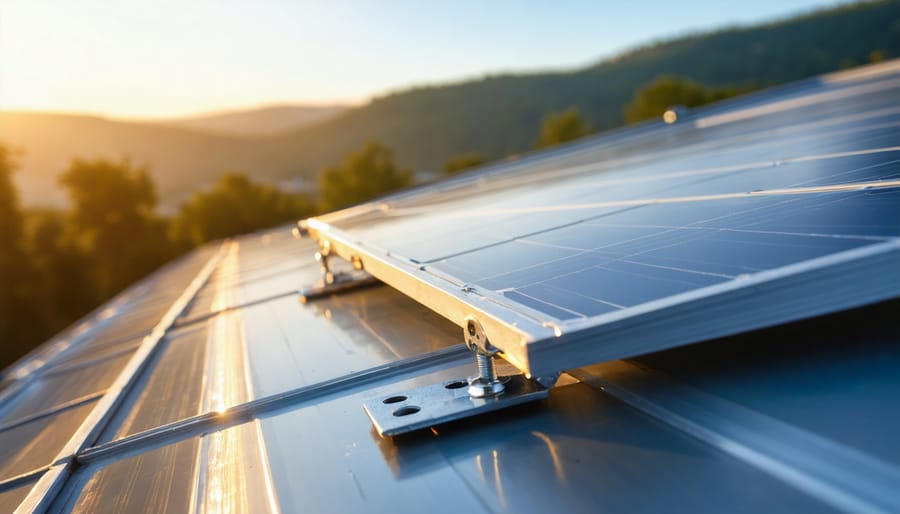
Why Z Brackets Are Your Secret Weapon for Small Solar Panel Setups
**Mount your solar panels with confidence using Z brackets—the simplest, most versatile hardware solution for small-scale solar projects.** These L-shaped metal brackets bolt directly to your panel’s frame on one side and your mounting surface on the other, creating a low-profile, secure connection that works equally well on RV roofs, shed walls, or portable camping…
-
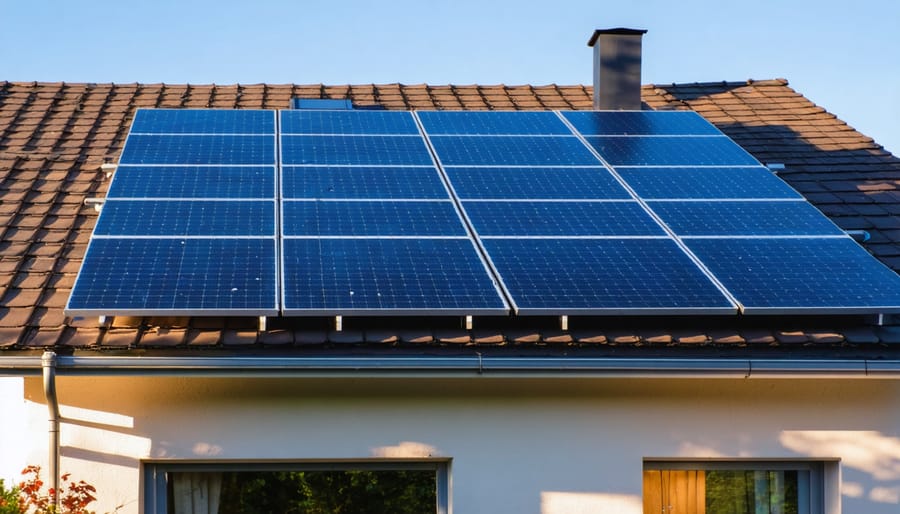
How Sunlight Becomes Electricity in Your Home (The Complete Journey)
Understand the photovoltaic effect—when sunlight hits solar panels, photons knock electrons loose from silicon atoms, creating an electrical current through a principle Einstein won a Nobel Prize for discovering. Your solar panels generate direct current (DC) electricity, which then flows to an inverter that converts it into alternating current (AC) power compatible with your home…
-
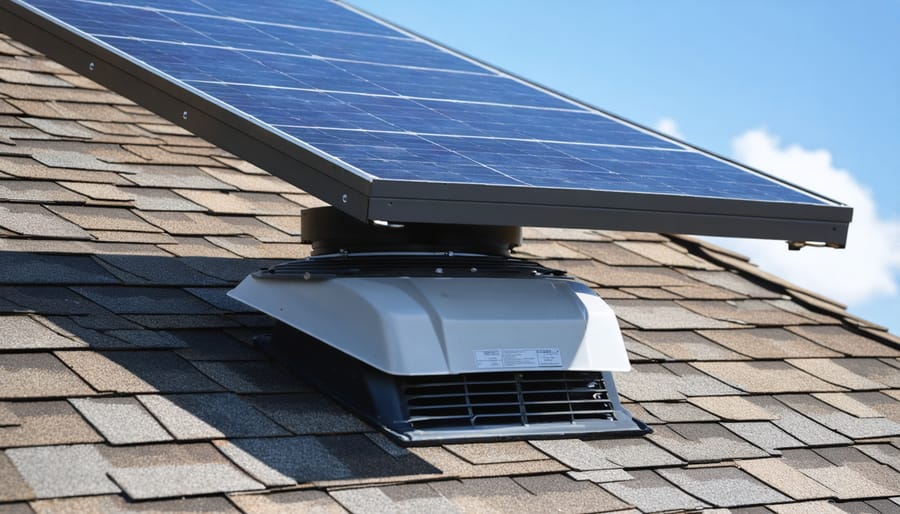
Solar Ventilation Just Saved My Attic (And Cut My Cooling Bills in Half)
**Assess your home’s air quality by standing in your living space right now—if you notice stale odors, condensation on windows, or that stuffy feeling when you walk in the door, your home is telling you it needs better ventilation.** Most homes built in the last 30 years are sealed tight for energy efficiency, which traps…
-
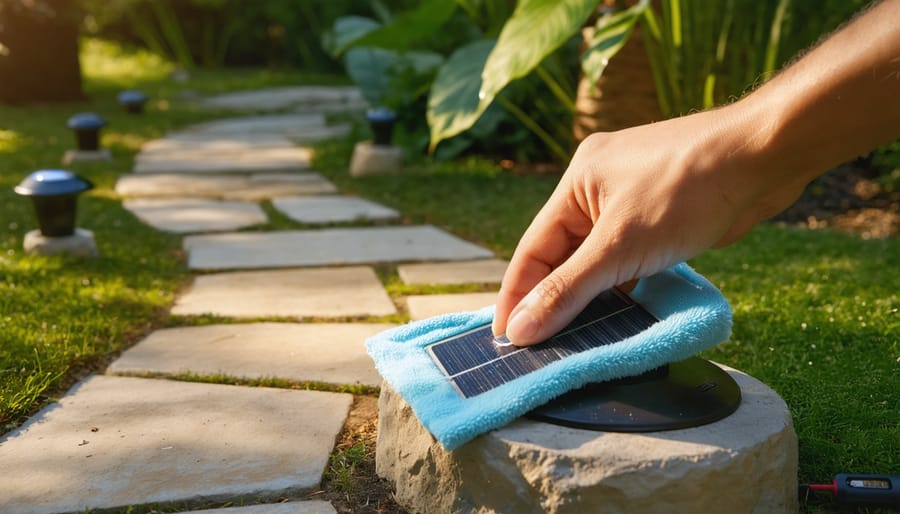
Your Hampton Bay Solar Light Stopped Working? Here’s Why (And How to Fix It Tonight)
**Check the solar panel surface first** – dirt, leaves, or a thin film of grime blocks sunlight absorption and prevents charging. I learned this the hard way when my own Hampton Bay pathway lights died after just two weeks; a simple wipe with a damp cloth brought them back to life instantly. **Verify the battery…
-
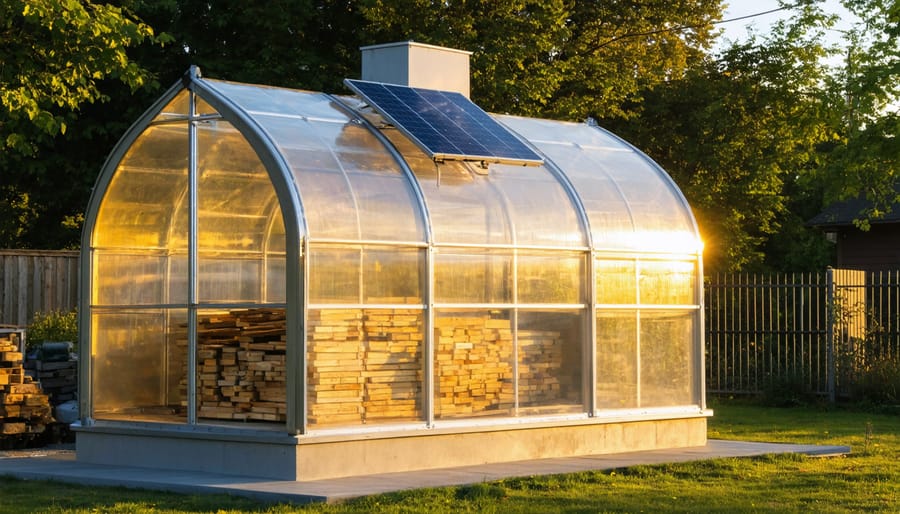
Build a Solar Kiln That Actually Works (Without Breaking the Bank)
Build a solar kiln in your backyard and you’ll cut lumber drying time from months to weeks while spending zero on electricity. Position your kiln where it receives 6-8 hours of direct southern exposure daily, construct the framework using pressure-treated 2x4s with transparent polycarbonate panels for maximum heat capture, and install basic circulation fans powered…
-
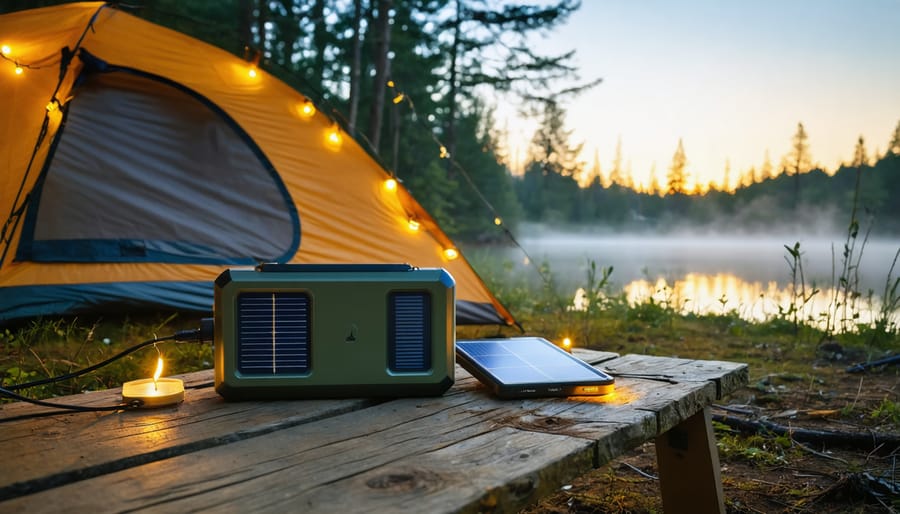
Your Camping Trip Needs Silent Power (Here’s How to Get It)
Choose a portable power station with an inverter rating below 50 decibels—quieter than normal conversation—so you can run your essential camping gear without the rattling drone that ruins peaceful mornings at the campsite. Unlike gas generators that shatter the tranquility you came outdoors to find, modern lithium battery power stations operate in near silence, giving…
-
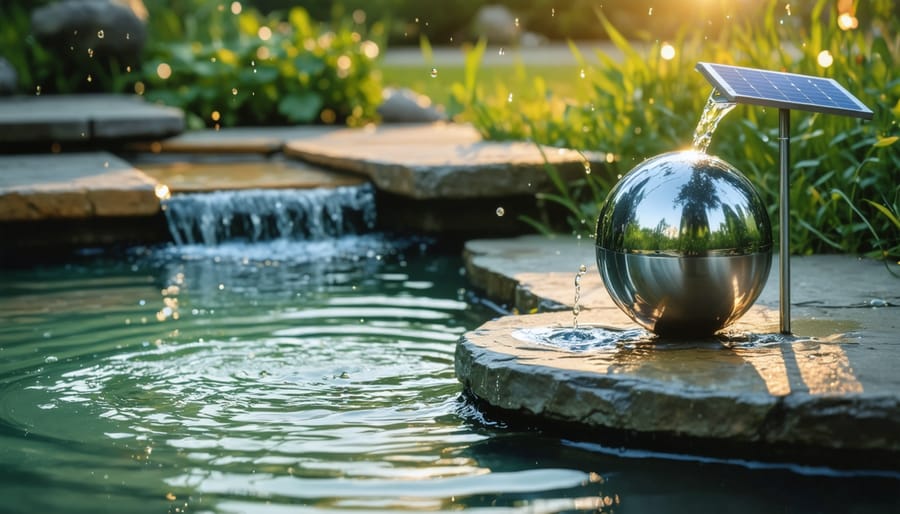
This Floating Solar Sphere Transformed My Garden Pond (Here’s How to Build One)
# Transform Your Garden with a Solar Powered Water Feature Sphere Picture this: a perfectly balanced sphere of water, cascading gently over smooth stone, powered entirely by the sun—no electrical outlets, no tangled extension cords, just pure renewable energy creating a mesmerizing focal point in your outdoor space. **Build your own solar powered water feature…


