
Solar Inverters
-
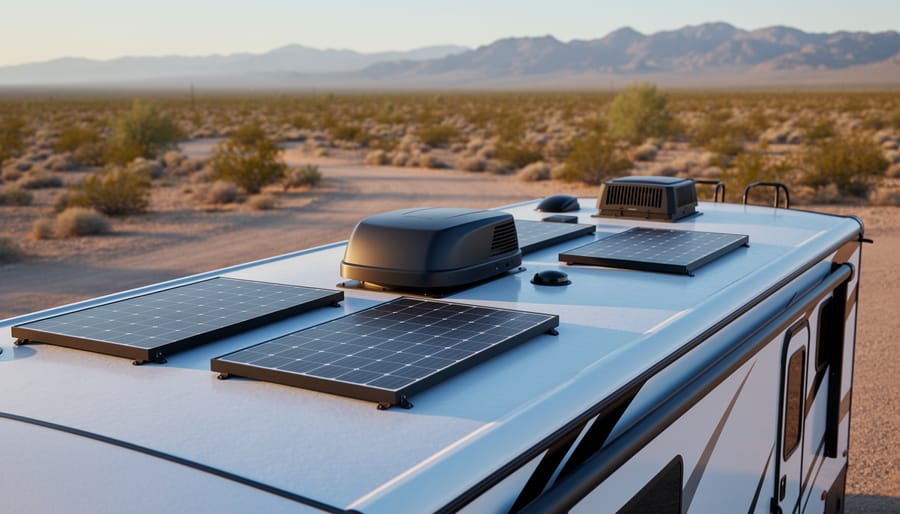
The Highest Watt Solar Panel Won’t Save Your RV Setup (Here’s What Actually Matters)
Stop obsessing over wattage alone—it’s the biggest mistake I see RV solar shoppers make. Yes, the highest wattage panels available for RVs currently max out around 400-550 watts, but cramming the most powerful panel onto your roof doesn’t guarantee you’ll have enough power to run your air conditioner or keep your fridge cold through the…
-
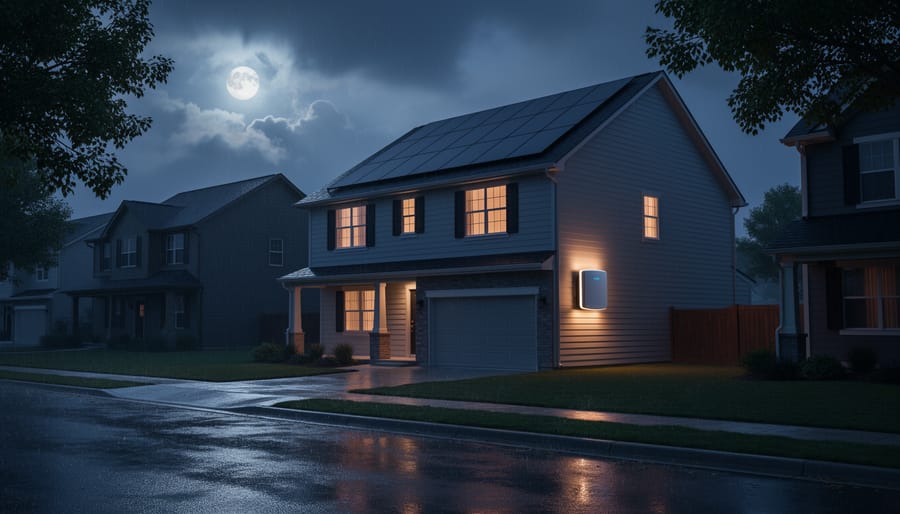
Why Your Home Solar System Fails During Power Outages (And How Battery Backup Fixes It)
Picture this: It’s 2 AM, a storm knocks out power in your neighborhood, and while your neighbors scramble for flashlights, your home stays lit, your refrigerator keeps running, and your family sleeps soundly. That’s the peace of mind a solar battery backup system delivers, and honestly, it’s one of the best investments I’ve made in…
-
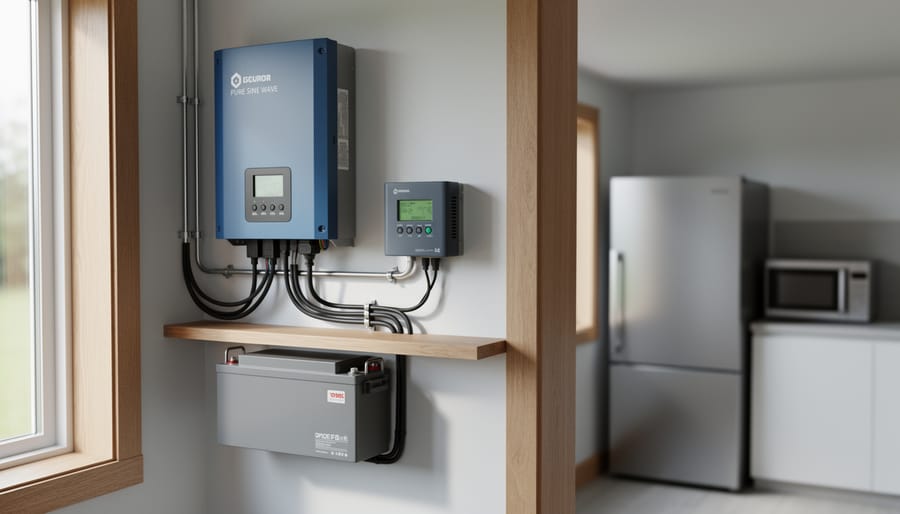
Size Your Off-Grid Solar Inverter Right the First Time (Before You Waste Money)
Calculate your total daily energy consumption by listing every device you’ll power, multiplying each device’s wattage by hours of daily use, then adding 20% for system losses. This single number becomes your foundation—underestimate it, and you’ll face frustrating power shortages; overestimate significantly, and you’ll waste thousands on oversized equipment. Identify your highest power draw moment…
-
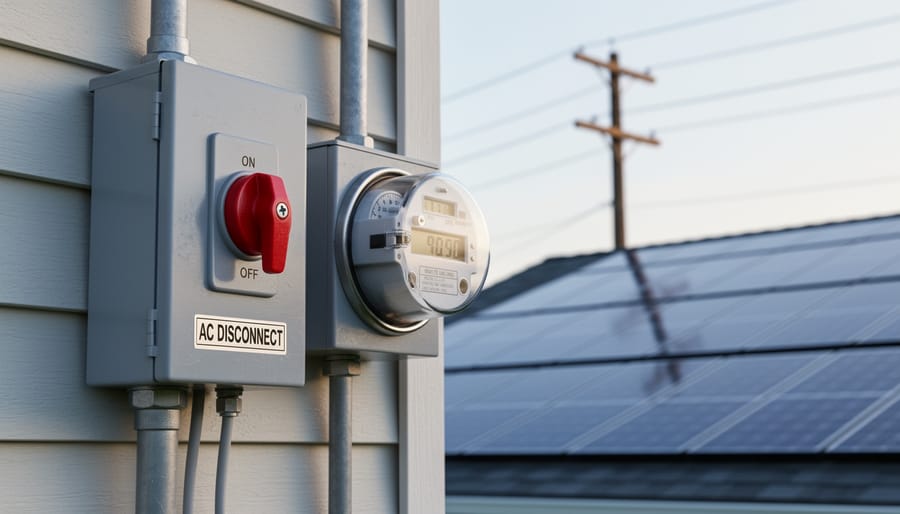
This Device Lets Your Solar System Talk to the Grid (Without Getting Disconnected)
Verify your utility’s specific anti-islanding requirements before purchasing any equipment—most power companies mandate IEEE 1547-compliant devices that automatically disconnect your solar system when the grid goes down, protecting line workers from unexpected backfeed. Contact your local utility interconnection department directly and request their technical specifications document, which lists approved devices and installation standards you’ll need…
-
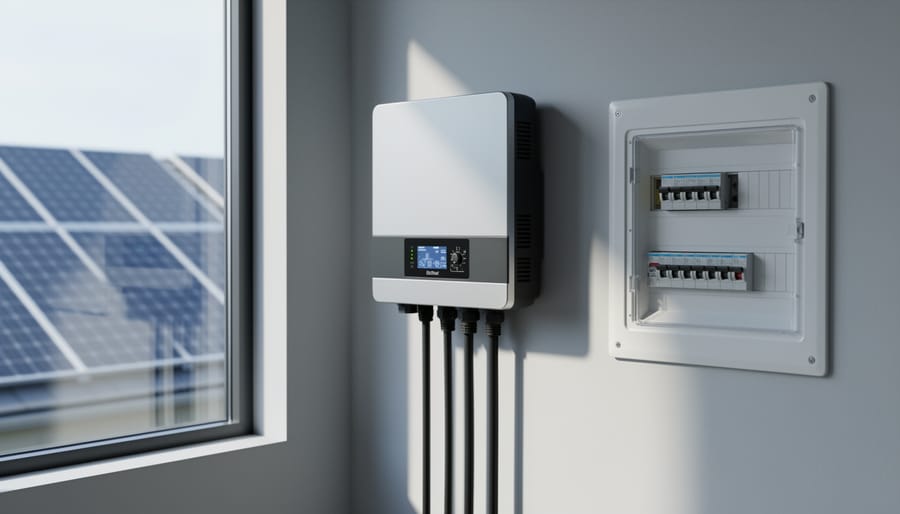
Why 3-Phase Solar Inverters Are Game-Changers for Home Energy (Even If You’re Just Starting Out)
Check your main electrical panel right now—if you see three thick power cables entering your home instead of two, you already have 3-phase power and might benefit from a 3-phase solar inverter. Most residential homes run on single-phase power, making 3-phase systems unnecessary for typical DIY solar setups, so understanding this distinction will save you…
-

Why Your RV Inverter Keeps Failing (And How to Fix It Fast)
Check your battery connections first—loose or corroded terminals account for nearly 60% of inverter issues I’ve seen in my years working with RV solar systems. Remove both positive and negative cables, clean them with a wire brush and baking soda solution, then reconnect tightly. While you’re at it, use a multimeter to verify your battery…
-
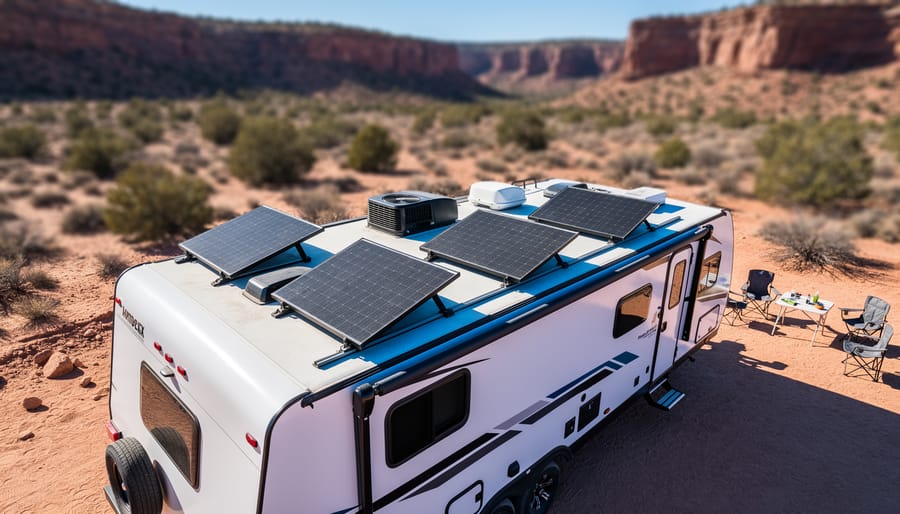
Why Most RV Solar Setups Fail (And How to Build Yours Right)
Calculate your daily power consumption by listing every device you’ll run in your RV—from the refrigerator drawing 40-60 amp-hours daily to your phone charger using just 5 amp-hours—then multiply by 1.3 to account for system losses and cloudy days. This single step prevents the most common mistake I see fellow RV solar enthusiasts make: underestimating…
-
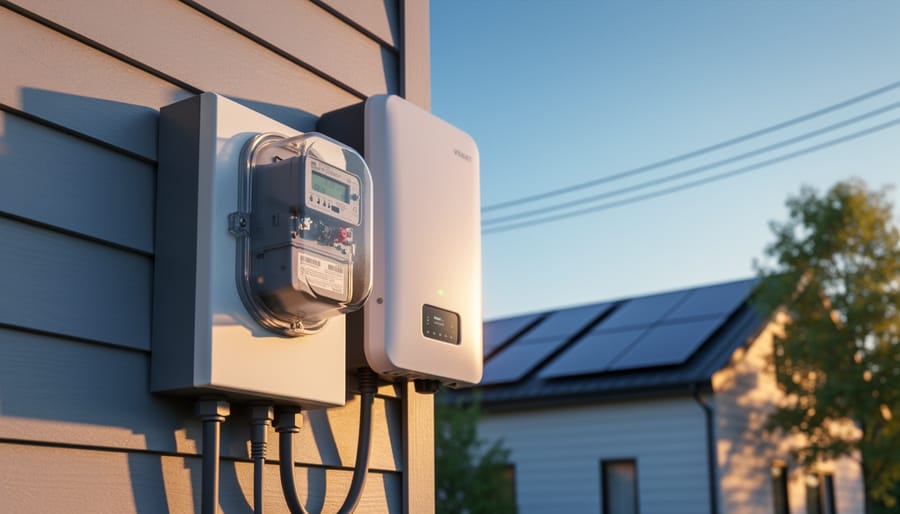
Why Grid-Tie Solar Inverters Are Your Gateway to Energy Independence (Without Breaking the Bank)
Grid-tie solar inverters transform your solar panels’ DC electricity into AC power that feeds directly into your home’s electrical system and the utility grid, eliminating the need for expensive battery banks while letting you earn credits for excess power you generate. When your panels produce more electricity than you’re using, the surplus flows back to…
-
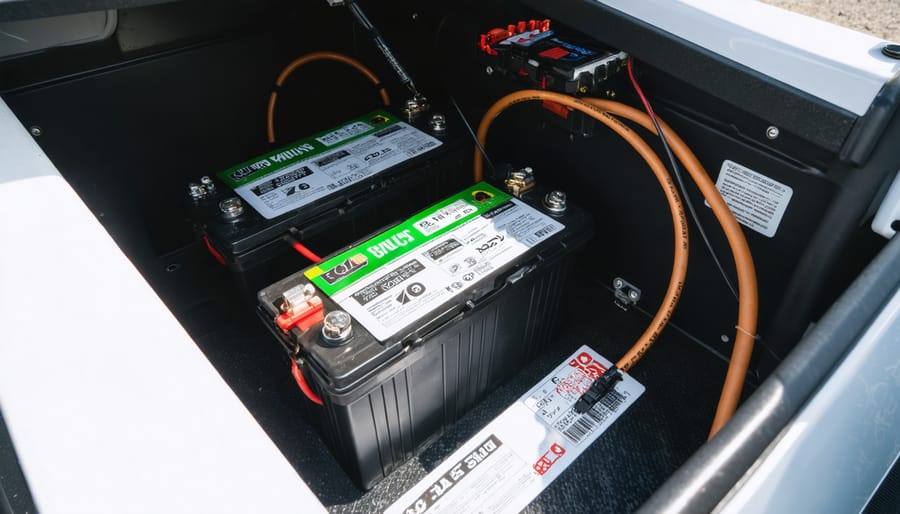
Why 6-Volt RV Batteries Beat 12-Volt for Your Solar Setup
Choose 6-volt golf cart batteries when building your RV solar system if you prioritize longevity and consistent deep-cycle performance over initial simplicity. Wire two 6-volt batteries in series to create 12 volts with roughly double the amp-hour capacity of comparable single 12-volt batteries, giving you more usable power before reaching the critical 50% discharge threshold…
-
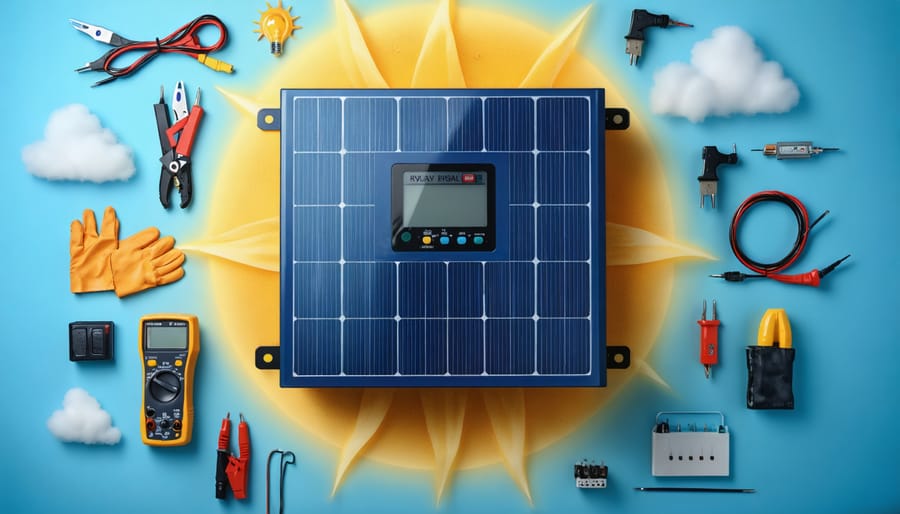
Fix Your Solar Inverter Problems Fast (DIY Troubleshooting That Works)
Monitor your solar inverter’s error codes and display indicators daily – these warning signs often reveal developing issues before complete system failure occurs. Test DC voltage inputs and AC outputs using a multimeter when your system’s performance drops, ensuring readings match manufacturer specifications. Check all cable connections, terminals, and grounding points for corrosion, loose fittings,…
-
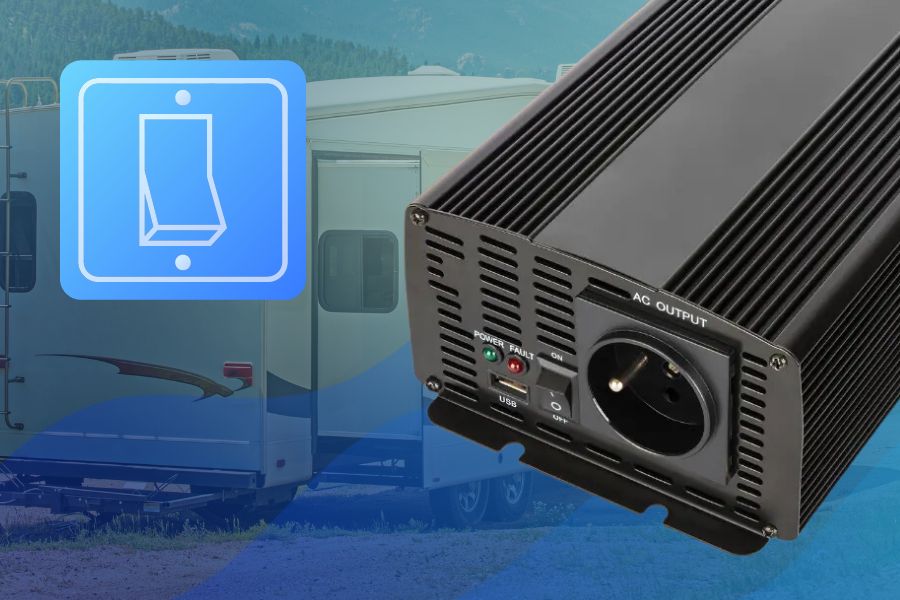
Should an RV Inverter Be Left on When Plugged In?
Generally, RV inverters should be turned off when not in use to avoid unnecessary battery drain. However, whether an RV inverter should be left on or off when plugged in depends on several factors, primarily the type of inverter and the manufacturer’s recommendations. In this comprehensive guide, we’ll look in-depth at how RV inverters work,…
-

Micro Inverter vs String Inverter: Which Is Better for Your Solar System?
In the ever-evolving landscape of solar energy, choosing between micro inverter vs string inverter has become a pivotal decision for residential and commercial solar installations. Microinverters and string inverters are different technologies for converting the DC power generated by solar panels into usable AC power for your home. But which one is better for your…
-
How to Check Inverter Is Charging Battery
You can check if your inverter is properly charging the battery using a few simple methods. Observing the inverter’s status lights, measuring battery voltage with a multimeter, and performing a load test are straightforward ways to confirm charging status. In this article, we will follow step-by-step instructions for checking whether your inverter is charging your…
-

How to Reset Inverter Overload
When your inverter is overloaded, it can lead to an unmistakable and often annoying beeping sound. It involves steps to reset inverter overload to ensure the device returns to normal operation and avoids potential damage. Depending on the inverter model, this can involve using a reset button or manually power cycling the device. This guide…
-

Why Is My Inverter Beeping
The beeping is a way for the inverter to alert you to a problem that needs attention, whether a pure sine wave or a modified sine wave inverter. It can be due to a low battery, an overload condition, a loose connection, or other issues. This guide will discuss the six most common triggers of…
-
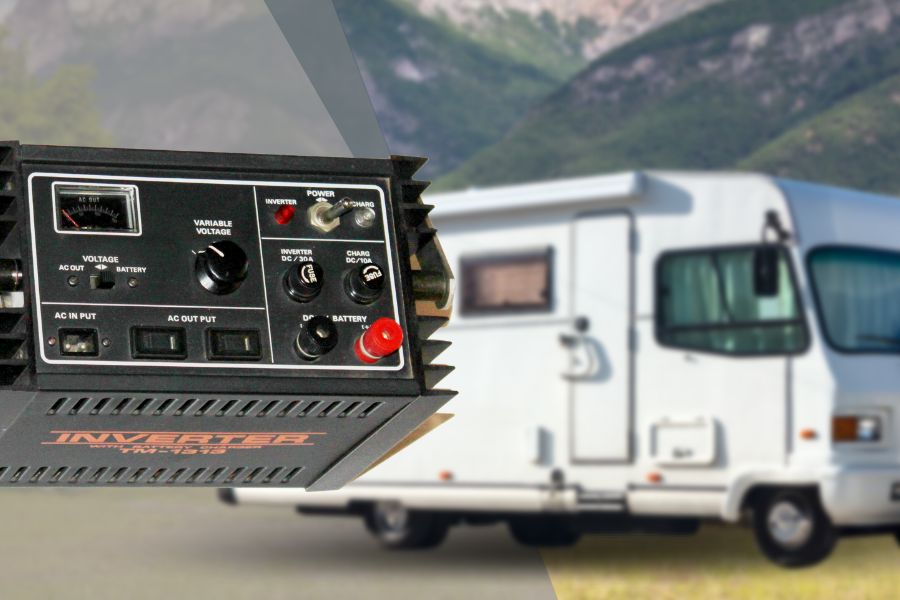
How to Ground an Inverter in an RV
You can ground an RV inverter using the appropriate gauge wire by securely attaching it to the RV chassis. This connection to the RV frame acts as a protective measure against stray currents, ensuring safety and optimal electrical performance. In this article, we will guide you through the details of this process, ensuring your inverter…
-
How to Wire Inverter To RV Breaker Box
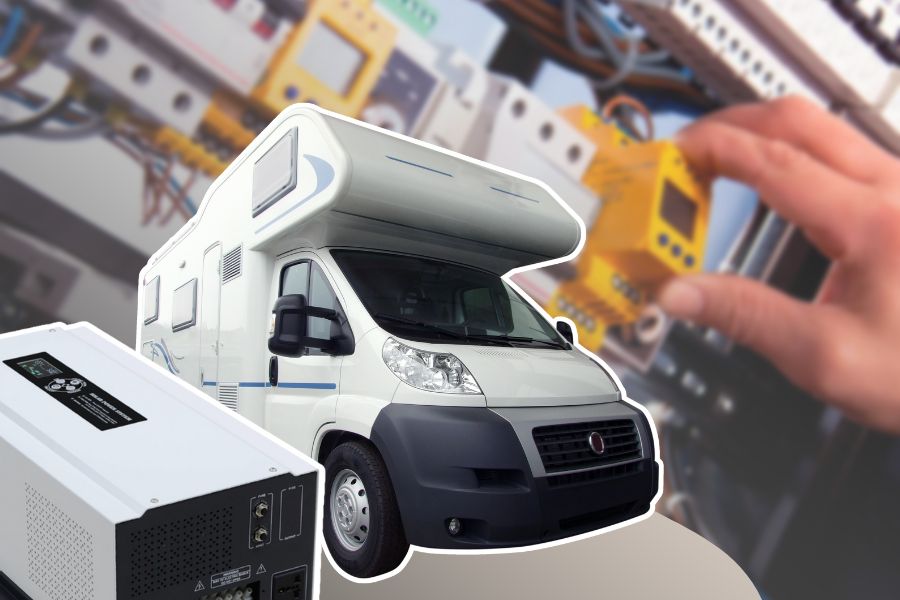
Knowing how to wire an inverter to an RV breaker box allows for efficient electrical power utilization when camping or traveling in an RV. Wiring a power inverter to your RV’s breaker box involves creating a connection between your battery bank, inverter, and RV’s breaker panel, often using changeover switches. These switches enable seamless transition…
-

10 Best Pure Sine Wave Inverters in 2023
The best pure sine wave inverters are the ones that can keep multiple sensitive electronics charged while protecting them from harm. Other important characteristics of the ideal pure sine inverter are solid warranties. If something goes wrong with the device, size, and weight, that won’t be too cumbersome for the intended use and comes with…
-

Pure Sine Wave Inverter vs. Modified Sine Wave Models
The main difference between pure sine wave inverter vs. modified sine models is that the pure sine wave inverter outputs closely resemble AC mains power and are suitable for all applications. A modified sine wave model is choppy, less stable, and only suitable for more robust devices. The power from any 120-volt AC mains outlet…
-
How to Install a Power Inverter in a Camper
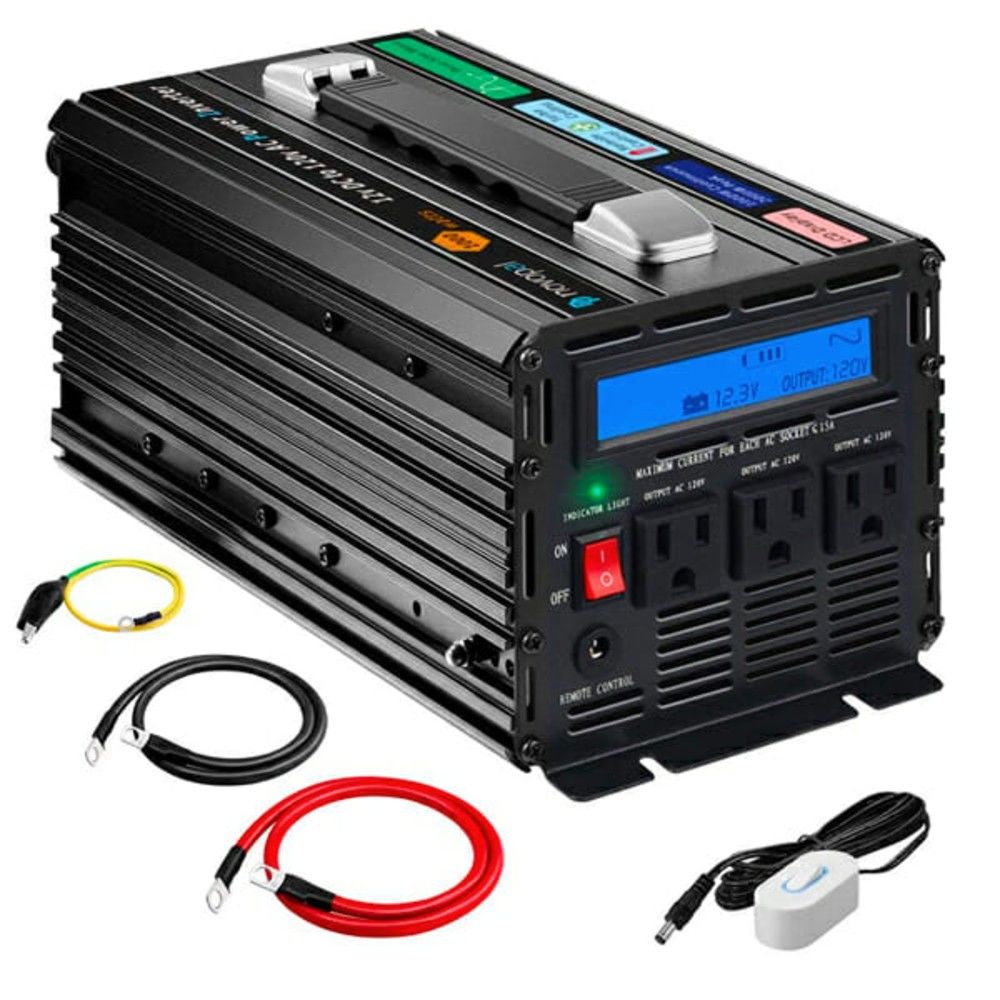
Being able to power a 110v coffee machine in the morning without starting a noisy generator is a great comfort. However, you’ll need an inverter to convert electricity from a 12-volt battery system to 110-volt to enjoy this amenity. Inverter installation is a simple DIY task, but you shouldn’t take anything involving electricity lightly. That’s…


