
Subscribe for handpicked DIY projects, exclusive tips, and giveaways.
We care about your data in our privacy policy.


 Garden
 Camping & RV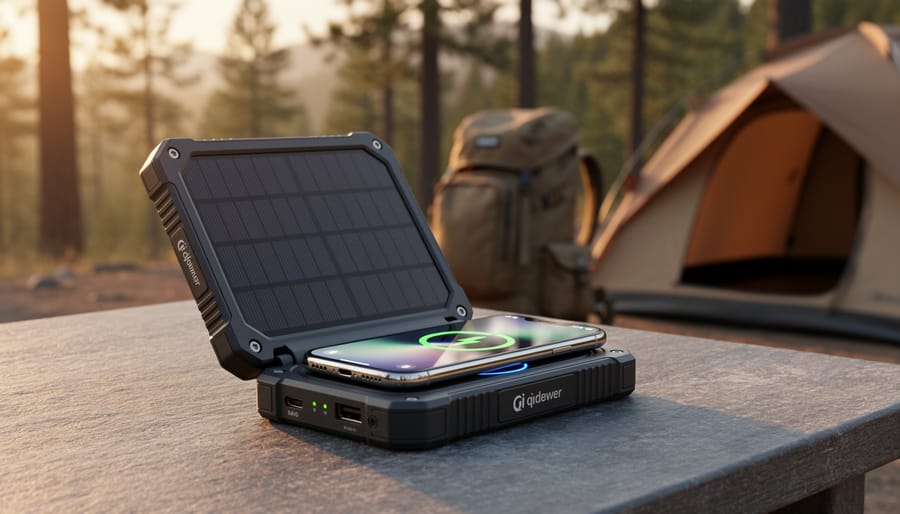

 Farming

 Reviews


 Lights
 Pool
Pool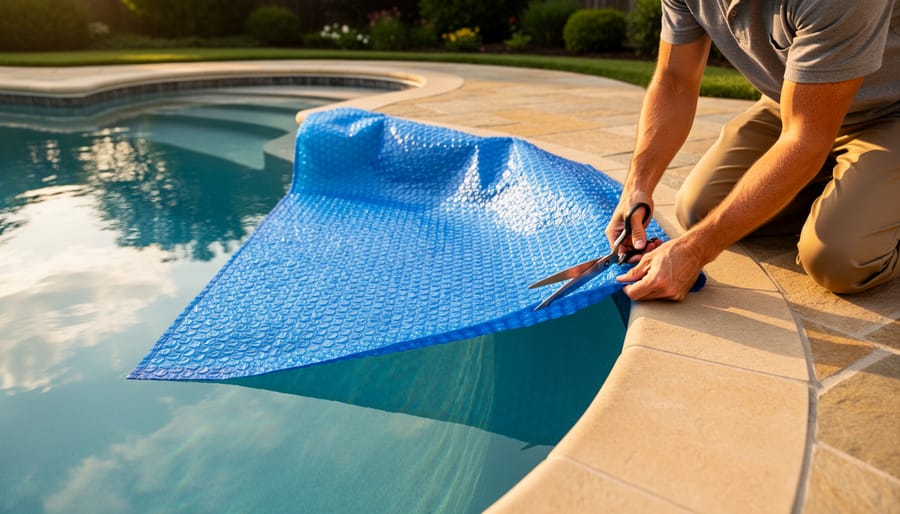

 Systems

 Attic
Attic
 Generators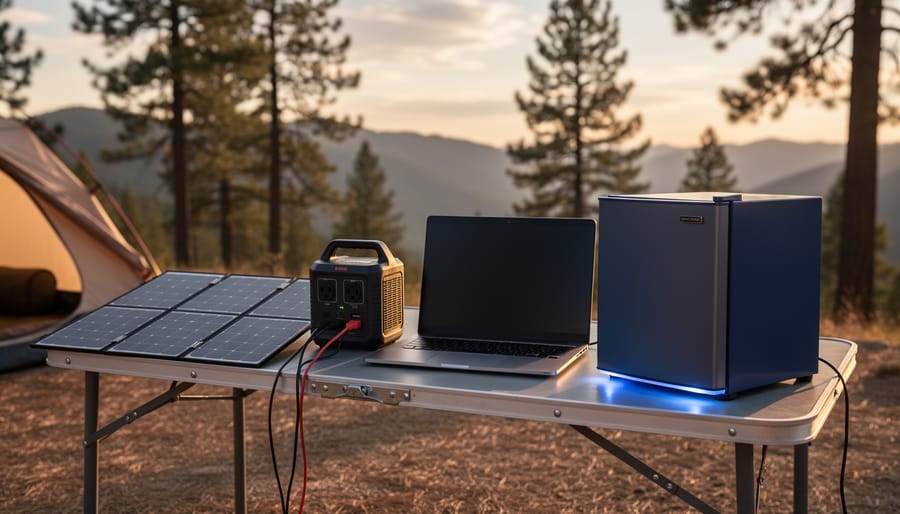


Recent Posts
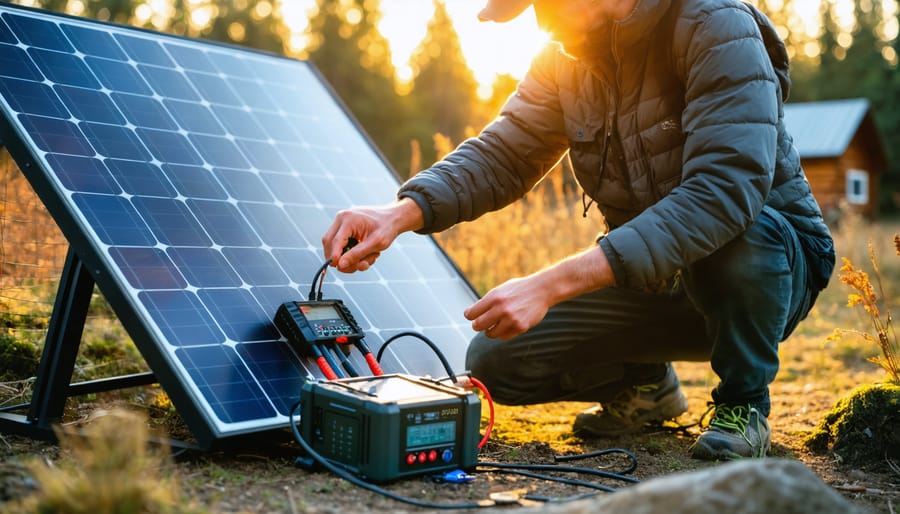
Calculate your daily watt-hour consumption by listing every device you plan to power, multiplying each item’s wattage by the hours you’ll run it, then adding everything together. A laptop drawing 65 watts for 4 hours needs 260 watt-hours, while a mini-fridge at 60 watts running 8 hours requires 480 watt-hours. This total becomes your baseline…
Expect your qi solar power bank to charge your phone wirelessly, but don’t count on the solar panel as your primary power source. I learned this the hard way during a three-day camping trip when I thought the built-in solar panel would keep my devices running indefinitely. The reality? Those small panels generate maybe 5-10%…
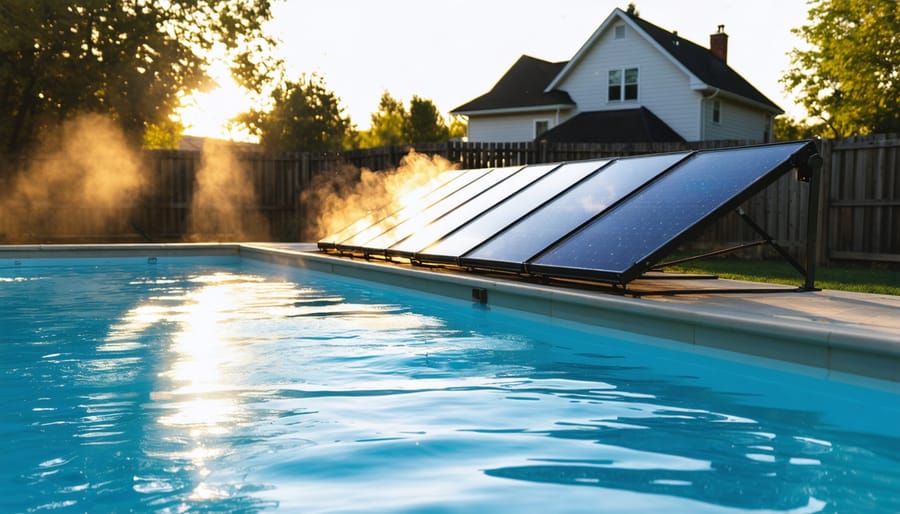
Measure your pool’s widest points and order a rectangular solar cover 2-3 feet larger than these dimensions—you’ll trim it to fit your kidney, L-shaped, or freeform pool for a fraction of custom cover costs. Most pool owners with irregular shapes successfully use standard rectangular covers by either overlapping multiple smaller covers or cutting a single…
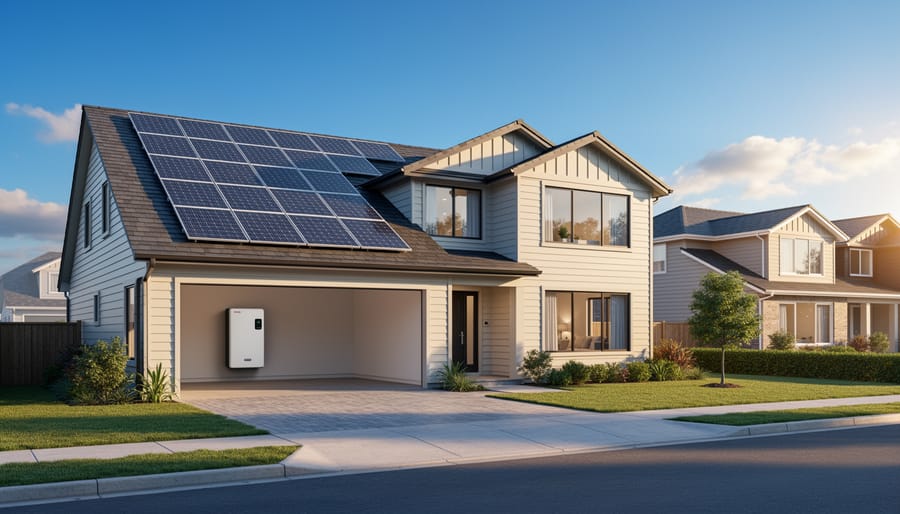
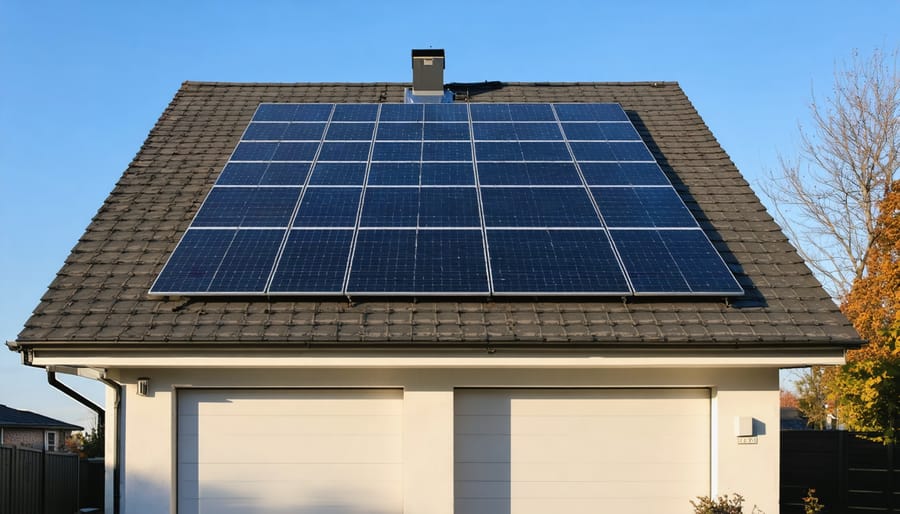
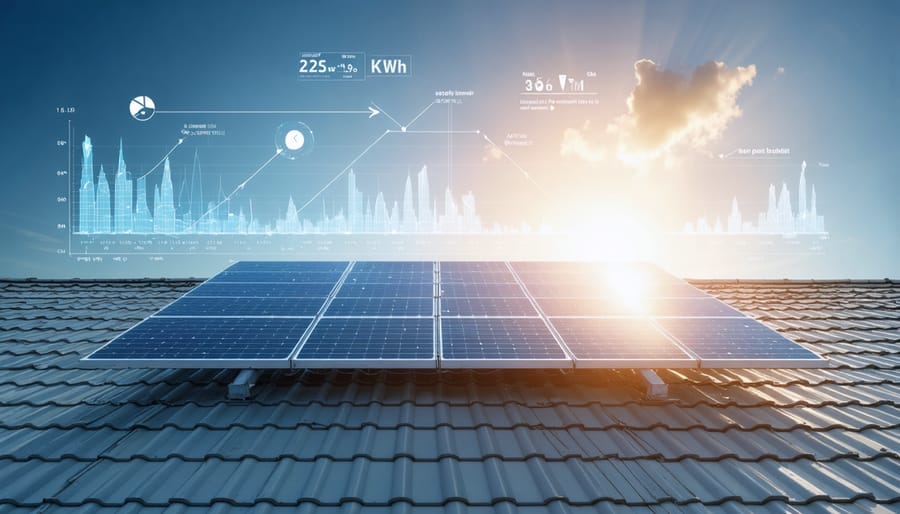
Capture sunlight with photovoltaic panels that convert solar radiation into direct current electricity through semiconductor technology. Position your panels at the optimal angle for your latitude—typically between 30 and 45 degrees in most locations—to maximize energy absorption throughout the day. Store excess electricity in deep-cycle lithium or lead-acid batteries, which act as your energy reservoir…
Capture sunlight with photovoltaic panels that convert solar radiation into direct current electricity through semiconductor technology. Position your panels at the optimal angle for your latitude—typically between 30 and 45 degrees in most locations—to maximize energy absorption throughout the day. Store excess electricity in deep-cycle lithium or lead-acid batteries, which act as your energy reservoir…
Capture sunlight with photovoltaic panels that convert solar radiation into direct current electricity through semiconductor technology. Position your panels at the optimal angle for your latitude—typically between 30 and 45 degrees in most locations—to maximize energy absorption throughout the day. Store excess electricity in deep-cycle lithium or lead-acid batteries, which act as your energy reservoir…