
Uncategorized
-
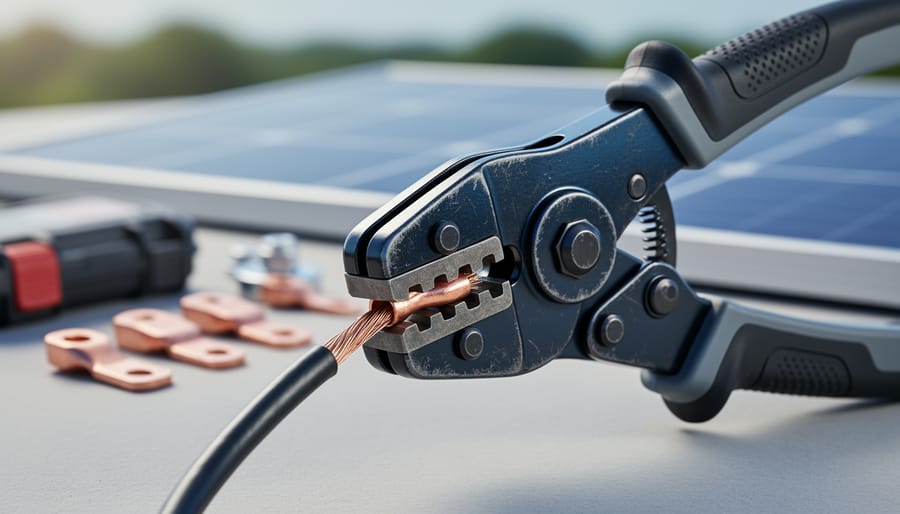
How to Use an 8 Wire Crimper for Solar Panel and Battery Connections
Crimping 8-gauge wire correctly takes about 2 minutes per connection once you’ve got the hang of it, but those two minutes make the difference between a solar installation that lasts 25 years and one that fails in the first storm. An 8-gauge wire crimper is a heavy-duty hand tool designed to cold-forge lugs and terminals…
-
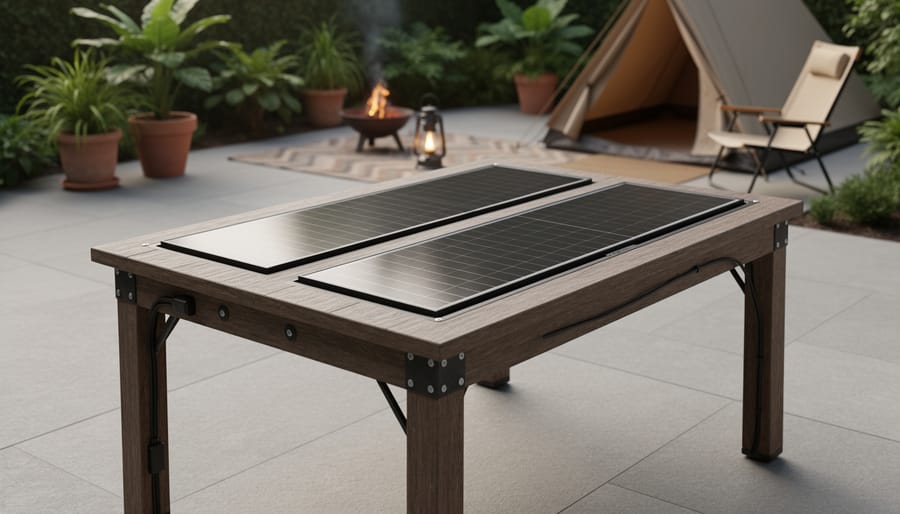
How to Build a Solar Powered Outdoor Table for Your Camping Setup
Building a solar powered outdoor table takes about 8 to 12 hours and requires basic woodworking skills plus some familiarity with electrical connections. You’ll mount solar panels directly onto a custom-built or modified outdoor table, wire them to a charge controller and battery system housed underneath, and add USB ports or AC outlets for charging…
-
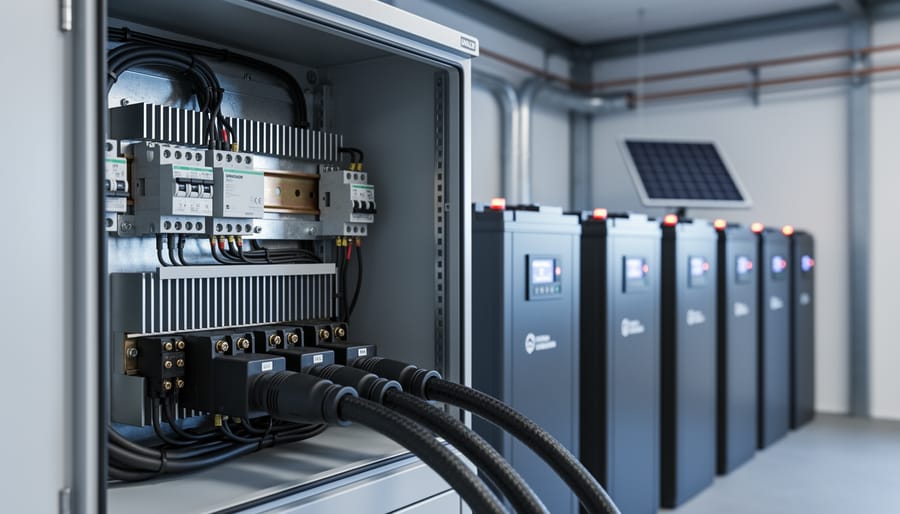
How to Wire and Configure a Battery Inverter 3 Phase System for Off-Grid Solar
Charging a battery bank with a 3-phase inverter requires connecting your inverter’s AC output to a compatible battery charger or hybrid inverter system that can convert the 3-phase power back to DC for storage. Most DIY solar setups achieve this by using a hybrid inverter that handles both solar input and battery charging simultaneously, or…
-
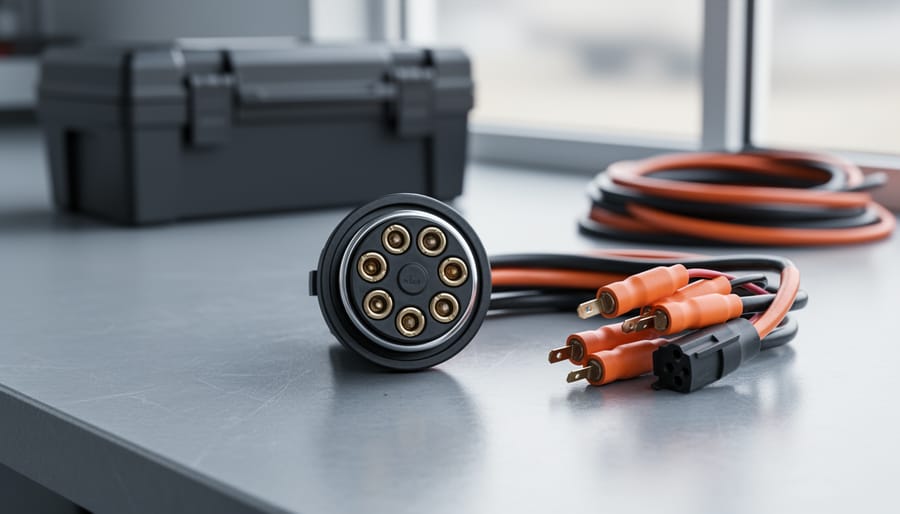
How to Wire a 7-Way RV Plug: Step-by-Step Diagram and Setup Guide
Wiring a 7-pin RV plug correctly connects your tow vehicle to your trailer’s lights, brakes, and auxiliary power in about 45 minutes with basic hand tools and careful attention to the color-coded wire standard. The diagram follows a specific layout mandated by the RV Industry Association: each pin controls a distinct function, from left turn…
-
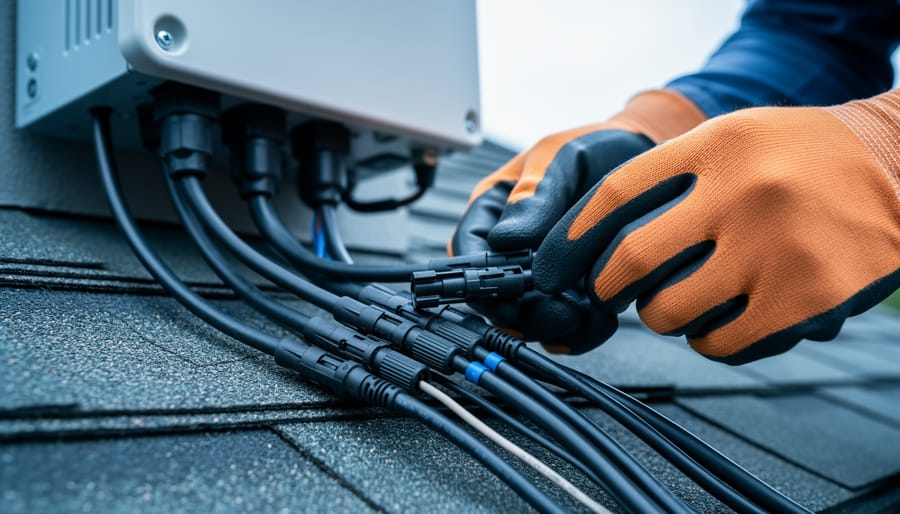
Why Is My Solar Inverter Showing Arc Fault E050? Causes and How to Fix It
Nine times out of ten, an E050 arc fault error on your solar inverter means a loose connection somewhere in your DC wiring. Before you panic or call an expensive technician, check every MC4 connector between your panels and inverter. A single connection that wasn’t snapped fully closed or has corroded from weather exposure will…
-
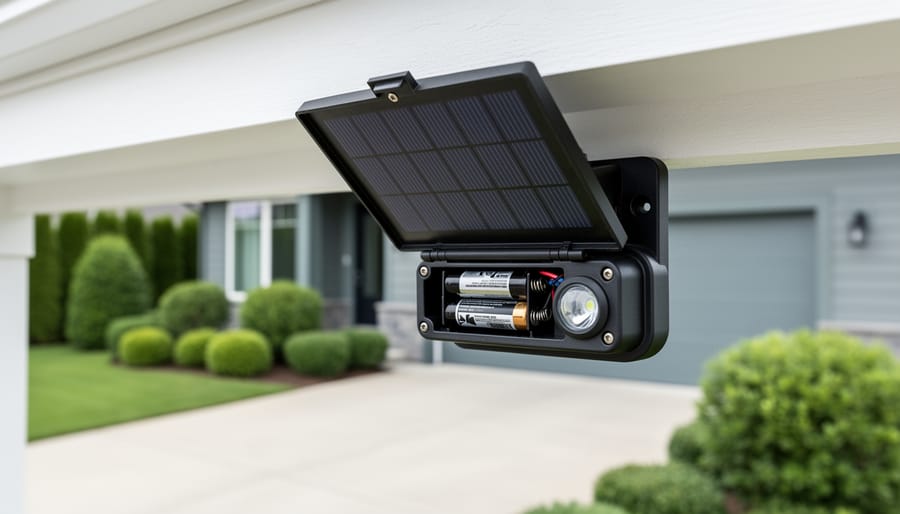
Why Is My Defiant Solar Motion Security Light Not Working? Causes and How to Fix It
Most Defiant solar motion lights fail because the battery no longer holds a charge or the solar panel has accumulated enough grime to choke off charging completely. Before you assume your light is dead and start shopping for a replacement, pull off the panel cover and check the battery terminals for corrosion. That 30-second inspection…
-
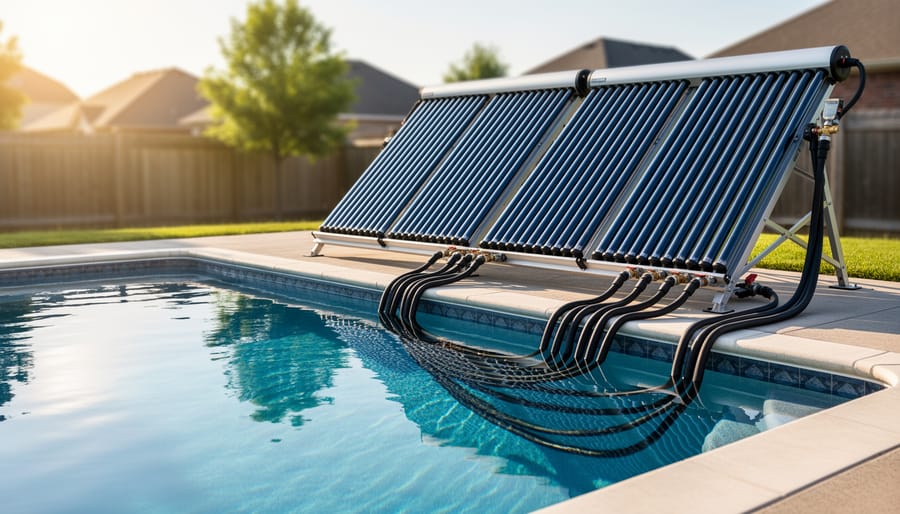
How to Install a Solar Heating System for Your Inground Pool (Step-by-Step)
You can heat your inground pool with solar panels mounted on your roof, garage, or ground rack, capturing free energy from the sun and extending your swim season by months while slashing heating costs to nearly zero. A properly sized solar heating system circulates pool water through black collector panels where sunlight warms it by…
-
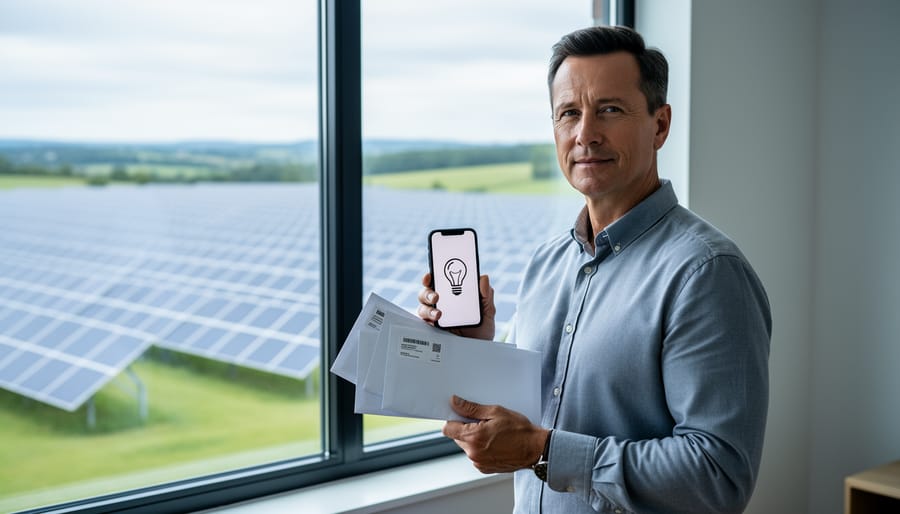
Is Community Solar a Pyramid Scheme? What You Need to Know Before Joining
Community solar is not a pyramid scheme. It’s a subscription-based model that lets you buy a share of a larger solar farm’s output and receive credits on your electricity bill, without installing panels on your roof. I get why the question comes up, though. When my neighbor Charles first told me about a community solar…
-
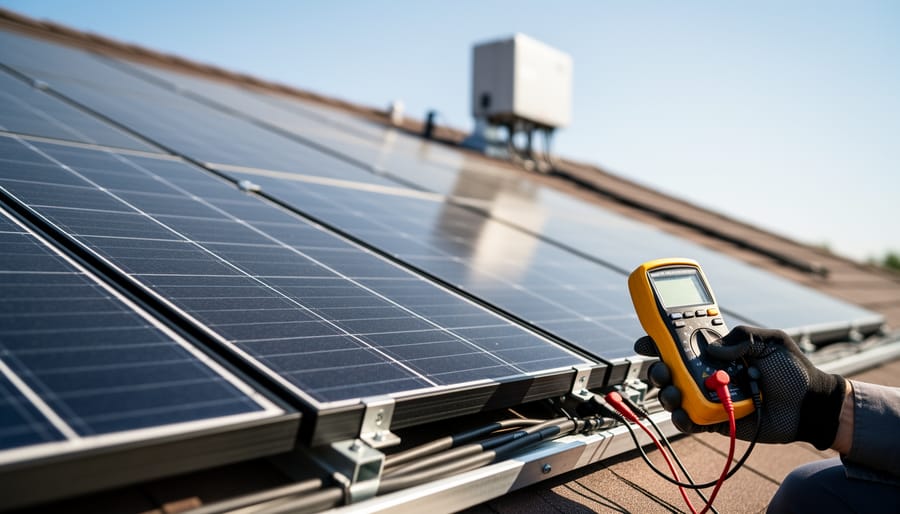
How to Run Functional Performance Testing on Your DIY Solar System
Functional performance testing measures whether your DIY solar system delivers the power output it’s designed to produce. You’ll check voltage, current, and total wattage under real-world conditions, then compare those numbers to your system’s nameplate ratings to calculate a Performance Ratio, the gold standard metric that tells you if everything’s working properly. Most DIYers can…
-
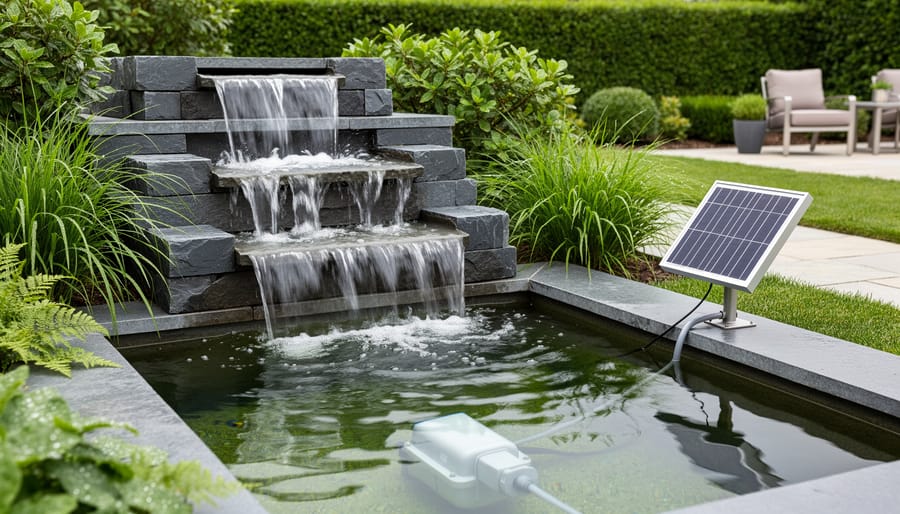
Why Your Garden Needs a Large Solar Water Feature (And How to Pick the Right One)
Yes, you can power large water features with solar energy, but success depends on matching your pump’s wattage requirements to an adequately sized solar panel array and battery system. Most substantial pond fountains and waterfalls need pumps ranging from 50 to 300 watts, which typically requires a 100-400 watt solar setup with battery backup to…
-
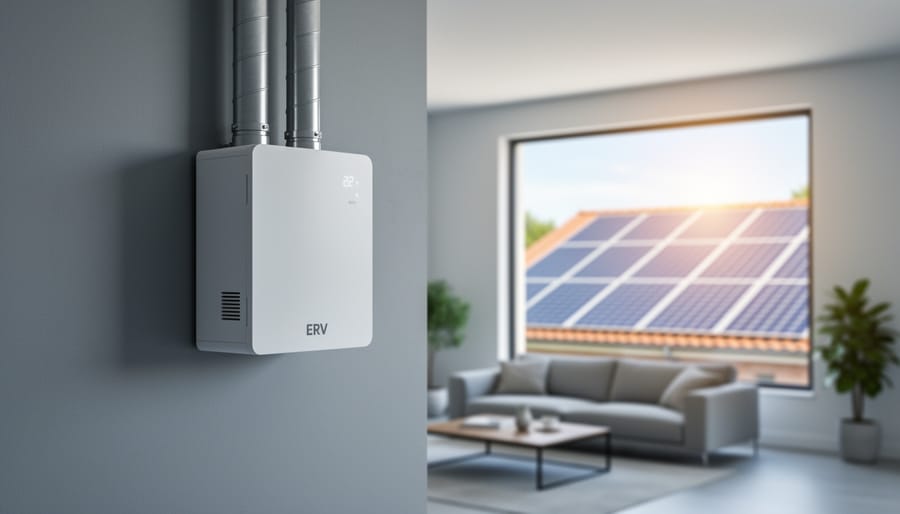
Residential ERV Systems: How They Work with Solar Ventilation to Freshen Your Home
A residential ERV (Energy Recovery Ventilator) exchanges stale indoor air with fresh outdoor air while recovering up to 80% of the heating or cooling energy that would otherwise be lost, and when paired with solar power, it delivers year-round ventilation with virtually no grid electricity cost. Unlike a simple exhaust fan or open window, an…
-
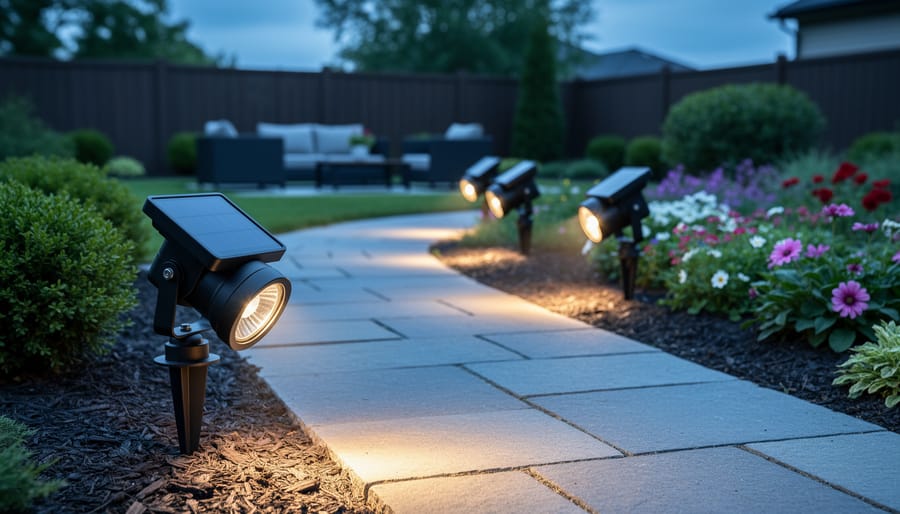
6 Best Solar Spot Lights of 2026, Tested and Reviewed
After testing dozens of solar spotlights in real-world conditions throughout 2026, the AloftSun Solar Motion Sensor Outdoor Lights emerged as the top overall choice for most homeowners, thanks to its reliable performance and versatility across different landscape lighting scenarios. But picking the right solar spotlight depends entirely on what you’re trying to illuminate: flagpoles need…
-
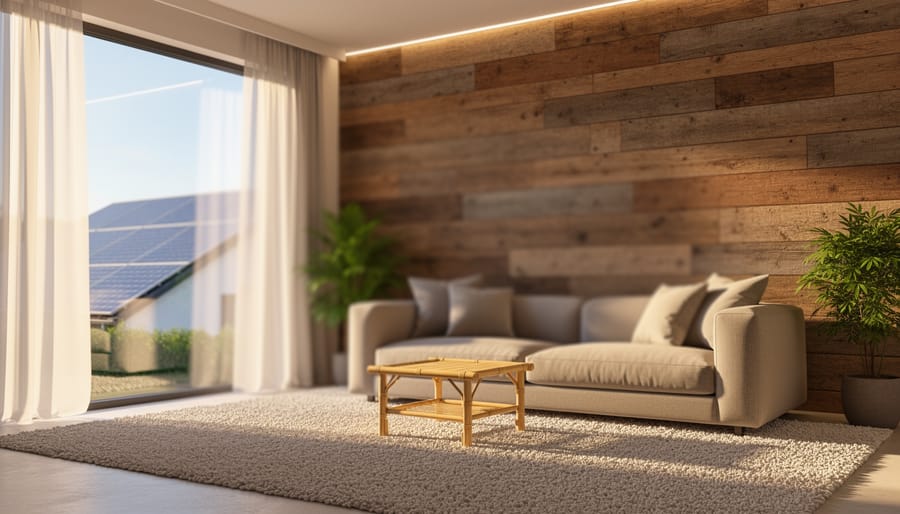
What Is Sustainable Interior Design (and How Does It Work)?
Sustainable interior design is the practice of creating beautiful, functional living spaces using materials, methods, and systems that minimize environmental impact while maximizing energy efficiency and occupant health. It goes beyond choosing a bamboo coffee table or swapping out light bulbs. At its core, sustainable design rethinks how rooms are built, furnished, powered, and maintained…
-
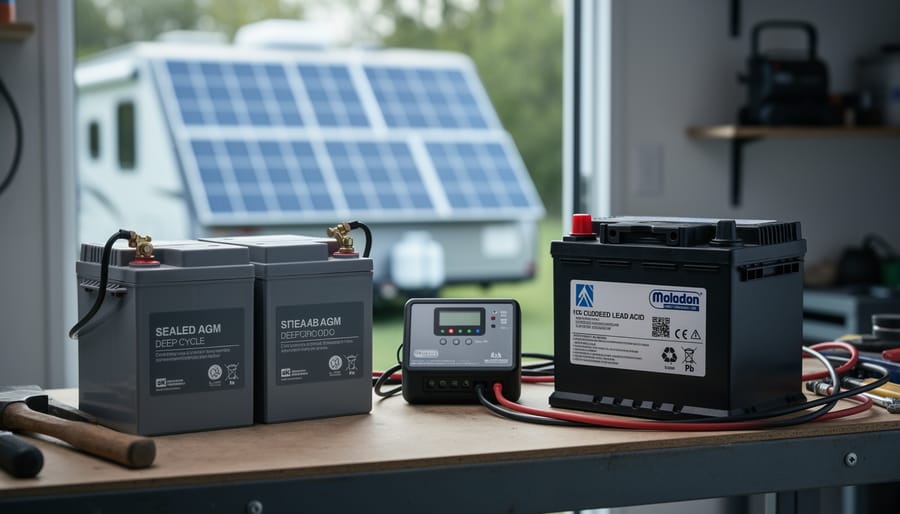
AGM vs. Lead Acid Batteries: Which Is Better for Your Solar Setup?
AGM batteries outperform traditional flooded lead acid batteries in nearly every practical measure that matters for solar installations, but whether that performance justifies their 50-100% higher upfront cost depends entirely on how hands-off you want your system to be and how often you’ll cycle the battery deeply. After running both types through real-world solar setups…
-
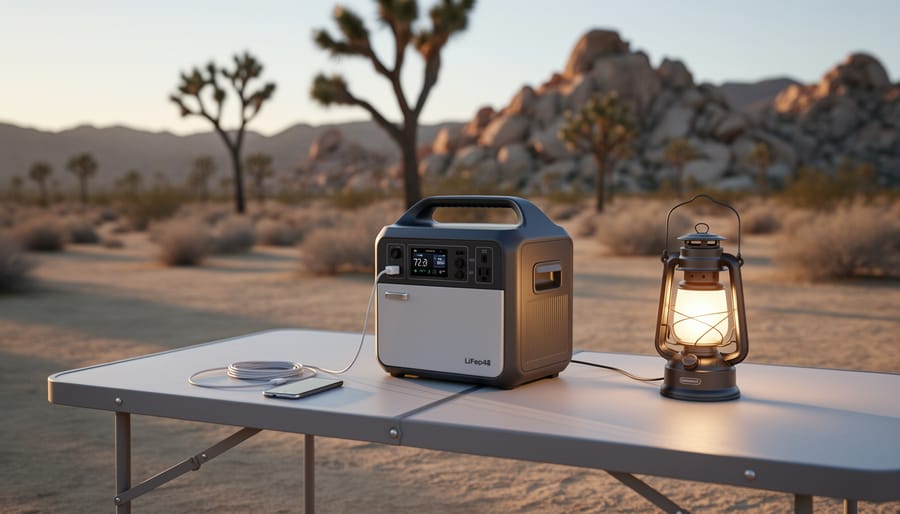
Your Portable Power Station Won’t Last as Long as You Think (Here’s Why)
A portable power station will typically run your camping devices for anywhere from a few hours to several days on a single charge, depending on what you’re powering and the station’s capacity. As for lifespan, most quality units last between 3 to 10 years before the battery degrades enough to need replacement. The distinction matters…
-
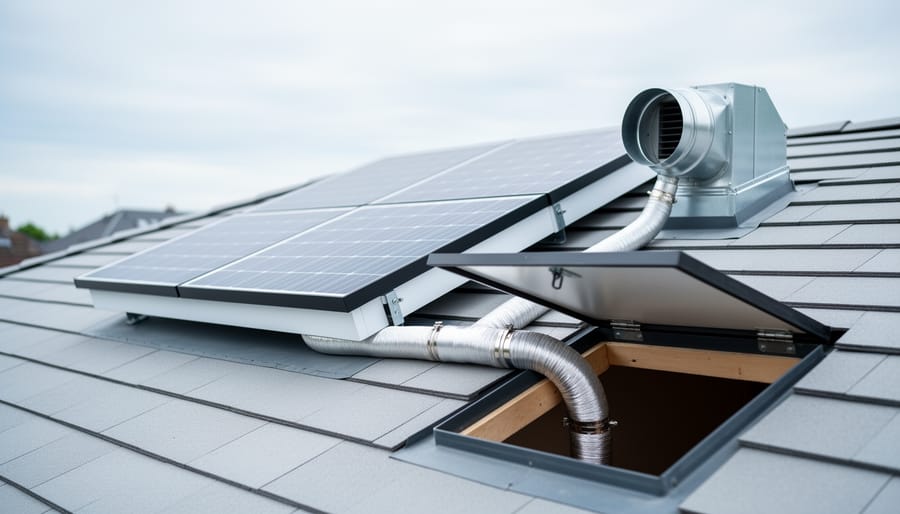
How to Install a Whole House Ventilation System Using Solar Power
Installing a whole house ventilation system powered by solar takes about 6 to 8 hours for a moderately skilled DIYer and delivers continuous fresh air circulation without touching your electric bill. The core method involves mounting a solar panel on your roof to power an intake or exhaust fan, routing ductwork through your attic or…
-
How to Connect SolarEdge to Ethernet for Seamless System Monitoring
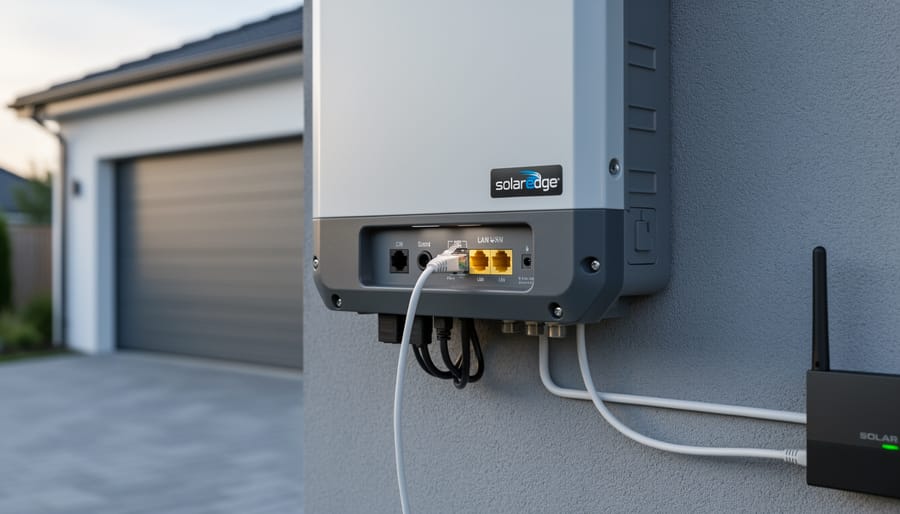
Connecting your SolarEdge inverter to your home network via Ethernet cable takes about 15 minutes and gives you real-time access to your system’s performance data from any device with internet access. You’ll plug a standard Ethernet cable into the RJ45 port on your inverter (usually labeled “LAN” or “Ethernet”), run it to your router, and…
-
How to Make DIY Solar Tubes for Free Natural Lighting in Your Home
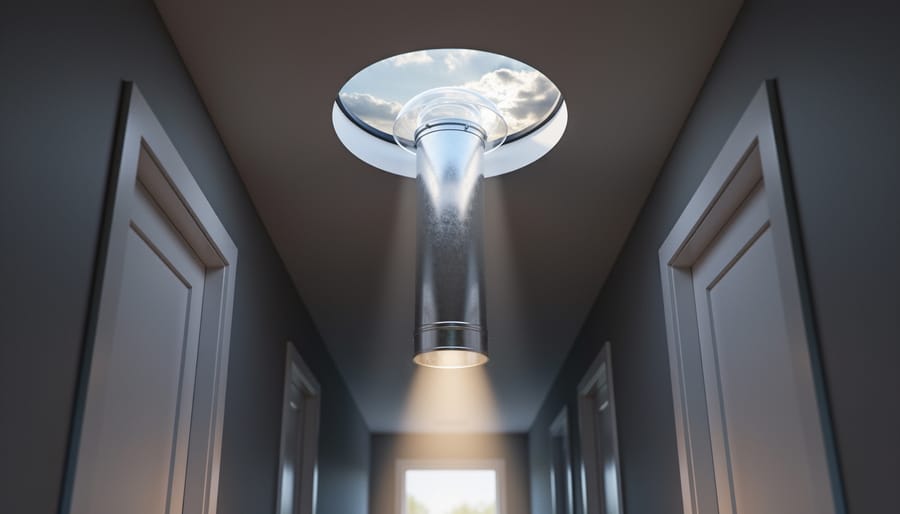
You can build a DIY solar tube for $50 to $150 and start harvesting natural daylight in a weekend. This simple project combines a reflective tube, clear dome, and diffuser to channel sunlight from your roof into dark interior spaces, delivering illumination equivalent to multiple bulbs without electrical costs or ongoing energy consumption. I remember…
-
What Should a Pool Be Heated To? The Complete Temperature Guide for Comfort and Efficiency
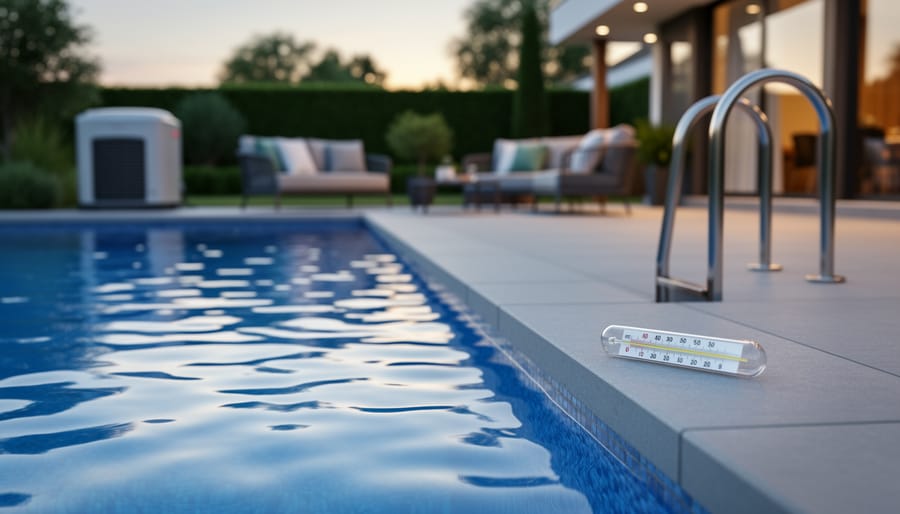
Most residential swimming pools should be heated to 78-82°F for comfortable recreational use, though your ideal temperature depends on how you plan to use the pool, who’s swimming, and whether you want to keep energy costs in check. If you’re heating with solar, you’ll find this sweet spot is easy to maintain in most climates…
-
5 Sources of Electrical Energy Every Solar DIYer Should Know for Complete Off-Grid Power
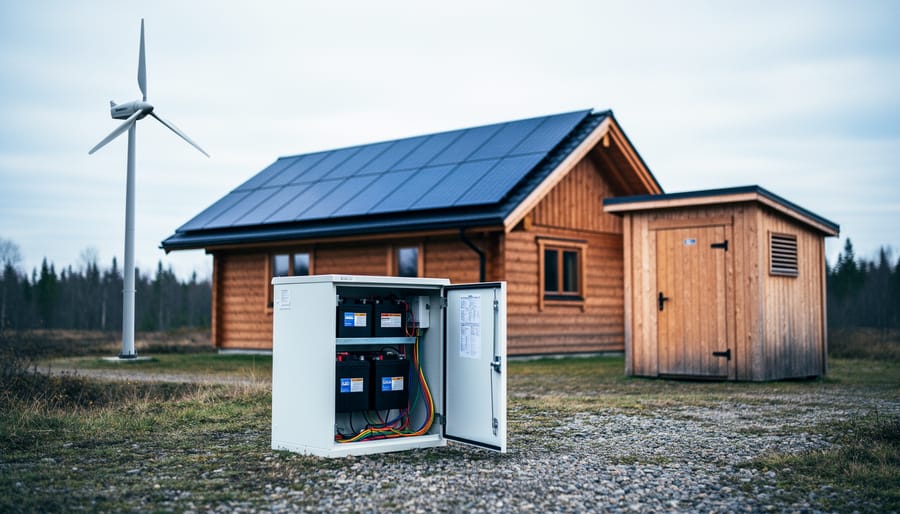
Electricity powers our homes from five main sources: solar panels, wind turbines, hydroelectric generators, fossil fuel generators, and battery storage systems. If you’re building a reliable off-grid setup or backing up your solar array, understanding how these sources work together transforms a single-point-of-failure system into resilient, year-round power. I learned this the hard way during…
-
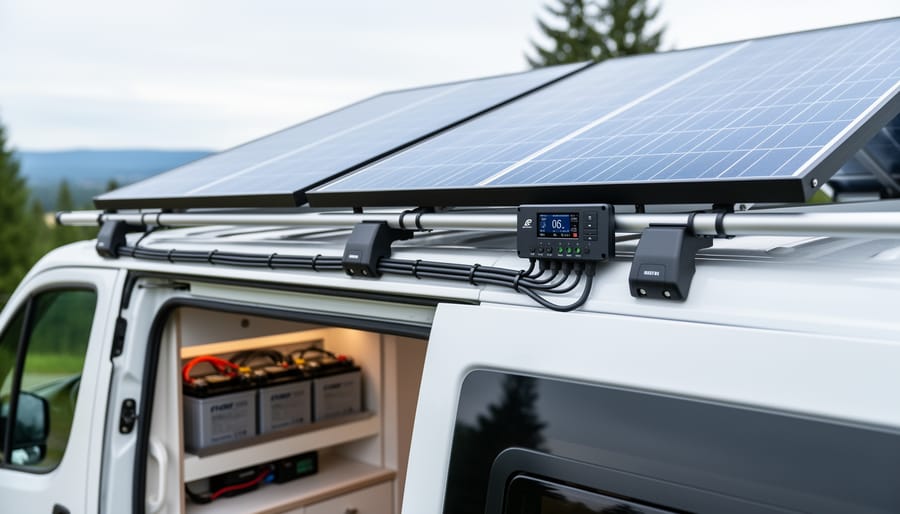
Why Two Solar Panels Beat One Every Time (Parallel Connection Explained)
Connect your panels to a charge controller or battery system by running positive terminals to positive and negative to negative. This parallel configuration doubles your available current (amperage) while keeping voltage the same, which is exactly what you need when your system demands more power than a single panel can deliver. I learned this the…